Children taught how to make eco-bricks
In celebration of Global Recycling Day on Friday, March 18, children from ten primary schools in the Kruger to Canyon Biosphere region were taught how to produce their own eco-bricks.

The schools were from Ga-Sekororo in the Maruleng municipal area. The aim of the eco-brick campaign is to minimise the growth of plastic pollution and raise plastic pollution awareness, repurpose non-biodegradable waste, support sustainable waste management practices and encourage community participation.
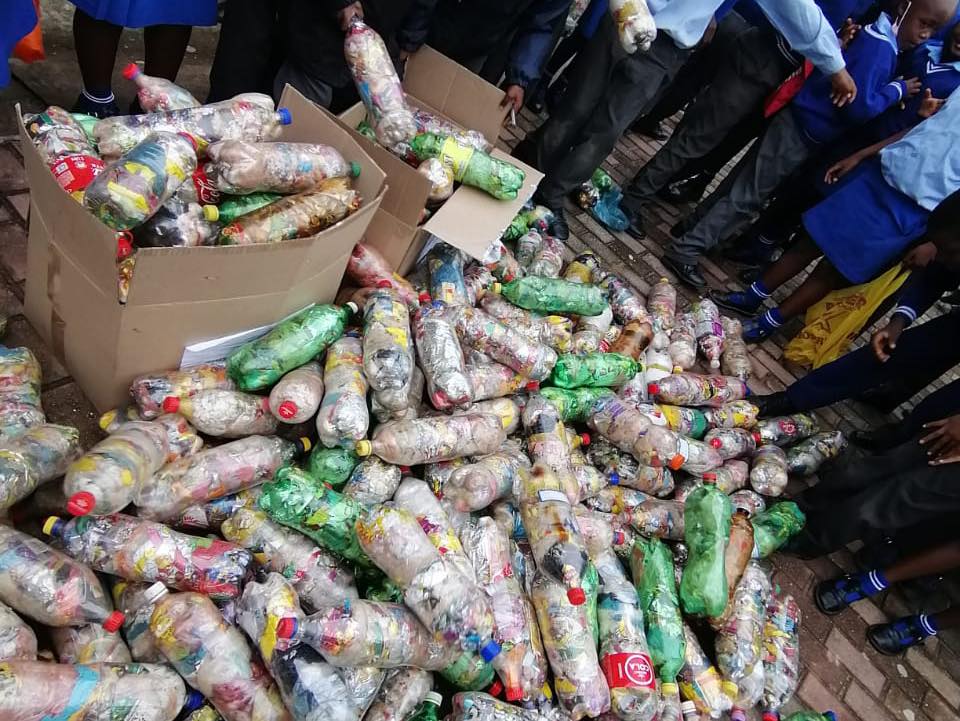
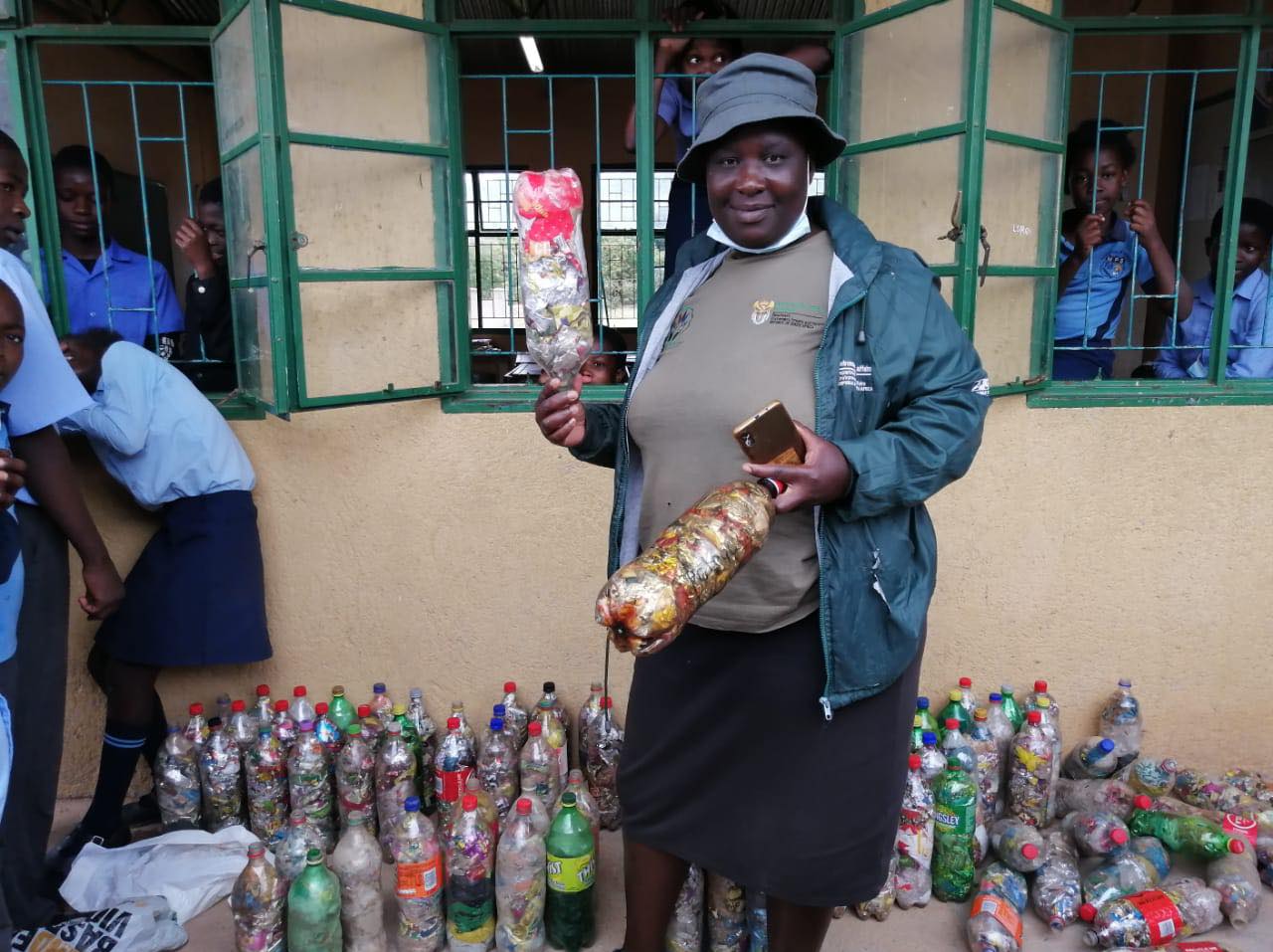
“The campaign was presented by our administrator Lethabo Rasakanya and the environmental control monitoring people (EM’s) through sustainable education for development with local schools. “Learners were thrilled to transform ordinary plastic bottles into eco-bricks (made of accessible bottles filled with clean mixed inorganic waste).
Also read: How to make recycling at home easier
“Within a week, a total number of 1170 eco-bricks which weighed approximately 1300kg was collected from schools. “A lot of plastic waste that would have potentially ended up in our precious water sources or choking livestock was removed from the environment. “The eco-bricks were donated to Vusi Tshabalala, a project manager for the K2C EM programme who is building an eco-friendly church from eco-bricks.
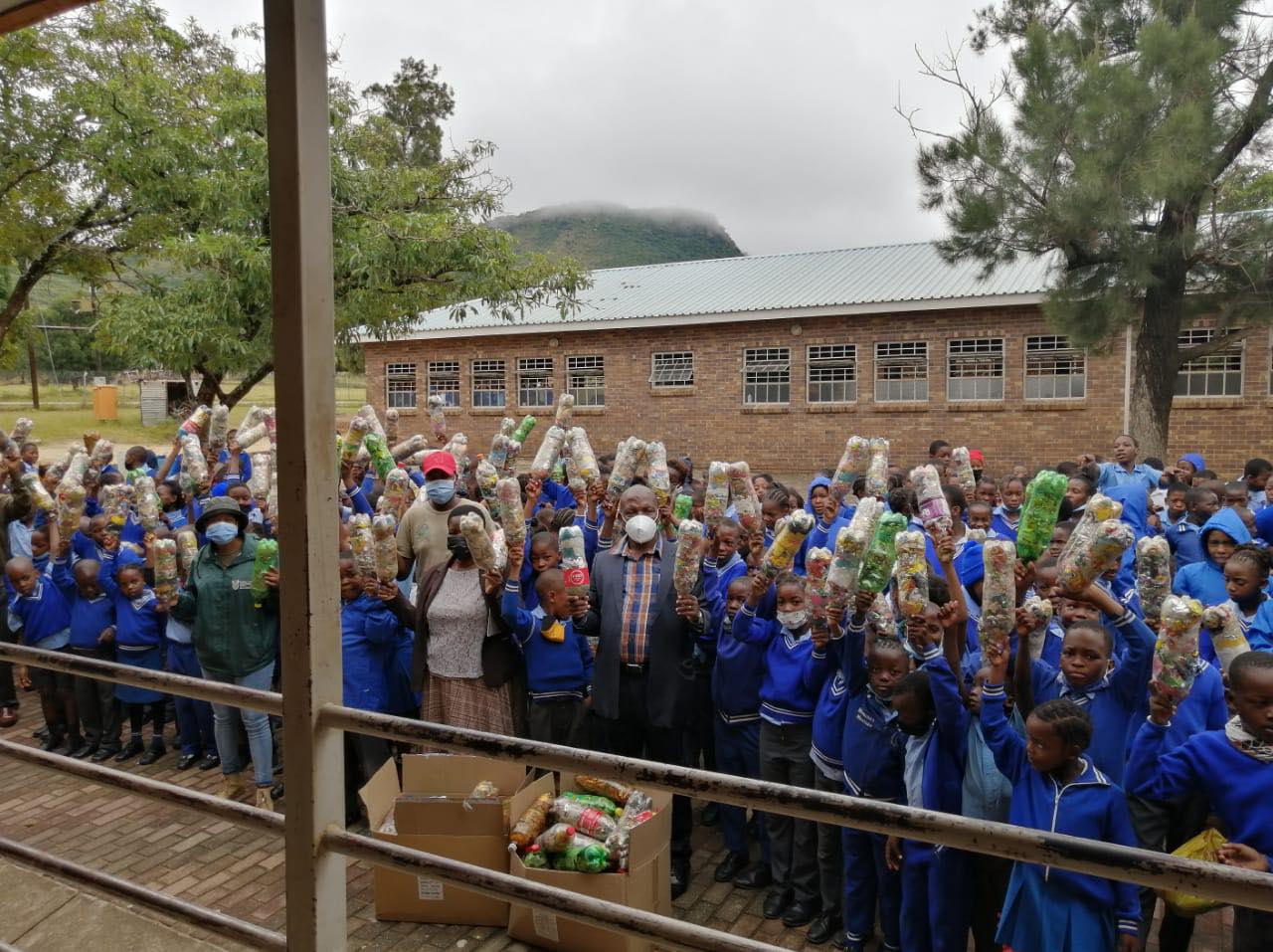
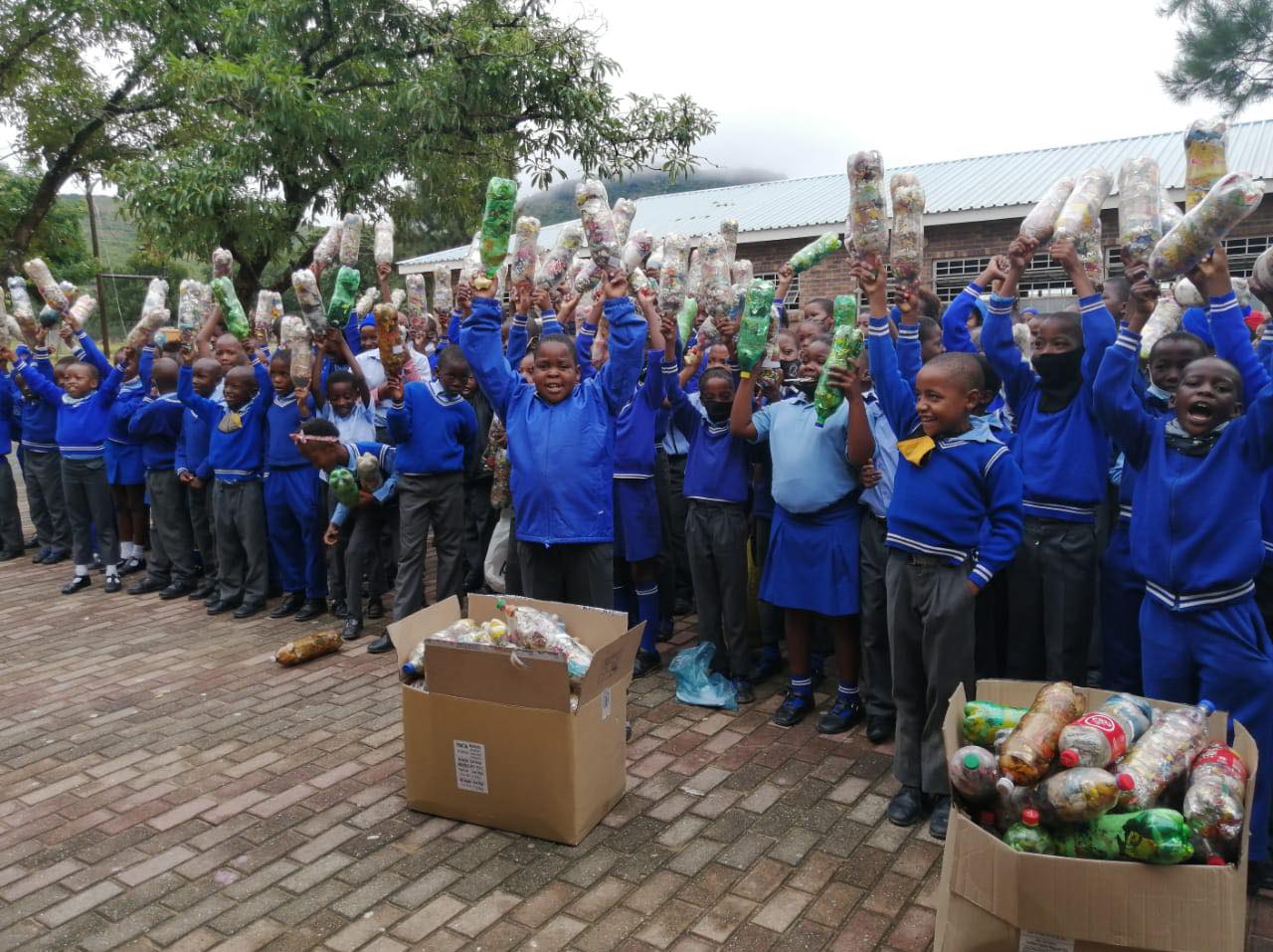
A big thank you to our EMs and learners from Lefoke, Matshangwane, Lekane, Mamokaile, Kubjamane, Masekane, Lepelle, Mametja, Matsikinyane, Diphuti, and Maatla primary schools for celebrating Global Recycling Day with us and succeeding in turning trash into treasure,” said MarieTinka Uys, project manager at Kruger to Canyons Biosphere.