Rhino Pippa gives birth to baby girl Zola
"In one of the most trying times in living memory, nature has shown its resilience."
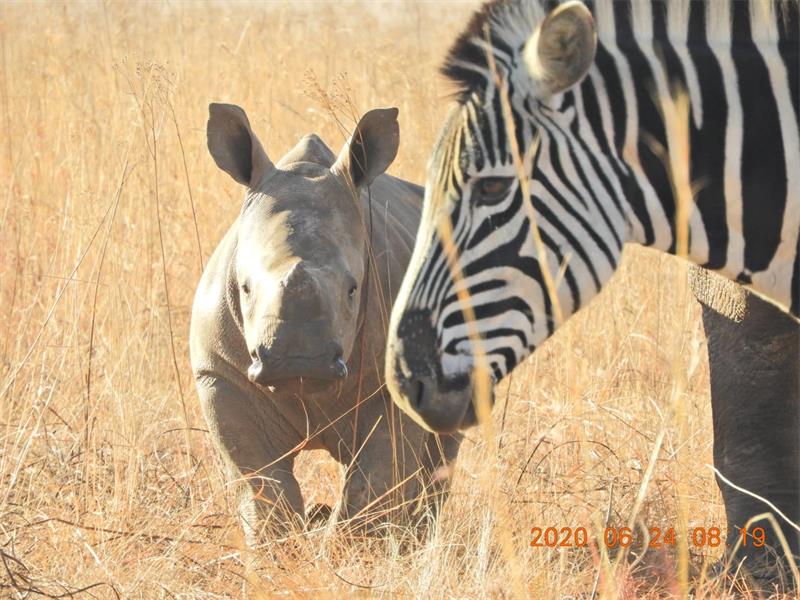
Rietvlei nature reserve visitors were delighted by the presence of a two-month-old white rhino calf, Zola, when the reserve recently opened.
In January, Rekord reported that the calf’s mother, Pippa was pregnant, but it was however still too early to determine the baby rhino’s gender.
The new-born rhino was named according to the Nato phonetic alphabet: if Pippa gave birth to a male rhino bull, his name would have been Zulu.
ALSO READ: Rietvlei officials defend lions’ move to Pta zoo
The reserve reopened its gates on Monday, 15 June after it was closed for more than two months due to Covid-19 restrictions. Since reopening, nature lovers have been posting photos of Pippa and her calf on social media. Friends of Rietvlei chairperson James Drowley said the calf and her mother are healthy.
“Zola is adjusting very well to her environment.”
Drowley said the Friends of Rietvlei offered support and assistance wherever needed.
“In one of the most trying times in living memory, nature has shown its resilience,” said local ward councillor Reyaan Uys.
The birth of the rhino calf at the reserve is wonderful news for local conservation and a welcome respite from the lockdown depression in which the country finds itself.
“When it comes to Rietvlei’s rhino population, we’ve become so used to news of loss and tragedy. May this joyful event also remind us of our own resilience as a community.”
Tersia Jooste, of Rhino Connect, said rhinos will usually keep the calf apart for the first few days before returning to the herd. A new calf is always readily accepted as white rhinos are generally social animals and will easily graze in groups.
She added that poaching is still a harsh reality, and rhinos are still poached daily in South Africa for their horns.
Rhinos’ horns are shortened about every 18 months as it grows back.
“A calf’s horn will usually start to take shape from the age of three months, but most wildlife veterinarians recommend shortening the horn when they are two to three years old,” said Jooste.
ALSO READ: NEWSFLASH: Four lions killed at Rietvlei nature reserve
“With the birth of Zola in Rietvlei, it is so important for the community to ‘take ownership’ of her. If everyone starts to get involved and watch her grow up, there will be more movement in the park. To secure the safety of rhinos, education and involvement is a must.”
“Rhinos are still an endangered species, both white and black, although the black rhinos are more highly endangered,” said Jooste.
Rhino Connect was established in 2016. It is a registered non-profit company pro-actively involved with conservation programmes involving rhino populations on their conservancies and farms, protection zones and orphanages.


Do you have more information about the story? Please send us an email to editorial@rekord.co.za or phone us on 083 625 4114.
For free breaking and community news, visit Rekord’s websites:
For more news and interesting articles, like Rekord on Facebook, follow us on Twitter or Instagram