Kuwait 6: Pretoria vet plays huge role in lion rescue operations
A vet from the Moot was six lions’ saving grace during a recent international mission to rescue these big cats.
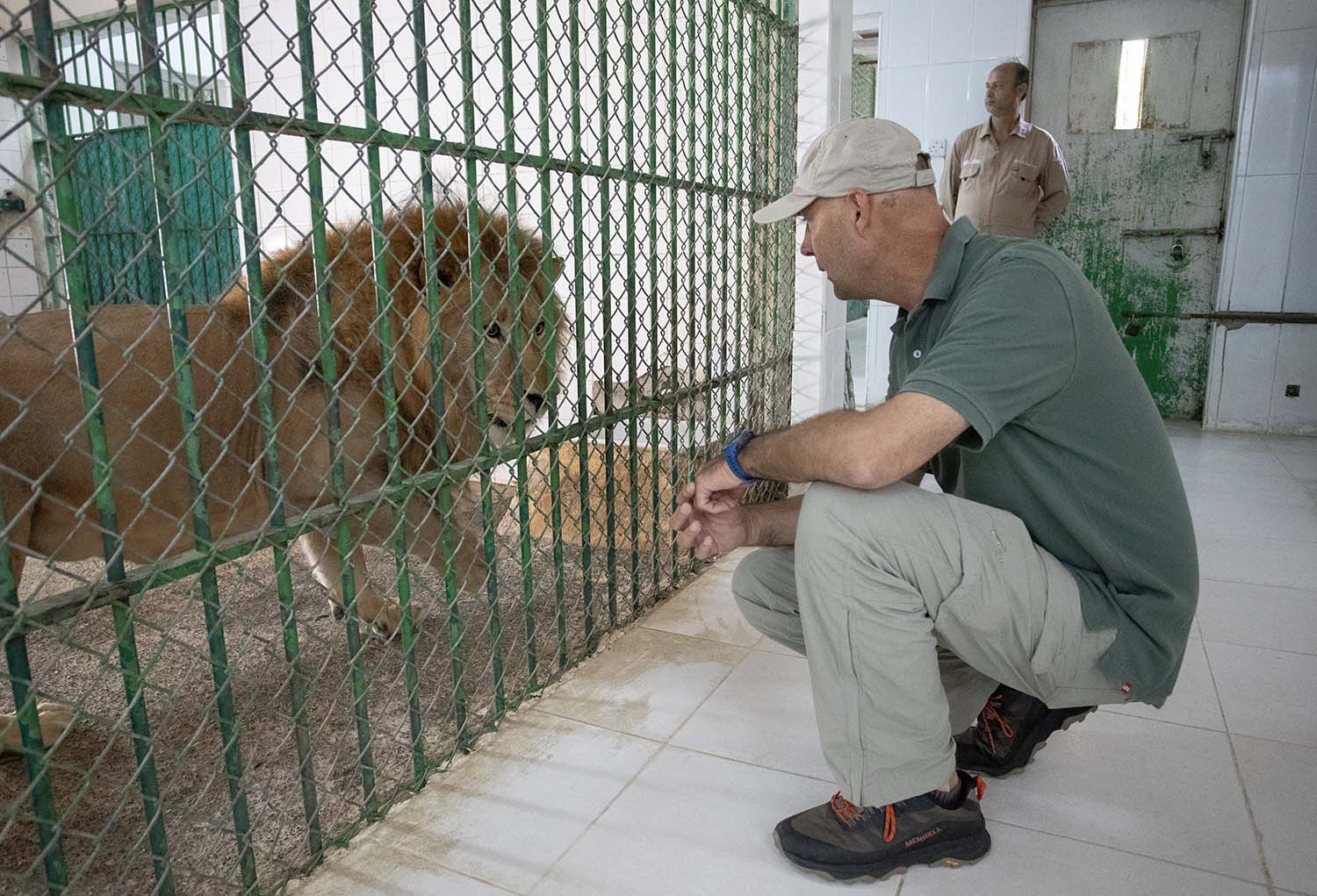
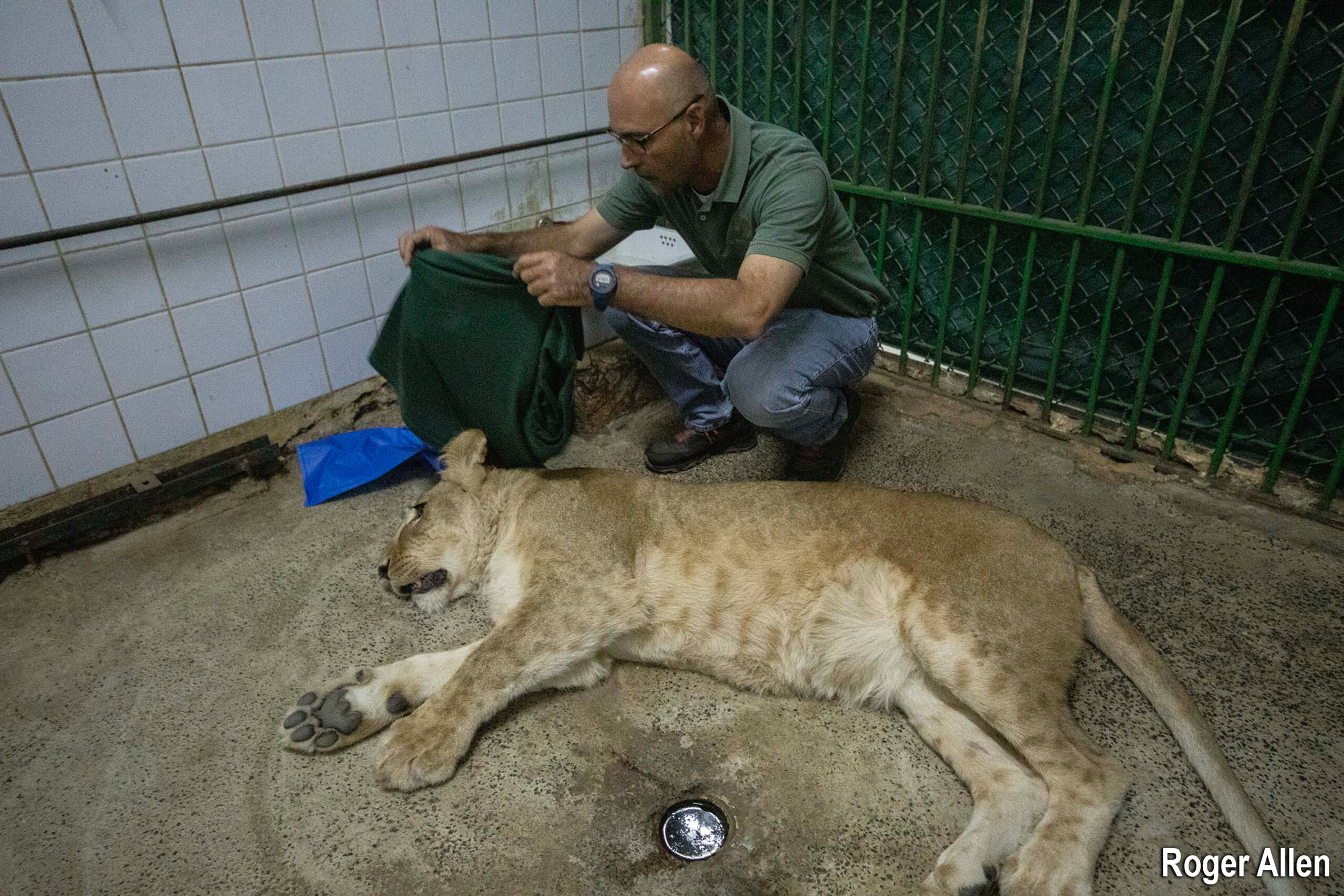
Popular Moot vet, Dr Peter Caldwell, visited the Free State Sanctuary of Animal Defenders International on June 6 to assess the six lions he helped to bring to South Africa from Kuwait.
Caldwell is internationally well known for his work with the rescue of big cats like lions and tigers.
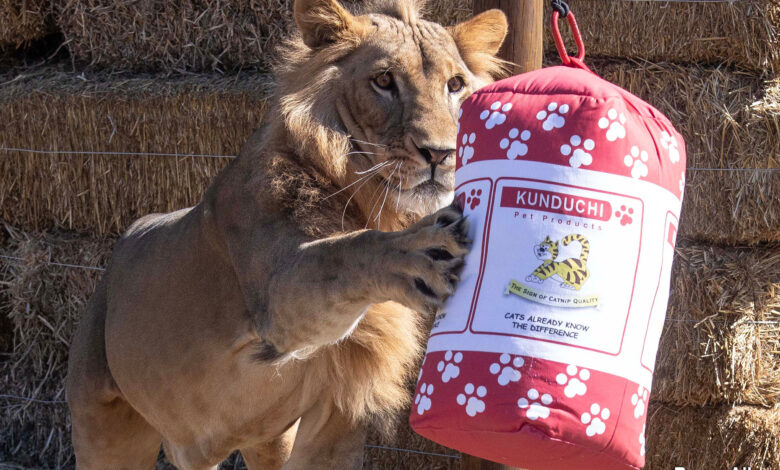
“These lions are so amazing. They handled the stressful trip very smoothly. They are doing so well, playing in the sun and tearing their catnip playbags to tethers,” he said.
“They are still a bit chubby but with the necessary supplements and the right food they will soon be the magnificent animals they can be.”
Caldwell said this is a far cry from the six depressed lions he and the team from the animal rescue organisation found at the Kuwait Zoo in May.
“The facilities were not poor but at the zoo, these six lions were pacing their cages, they were downcast and obviously did not know the luxury of putting their feet on grass and have been living on cement,” he said.
The six young lions, Muheeb, Saham, Shujaa, Saif, Dhubiya and Aziza, had been abandoned after they were illegally bought as so-called trophy pets in Kuwait.
“Saif and Dhubiya were cubs when they were abandoned to die in the desert. Found starving and dehydrated, they were nursed back to health at Kuwait Zoo. Volunteers and staff at the zoo have looked after the lions until a home could be found,” Caldwell explained.
“Some of the other rescued lions had earlier been released by their erstwhile owners to run free in the city streets, or left tied to lampposts, while others were seized by Kuwait officials fighting the illegal wildlife trade,” he said.
The zoo was for reasons unknown not reopened after the Covid-19 epidemic.
Caldwell understates his role in the rescue operation. Members of the rescue team say if it was not for his professional intervention and expertise, the animals might not have reached South Africa in good health.
The lions were ready to be loaded into their travel crates at 02:00 on Sunday, May 19. At that stage, they were sedated and loaded in crates, but had to be brought around again because of a time lapse in waiting for the go-ahead from the airport. They were checked again by Caldwell and were eventually driven to the airport where their Qatar Airways Cargo aircraft took off at 13:00.
The lions in the meantime had to be checked on, fed snacks and given water.
“Once we were at the airport things went so smoothly,” said Caldwell, who has high praise for the flight staff.
“The pilots came round to check on the lions, which we appreciated,” he said.
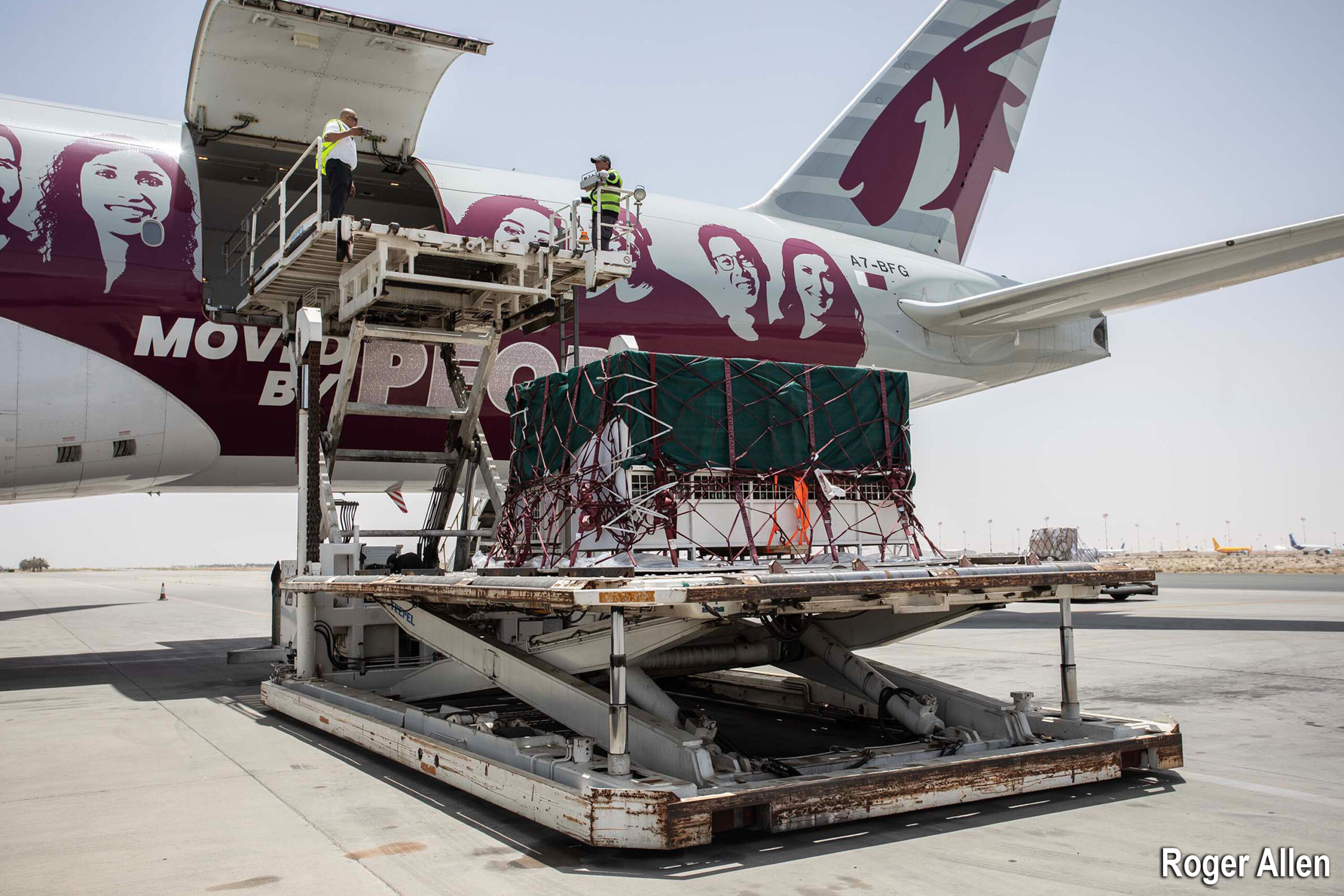
Qatar Airways donated space on a cargo flight as part of their WeQare scheme.
It is not the first time the serious and softspoken vet left his Old Chapel Veterinary Clinic in the quiet suburban Hertzog Street to save big cats from illegal wildlife traffickers and help these animals find a home.
He is widely recognised for rescuing animals in countries such as Iran, as well as for his research on cheetahs and regularly working with sick and injured rhinos and elephants in the wild.
Caldwell said there were a few challenges in getting the lions onto the flight.
“The local vets and other officials were very particular and wanted to be independent in the way they wanted to handle the process of sedation. When I saw the dosages were not right, I had to intervene as some of the lions were having seizures,” explained Caldwell.
Some other challenges were the language differences in Kuwait and the glitches with paperwork on the South African side when the lions arrived.
At this stage, the team had been awake for more than 72 hours to complete the relocation project.
“I have so much respect for Animal Defenders’ International’s Tim Phillips and Jan Creamer who just powered forward,” said Caldwell.
Once on the road from OR Tambo, the lions were on their way to get their feet onto Highveld grass at the organisation’s sanctuary near Winburg in the Free State.
The lions stepped onto African soil for the first time in their lives after daybreak on May 20.
They were initially let into their night houses and were released into quarantine enclosures where they have been enjoying catnip punchbags and giant balls.
After two weeks in quarantine, they will be released into large individual natural enclosures of up to four acres.
The ADI Wildlife Sanctuary is home to more than 30 lions and tigers rescued from circuses and the illegal wildlife trade.
“We always need to work in the best interest of the animal. We need to do what will benefit them in the long term,” said Caldwell.
He is outspoken about the illegal wildlife trade in big cats.
“This was an important rescue and puts the spotlight on a cruel, global trade being fuelled by social media.
“Cubs are taken from their mothers when they look cute, forcing them into a life of loneliness and dependency on their captors for food and affection.
“Once sold, they are destined for an unnatural life, caged or chained. This must be stopped.”
Click here to see more about the relocation trip of the Kuwait 6.
Do you have more information about the story?
Please send us an email to bennittb@rekord.co.za or phone us on 083 625 4114.
For free breaking and community news, visit Rekord’s websites: Rekord East
For more news and interesting articles, like Rekord on Facebook, follow us on Twitter or Instagram