Plastic View relocation plans on track – metro
Residents question relocation promises as brick house construction in the Plastic View informal settlement is popping up. The metro says the structures are fire safety measures while long-term housing plans for residents continue.
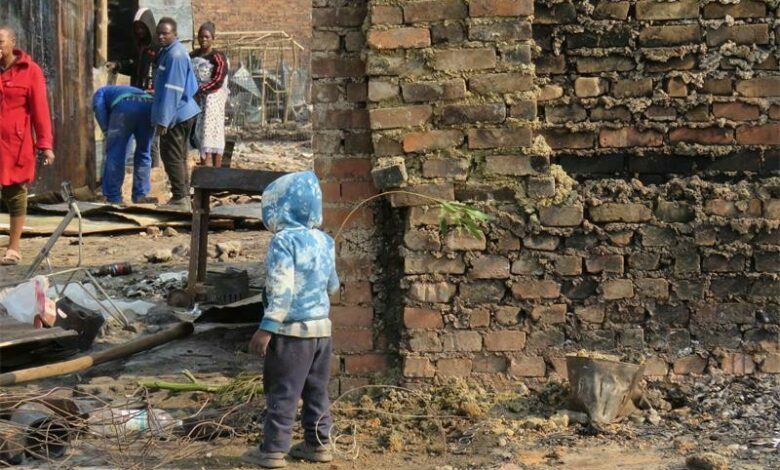
The Tshwane metro has assured residents in the east of Pretoria that plans to relocate households from the Plastic View informal settlement remain on track, despite concerns about the increasing construction of brick and cement structures within the settlement.
Ratepayers in Moreleta Park, Garsfontein, Mooikloof, and surrounding areas have questioned the building of brick and cement structures in the Plastic View informal settlement.
They say the erection of these brick structures suggests that the settlement, which has existed for more than a decade, may be becoming permanent.
Plastic View, located on Portion 645 of the farm Garsfontein 374-JR, currently consists of about 854 structures or households.
Residents claim that the erection of brick houses contradicts previous assurances from the metro that growth in the settlement would be managed while relocation and redevelopment plans were implemented.
A resident and founding director of the Pretoria East Community Caring Forum, Deidré van Helsdingen, said the pace of construction in the settlement had accelerated significantly.
“Houses are going up like crazy, which means people are now planning on making the settlement their forever home,” she said.
Van Helsdingen also raised concerns about noise pollution over weekends and questioned the lack of regular engagement with the city.
She said that more than six months have passed since the last COO community meeting, which was promised on a bi-weekly basis, and residents are seeking urgent clarification.
Another resident from Moreleta Park, Yolande Siemons, said the construction of cement and brick structures has raised serious concerns among residents about the long-term future of the settlement.
“We were told Plastic View was a temporary settlement a decade ago, while the city worked on relocation plans. But now we are seeing more cement and brick structures being built, which makes it feel like the settlement is becoming permanent,” she said.
She said she’s worried because permanent structures change the nature of the settlement completely.
“It raises questions about whether the relocation plans are still on track and what this means for infrastructure, safety and service delivery in the area.”
Residents have also accused the metro of failing to enforce municipal by-laws, particularly over weekends, and claim that illegal activities and unregulated construction continue without intervention.
However, the Tshwane metro has rejected claims that new permanent structures are being allowed to expand within the settlement.
Metro spokesperson Lindela Mashigo said the brick structures in the settlement were erected by existing beneficiaries as safety measures rather than new housing units.
“The brick houses are erected by the beneficiaries and are used as firewalls for safety purposes. These are not new additional structures but replacements of old zinc and plastic structures,” Mashigo said.
He added that the construction of brick structures is not permitted and that the matter has been escalated to the TMPD for enforcement under applicable municipal by-laws.
Mashigo said Plastic View has been the subject of legal and planning processes since 2008, when neighbouring communities applied for the eviction of the informal settlement’s residents.
“In November 2008, the High Court ordered the City of Tshwane to identify alternative land, develop a long-term housing solution and relocate the occupiers within one year.”
The metro said it complied with several aspects of the court order, but has not yet relocated the residents.
Mashigo said as part of its response, the municipality initiated plans to develop Pretorius Park Ext 40 into a formal mixed residential township intended to accommodate residents from Plastic View and Cemetery View.
“The proposed development will be located approximately 900m from the current informal settlements on land owned by the city,” said Mashigo.
According to Mashigo, the project is aimed at integrating lower-income communities into established urban areas in line with national spatial transformation policies, including the Spatial Planning and Land Use Management Act (SPLUMA).
The township establishment application for Pretorius Park Ext 40 was approved by the Municipal Planning Tribunal in August 2022.
He said significant preparatory work has already been completed, including feasibility studies, environmental and social impact assessments, and planning approvals.
“Since June 2024, a multidisciplinary team of engineers, architects and safety specialists has been working on detailed infrastructure designs and site development plans for the project.”
Mashigo added that bulk infrastructure such as water, sewer networks, internal roads, and stormwater systems is expected to be constructed through a 24-month contract once procurement processes are finalised.
“The Gauteng Department of Human Settlements has included the project in its 2026/27 Medium-Term Expenditure Framework, with plans to construct approximately 865 housing units.”
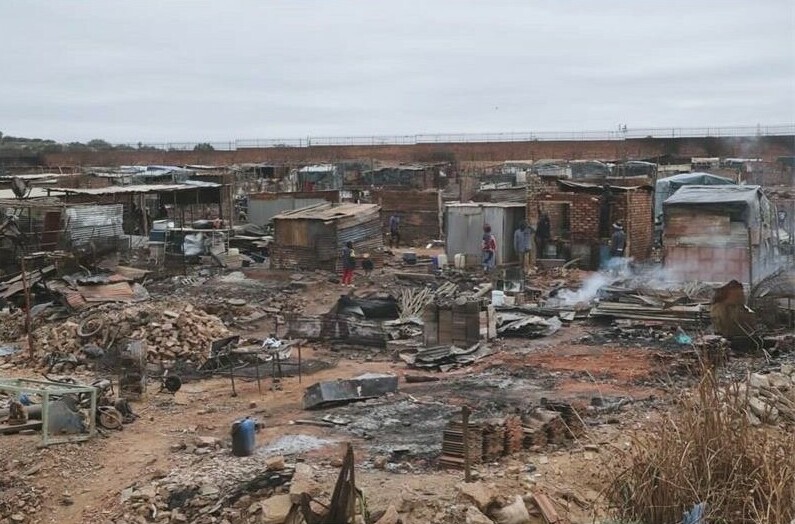
He said these units will include a mix of low-cost and rental housing options.
According to Mashigo, relocation of Plastic View residents and the allocation of houses is currently expected to take place during the 2029/30 financial year.
Mashigo said 854 households have already been counted in the settlement and that the subsidy application process will begin in the next financial year.
He added that only South African citizens would qualify for housing allocations, while non-South African residents would be addressed through processes involving the Department of Home Affairs.
“The city has also filed court papers requesting an eviction order as part of the broader process.”
Mashigo said delays in the relocation process have largely been caused by technical approvals related to infrastructure design, site development plans, and a water use licence application.
He said there is a service provider appointed for monitoring, prevention and demolition of any additional illegal structures erected.
“The contractor is responsible for identifying and demolishing any new illegal structures erected within the settlement.
“The monitoring is done daily by the appointed service provider, and as and when new illegal structures are found, they are immediately demolished,” Mashigo said.
Do you have more information about the story?
Please send us an email to bennittb@rekord.co.za or phone us on 083 625 4114.
For free breaking and community news, visit Rekord’s websites: Rekord East
For more news and interesting articles, like Rekord on Facebook, follow us on Twitter or Instagram or TikTok or WhatsApp Channel