Evander residents are tired of medical waste in street
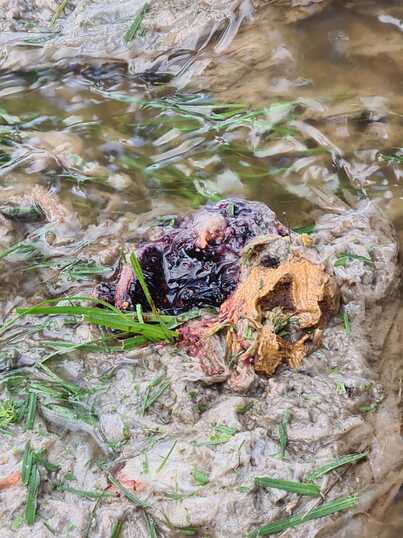
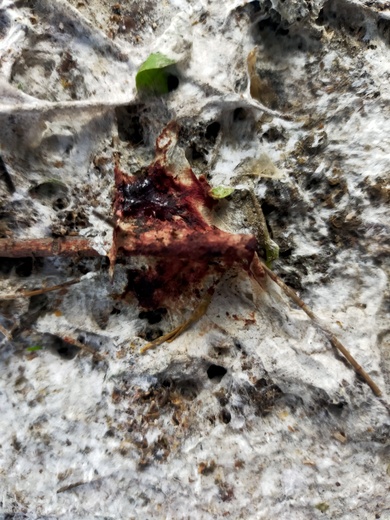
Body parts, a foetus, and blood often comes through the manholes in their street and inside of their yards.
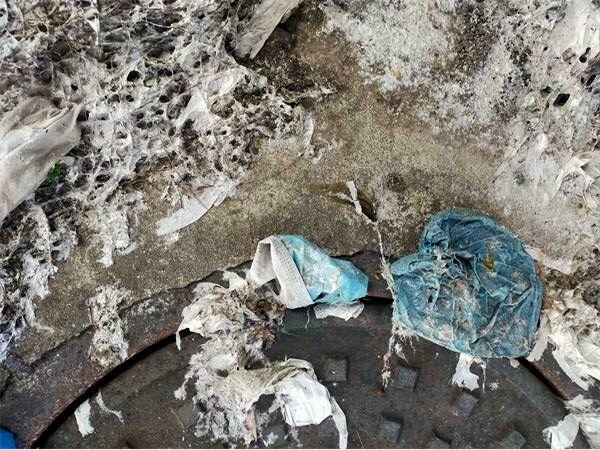
Seeing blood and medical waste in the street is not what most mothers want for their children.
However, this is what residents of Raymond Mhlaba Street in Evander have to deal with.
Medical waste, including body parts, a foetus, and blood often comes through the manholes in their street and inside of their yards.
“What if our pets drink that dirty, bloody water?” said one of the residents.
As the Evander Hospital is nearby and runs on the same sewage line as the houses belonging to these residents, they suspect this is where the medical waste and blood come from.
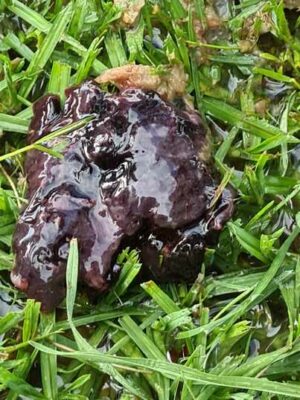
This problem has been occurring since 2018. In 2021 these residents contacted several government departments, the police and the Green Scorpions to help them with their problem, but nobody seems to be able to help.
The CEO of Evander Hospital, Madala Ndhlovu, said, when the Ridge Times called, they were aware of this problem.
The Ridge Times asked her what the correct way is to dispose of medical waste and she said medical waste is disposed at the point of generation, sealed and stored in a medical waste storage area and collected by a contracted service for general disposal outside the hospital premises as per the environmental policies.
She said Evander Hospital follows these procedures as per the Standard Operating Procedures (SOPs) and that the medical waste alleged to be in the street are from Evander Hospital may be caused by main sewer system pipes that cannot accommodate the high volume of the community’s waste.
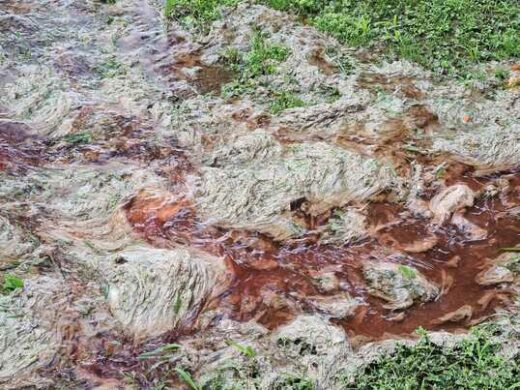
“That area has many trees that can block the sewer system,” said Ndhlovu.
Her comment on one of the photos sent to her of a face mask was that face masks are used by everyone in the community.
According to the Environment Conservation Act 73 of 1989, it is a minimum requirement that infectious waste must be destroyed and residue, such as ash, evaluated in terms of minimum requirements and given a hazard rating.
According to the Health Act, Act 63 of 1977, local authorities have a responsibility to maintain their district in hygienic conditions.
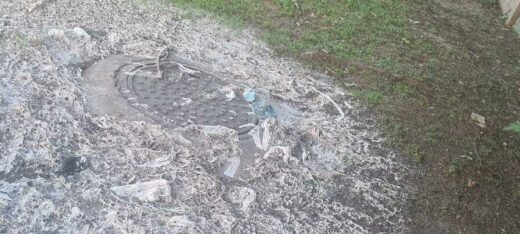
Section 33 provides for regulations relating to communicable diseases, which may address the disposal of waste or other matters that may cause the development of a communicable disease.
In terms of Section 34, they make regulations relating to conditions dangerous to health. Section 38(1) grants the Minister of Health the power to make regulations to control several health-related solid or liquid waste aspects, including medical waste.
The Atmospheric Pollution Prevention Act, Act 45 of 1965, included medical waste incineration in this act in 1993/1994.
There are specific, lawful ways in which hospitals are supposed to dispose of medical waste.
The code of practice for handling and disposal of waste materials within healthcare facilities also provides guidelines on handling waste materials.
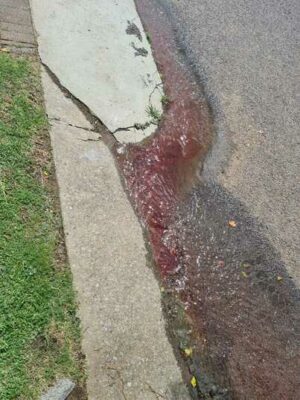
“The walls in our yard began sinking, but we are too scared of what we would find there if we dig to fix the wall,” said another resident.
“The problem is getting worse over the years. I think it is because the municipality does not maintain the water pipes and drains like they used to.
“In the past, the drain and thus the bloody water and medical waste did not come out of the manhole so often, but now it is a regular problem.”
After these residents contacted the Green Scorpions, they visited the site and some of the pump stations in Evander.
They said they would follow up and take the matter further, but the problem continues.
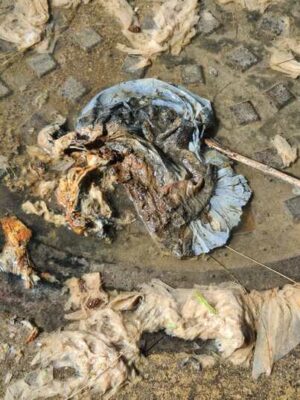
“We contacted the police at one stage, who visited the hospital and spoke to the staff.
“They said they could not do anything about it as the forensics team needed to investigate it,” said a resident.
Another problem is that when the municipality opens the sewage lines and manholes after it was blocked, they leave everything on the pavements.
“Who is then supposed to get rid of the medical waste?” asked a resident.
“It lures flies and insects and surely it would cause other diseases.”