
With World Malaria Day on April 25, raising awareness about malaria is crucial.
According to Affinity Health, this life-threatening disease continues to be a major public health concern, especially in high-risk areas.
“According to the World Health Organisation (WHO), millions of people worldwide are affected yearly, with Africa experiencing the highest number of cases. While malaria is both preventable and treatable, delaying diagnosis and treatment can lead to severe complications such as organ failure and even death,” says Murray Hewlett, CEO of Affinity Health.
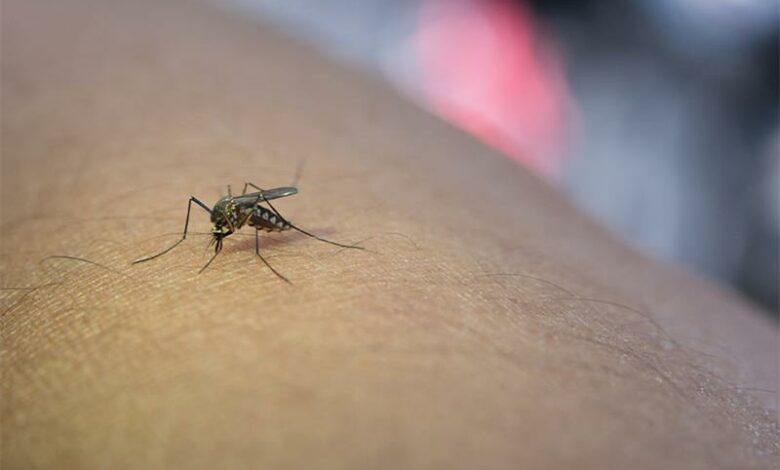
“The Plasmodium parasite causes malaria and spreads through bites from infected female Anopheles mosquitoes.”
Recognising malaria symptoms early and getting medical help right away can save lives. Symptoms typically appear 10–15 days after a mosquito bite, though sometimes they take longer. Since malaria can feel like the flu, it’s easy to overlook the warning signs.
Look for these key symptoms:
1. High fever and chills
A sudden onset of fever (often exceeding 38°C) accompanied by intense chills is one of the most common signs of malaria.
2. Excessive sweating
After fever and chills, malaria can cause intense sweating as the body tries to lower its temperature.
3. Headaches and body aches
Malaria often causes intense headaches and aching muscles, especially in the joints and throughout the body.
4. Nausea, vomiting, and diarrhoea
Gastrointestinal symptoms can accompany malaria, making it easy to mistake for other common infections.
5. Rapid breathing and increased heart rate
As malaria progresses, it can lead to respiratory distress and cardiovascular strain.
6. Extreme tiredness and weakness
Malaria drains the body’s energy, causing severe fatigue, drowsiness, and overall weakness.
7. Yellow skin and anaemia
In severe cases, malaria can break down red blood cells, leading to jaundice (yellowing of the skin and eyes) and anaemia, which causes weakness and dizziness.
When to seek medical help
If you or a loved one experiences any of the symptoms listed above, especially after a recent travel to a malaria-prone area, seek medical attention immediately. Early diagnosis and treatment are key to preventing complications.
People are urged not to ignore fever and flu-like symptoms, especially during peak malaria seasons. Diagnostic tests, such as rapid malaria and blood smears, can detect malaria parasites early, allowing prompt treatment.
Who is most at risk?
While malaria can affect anyone, certain groups are at a higher risk of severe illness, including:
Young children: Their immune systems are underdeveloped to fight the parasite.
Pregnant women: Malaria increases the risk of complications for both mother and baby.
Travellers from non-endemic areas: Those without prior exposure lack natural immunity.
Weakened immune systems: This includes people with chronic illnesses such as HIV/AIDS, who are more vulnerable to malaria.
Prevention is better than cure
The best way to lower the risk of malaria is to prevent mosquito bites and stop them from breeding.
Here are some key prevention tips:
Use mosquito nets: Sleeping under insecticide-treated bed nets provides a strong layer of protection.
Apply insect repellents: Use mosquito repellents containing DEET, picaridin, or lemon eucalyptus oil.
Dress for protection: Wear long sleeves, pants, and socks, especially at night, to keep mosquitoes from biting exposed skin.
Get rid of still water: Mosquitoes lay eggs in stagnant water, so regularly check your home and empty any standing water to prevent them from breeding.
Take preventive medication: If travelling to high-risk areas, consult a healthcare provider for malaria prophylaxis.
Conclusion
Affinity Health urges South Africans to prioritise awareness, prevention, and early detection. Malaria is a serious but preventable disease, and taking the proper steps can make all the difference.