
Animal behaviourist from Standerton speaks about abuse
Caitlin Henri says abuse can have a psychological impact on animals that often lingers long after the body has healed.

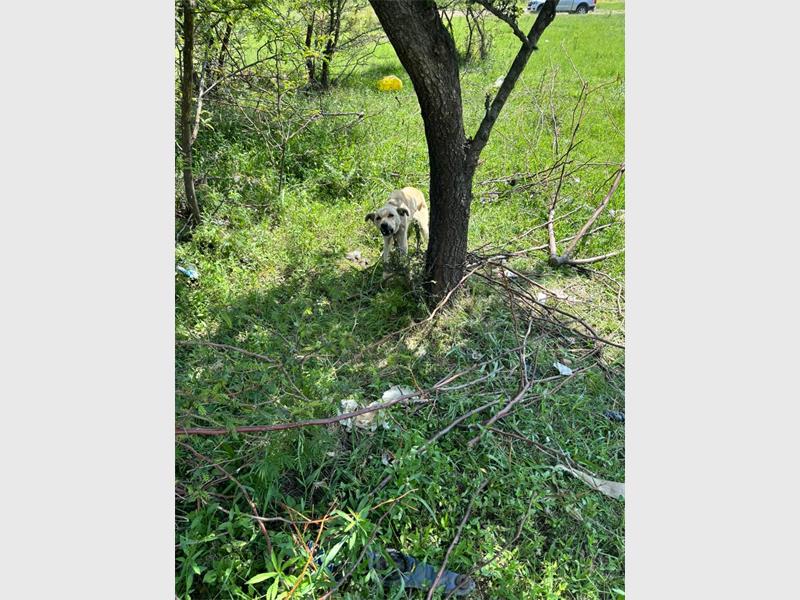
Kasselman Security Services (KSS) rescued a dog tied to a tree after receiving information about the animal near the industrial bridge on January 2.
The dog was first spotted by a resident, who posted photos and a brief but unclear explanation of its whereabouts on the Lekwa News and Advertising 2430 group.
KSS quickly tracked the location and freed the dog. It was promptly taken to Standerton Animal Hospital, where it was treated.
According to local animal rights activist Riana Labuschagne, the dog had suffered severe neglect and abuse for a long time.
“This dog was severely dehydrated and hungry and could have been chained to the tree for a very long time, unable to free itself,” she said.
After treatment, the dog was sent to a shelter.
The wider issue of animal cruelty
Animal cruelty is an ongoing problem and, according to Caitlin Henri, who owns the Keda Training and Behaviour Solutions and is a CO1-certified animal trainer and specialist in animal care, welfare and husbandry, it can have significant short- and long-term effects that extend far beyond physical well-being.
“While physical abuse is the easiest to spot, abuse can have a psychological impact on animals as well and often lingers long after the body has healed,” Henri explained.
She said abused animals often remain stuck in a state of fight or flight, leading to high levels of anxiety, fear and reactive aggression. Many shut down completely, appearing compliant when, in reality, they are trapped in helplessness.
Henri added that abuse and neglect often go hand in hand. Animals kept in unsanitary conditions without food, water, or shelter are prone to further abuse. Signs include emaciated body condition, dirty or matted fur, overgrown nails, untreated injuries or disease, open wounds, skin problems, parasites, and being kept unfairly in cages or chains.
Due to this, animals that have suffered often struggle to trust humans, even those with good intentions.
“In the past, animals were seen as simple creatures with limited understanding, but research has proven they are complex beings with a wide range of emotions,” Henri said.
Rehabilitation and care
Henri believes most abused animals can be rehabilitated with proper care, safety and security. She recommends that owners learn to spot signs of stress in pets to avoid triggers that may cause fearful responses.
“This will help you identify things that may trigger a fearful response, and avoiding them could help your pet feel safe,” stated Henri.
Working with a certified specialist can also help you and your pet through any anxiety or lingering fears from prior abuse.
According to Henri, it is important not to limit your pet to their past. The abuse they suffered might have had an impact, but it is not all they are.
Henri recommends pet owners give their previously abused pet space and opportunities to experience the world in new ways and on their own terms under a protecting and guiding hand.