
How Veterinary Oxygen Therapy Saves the Lives of Pets
This article gives insight into oxygen therapy and its vital role in treating animals.
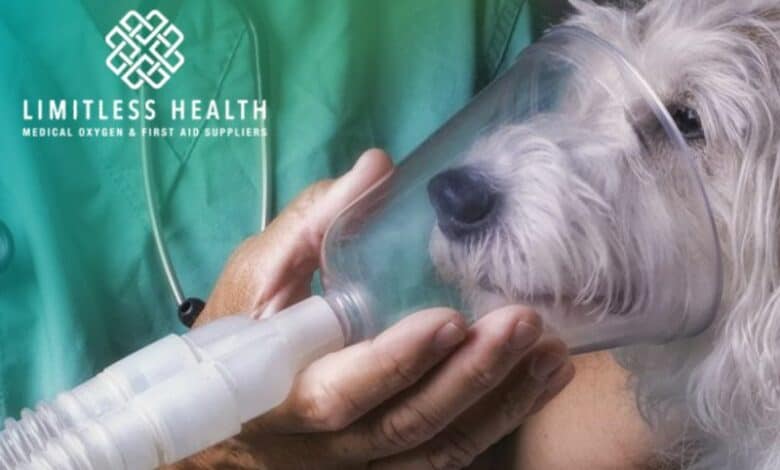
Oxygen therapy, commonly associated with human medical care, has become an invaluable tool in veterinary medicine, especially with the advent of portable oxygen machines.
These devices, often seen in hospitals and homes for human patients, are now making a significant difference in the lives of pets. Veterinary oxygen therapy, using portable oxygen machines, is increasingly used to treat various conditions in animals, offering a lifeline to those in critical need.
Understanding Veterinary Oxygen Therapy
This therapy is vital for pets suffering from conditions such as heart failure, pneumonia, asthma, or trauma. By providing a higher concentration of oxygen than available in the ambient air, veterinary oxygen therapy helps the pet’s tissues receive adequate oxygen, promoting healing and improving survival chances. Veterinary oxygen therapy involves the administration of supplemental oxygen to animals experiencing respiratory distress or conditions that impair oxygen delivery to their tissues.
The Role of Portable Oxygen Machines
Portable veterinary oxygen machines have revolutionised veterinary oxygen therapy. These compact, easy-to-use devices allow for the provision of oxygen therapy in various settings, including veterinary clinics, emergency situations, and even at home.
Their portability means that oxygen therapy can be administered immediately and continuously, which is critical for pets in severe respiratory distress. The ability to move these machines easily also allows for transport to specialised care facilities without interrupting the oxygen supply.
Uses in Emergency and Critical Care
In emergency and critical care scenarios, portable oxygen machines are life-saving. Pets suffering from acute conditions such as trauma, smoke inhalation, or severe asthma attacks often require immediate oxygen therapy to stabilise their condition.
Portable oxygen machines can be rapidly deployed in these situations, providing a steady oxygen supply to help the pet breathe more easily and efficiently. This immediate intervention can be the difference between life and death for pets in acute respiratory distress.
Chronic Conditions and Long-Term Care
For pets with chronic respiratory or cardiac conditions, portable veterinary oxygen machines offer a means of long-term management.
Conditions like congestive heart failure or chronic obstructive pulmonary disease (COPD) can severely impact a pet’s ability to breathe normally.
Regular use of portable oxygen machines can help manage these conditions by allowing pets to receive consistent oxygen supplementation, improving their quality of life and potentially extending their lifespan.
Improving Outcomes in Veterinary Care
The integration of portable oxygen machines in veterinary practice has markedly improved outcomes for pets with respiratory conditions. By providing reliable and immediate oxygen support, these machines help stabilise critical patients, support recovery from surgical procedures, and improve the overall management of chronic illnesses.
Veterinarians now have an effective tool to offer comprehensive respiratory care, improving the prognosis for many pets.
Final Thoughts
Veterinary oxygen therapy, supported by the use of portable oxygen machines, is a vital and life-saving intervention in modern veterinary medicine. These machines, primarily associated with human medical care, are now essential in treating pets with various respiratory conditions.
As technology continues to advance, the role of portable oxygen machines in veterinary care is set to expand, offering even greater hope and healing for pets in need.