Afrika Tikkun crowns 2026 Mr and Miss Ability in Rosebank
Afrika Tikkun's winners will spend the coming year as disability inclusion ambassadors across the organisation.
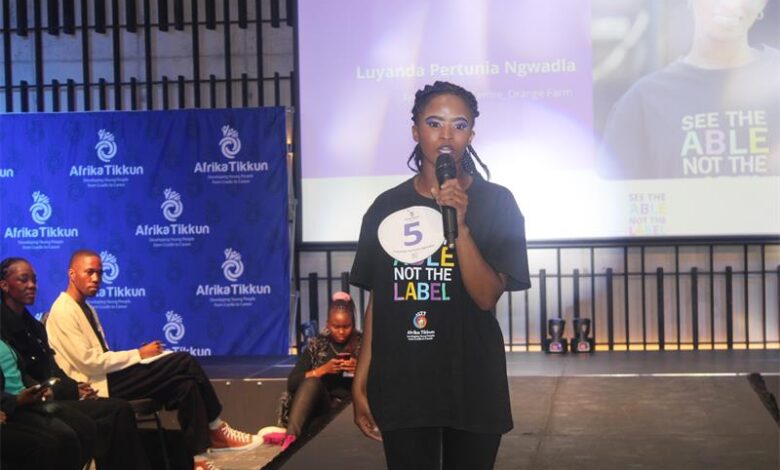
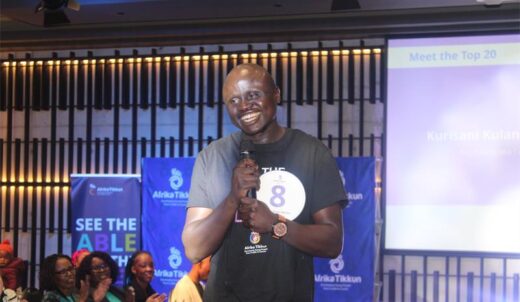
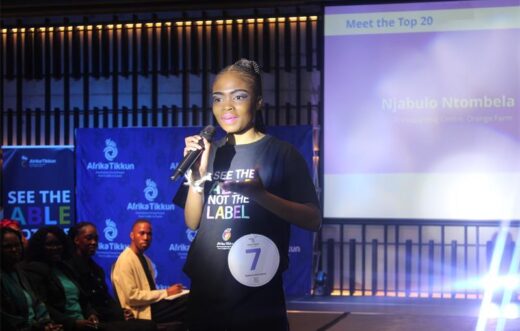
Nine Yards in Parktown North came alive with jubilation and possibilities during Afrika Tikkun’s 2026 Mr and Miss Ability pageant.
Ululations, whistles, and applause cheered on contestants who were on stage. The judging panel was chosen for lived experience, as much as credentials, drawing on disability advocates and community leaders.
The winners of the day were Yanga Gongwana, who was crowned Mr Ability 2026, Nonhlanhla Nxasana, from Braamfontein, who was crowned Miss Ability, and Njabulo Vincent Mthembu and Ayanda Mncube, from Braamfontein, took the prince and princess titles.
Read more: Reach for a Dream Foundation celebrates 38 years of fulfilling dreams
All four will spend the coming year as disability inclusion ambassadors across the organisation.
The pageant is part of a year-round programme that also runs work readiness, life and work skills sessions, corporate sensitisation training, and employer partnership work.
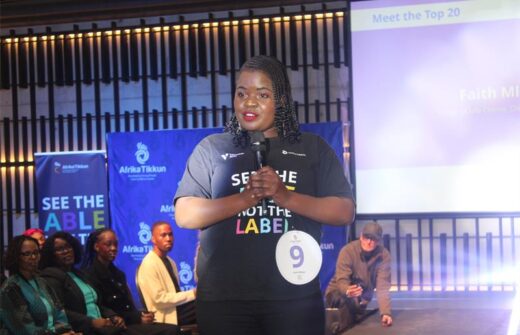
Marc Lubner, Afrika Tikkun’s group chief executive, told the room that integrating children with disabilities into mainstream programmes lifted results for everyone, with school grades improving and participation rising.
Lana Roy, Afrika Tikkun’s disability and inclusion head, made sense of the figures relating to disability in Africa.
“Around 61% of young persons with disabilities in Africa are out of school, and persons with disabilities across the continent are roughly twice as likely to be unemployed as their peers, with women worse off.
Also read: Reea Foundation reflects on being a place of refuge and stability since 1935
The cost of that exclusion to African economies has been estimated at between 3% and 7% of GDP.” Roy added that it wasn’t a talent problem, but a structural one.
Latchean Mhlanga, Afrika Tikkun’s disability project manager, who steered the programme, described the mechanics of that from the stage.
“Young people spend years in special schools learning gardening, beauty, carpentry, and other trades. They then apply for work, but are told they need matric, and must sit an online assessment.”
She added that it was not because there were no jobs, but because our recruitment systems were not accommodating.
Follow us on our Whatsapp channel, Facebook, X, Instagram and TikTok for the latest updates!