

What is Ebola Virus Disease?
The disease is caused by infection with Ebola virus, named after a river in the Democratic Republic of the Congo (formerly Zaire) in Africa, where it was first recognized.
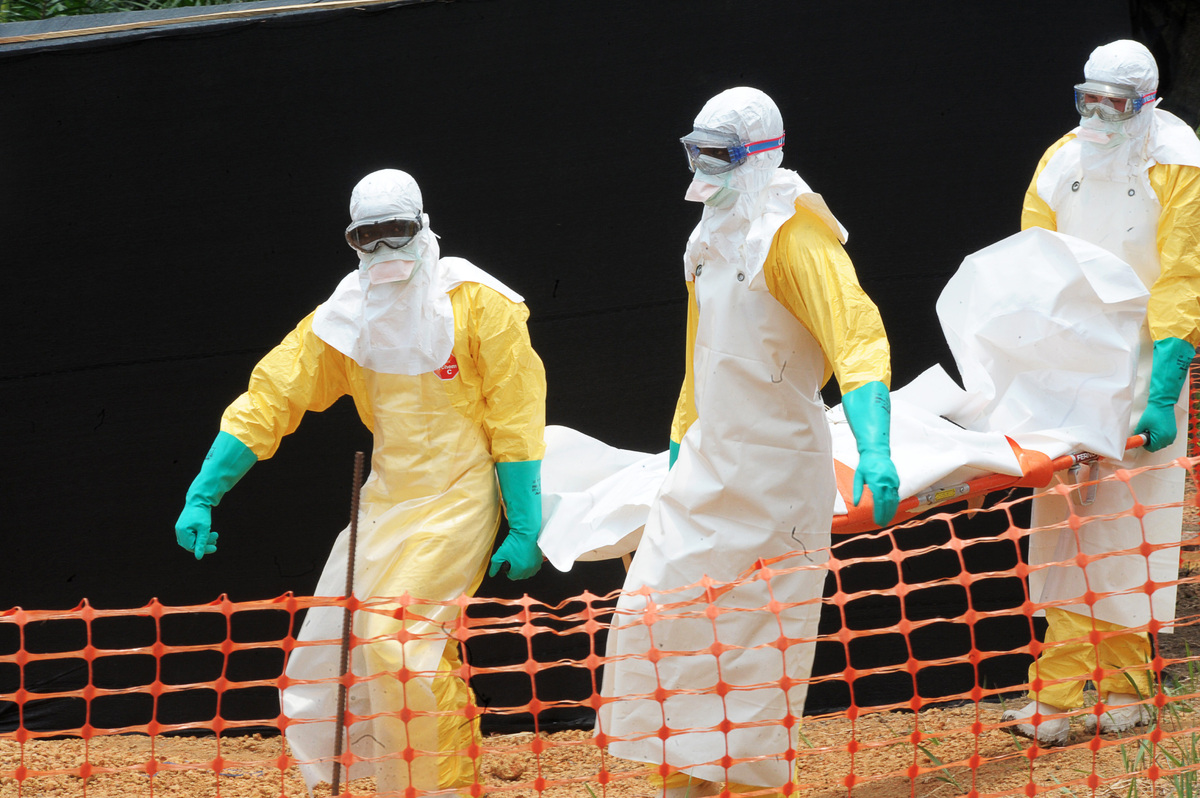
JOHANNESBURG – Ebola Virus Disease; previously known as Ebola Haemorrhagic Disease is a severe, often-fatal disease in humans and nonhuman primates (monkeys, gorillas, and chimpanzees) that has appeared sporadically since its initial recognition in 1976.
The disease is caused by infection with Ebola virus, named after a river in the Democratic Republic of the Congo (formerly Zaire) in Africa, where it was first recognized.
Where is Ebola virus found in nature?
The exact origin, locations, and natural habitat (known as the “natural reservoir”) of Ebola virus remain unknown. However, on the basis of available evidence and the nature of similar viruses, researchers believe that the virus is zoonotic (animal-borne) with four of the five subtypes occurring in an animal host native to Africa. A similar host, most likely
in the Philippines, is probably associated with the Ebola-Reston subtype, which was isolated from infected cynomolgous monkeys that were imported to the United States and Italy from the Philippines. The virus is not known to be native to other continents, such as North America.
Where do cases of Ebola Virus Disease occur?
Confirmed cases of Ebola Virus Disease have been reported in the Democratic Republic of Congo(DRC), Gabon, Sudan, the Ivory Coast, Uganda, Guinea, Liberia, Sierra Leone and Nigeria. No case of the disease in humans has ever been reported in the United States. Ebola Virus Disease typically appears in sporadic outbreaks, usually spread within a health-care setting
How is Ebola virus spread?
Infections with Ebola virus are acute. There is no carrier state. Because the natural reservoir of the virus is unknown, the manner in which the virus first appears in a human at the start of an outbreak has not been determined. However, researchers have hypothesized that the first patient becomes infected through contact with an infected animal.
After the first case-patient in an outbreak setting is infected, the virus can be transmitted in several ways. People can be exposed to Ebola virus from direct contact with the blood and/or secretions of an infected person.
Thus, the virus is often spread through families and friends because they come in close contact with such secretions when caring for infected persons. People can also be exposed to Ebola virus through contact with objects, such as needles, that have been contaminated with infected secretions.
Nosocomial transmission refers to the spread of a disease within a health-care setting, such as a clinic or hospital. It occurs frequently during Ebola Virus Disease outbreaks. It includes both types of
transmission described above. In African health-care facilities, patients are often cared for without the use of a mask, gown, or gloves. Exposure to the virus has occurred when health care workers treated individuals with Ebola Virus Disease without wearing these types of protective clothing
What are the symptoms of Ebola Virus Disease?
The incubation period for Ebola Virus Disease ranges from 2 to 21 days. The onset of illness is abrupt and is characterized by fever, headache, joint and muscle aches, sore throat, and weakness, followed by diarrhoea, vomiting, and stomach pain. A rash, red eyes, hiccups and internal and external bleeding may be seen in some patients.
Researchers do not understand why some people are able to recover from Ebola Virus Disease and others are not. However, it is known that patients who die usually have not developed a significant immune response to the virus at the time of death.
What laboratory tests are used to diagnose Ebola Virus Disease?
Blood is tested for Ebola virus to diagnose the Ebola Virus Disease
How is Ebola Virus Disease treated?
There is no standard treatment for Ebola Virus Disease. Patients receive supportive therapy. This consists of balancing the patient’s fluids and electrolytes, maintaining their oxygen status and blood pressure, and treating them for any complicating infections.
How is Ebola Virus Disease prevented?
The prevention of Ebola HF in Africa presents many challenges. Because the identity and location of the natural reservoir of Ebola virus are unknown, there are few established primary prevention measures. If cases of the disease do appear, current social and economic conditions often favour the
spread of an epidemic within health-care facilities. Therefore, health-care providers must be able to recognize a case of Ebola Virus Disease should one appear.
They must also have the capability to perform diagnostic tests and be ready to employ practical viral hemorrhagic fever isolation precautions, or barrier nursing techniques. These techniques include the wearing of protective clothing, such as masks, gloves, gowns, and goggles; the use of infection-control measures, including complete equipment sterilization; and the isolation of Ebola Virus Disease patients from contact with unprotected persons.
The aim of all of these techniques is to avoid any person’s contact with the blood or secretions of any patient. If a patient with Ebola Virus Disease dies, it is equally important that direct contact with the body of the deceased patient be prevented.
Issued by: Health Department