
Johannesburg water storage improves to 41% as city targets 50% by end of week
Mayor Dada Morero says reservoir levels are gradually recovering following weeks of disruptions, while the city works to stabilise the network, repair leaks and increase water tanker deliveries.
The City of Johannesburg says water supply is gradually recovering following weeks of disruptions, but several Johannesburg communities remain affected.
Johannesburg’s water storage levels have improved from 37% on Sunday (November 1) to 41% on Monday (November 2), as the city works to restore supply to communities affected by prolonged water outages.
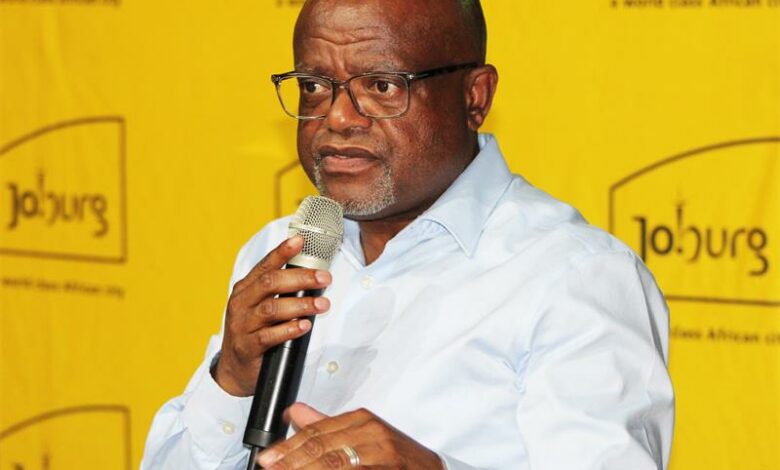
Executive Mayor Dada Morero shared the update during a media briefing at Crown Gardens Reservoir on Monday, where he acknowledged residents’ frustration over severe water disruptions since October 19.
He said some communities had endured a second or third week of interruptions, with high-lying areas particularly affected.
“We acknowledge the frustration this has caused. Restoring reliable water supply remains our priority,” Morero said.
He attributed the disruptions to several factors, including Rand Water operating at full pumping capacity and imposing restrictions on municipalities that exceed their water allocations.
Morero said water was being consumed faster than reservoirs and towers could refill.
Leaks, maintenance work and labour action at Johannesburg Water had also affected the city’s ability to carry out interventions needed to stabilise the network.
He said the city was adjusting water flows, bulk meters and network pressures to manage available storage and direct supply to areas experiencing the greatest difficulties.
Some reservoirs show signs of recovery
Morero reported improvements in several parts of the city’s water supply network, although some areas still experienced low storage levels and interruptions.
Storage across the Sandton water systems had improved to 37%, up from 27% the previous day. However, Bryanston, Illovo and Morningside remained under active management.
In Midrand, Grand Central Reservoir remained critically low, while Ivory Park, Allandale and Kaalfontein continued to experience supply challenges.
Sundowner, North Riding and Northgate were also affected, with a technical team deployed to investigate the situation.
Other areas showed signs of recovery. Yeoville Reservoir improved to above 40%, while supply was restored to most of the Alexander Park zone. Berea Reservoir had also recovered to above 60%.
Crown Gardens Reservoir and Tower were both at 100% and supplying water at the time of the briefing.
Morero said teams were continuing to repair burst pipes and leaks, adjust network pressures and address outstanding maintenance work.
He maintained that the water supply system had not collapsed and that the city was managing the situation while working to restore supply.
Brixton Reservoir operational but more work needed
Johannesburg Water managing director Ntshavheni Mukwevho addressed questions about the recently completed Brixton Reservoir, confirming that it had been commissioned and was operational.
He said Brixton Reservoir 1 was at approximately 91%, with its outlet fully open, while Brixton Reservoir 2 was at about 50%.
However, Mukwevho explained that the reservoir formed part of a larger project to improve the Commando water supply system. Additional infrastructure was still required before the entire system could operate as intended.
This includes a 4.4km bulk pipeline and new pump stations. Construction work is under way along the main road and around Westdene.
Mukwevho said the remaining work was expected to be completed around February 2027.
He added that Johannesburg Water expected overall storage levels to reach approximately 50% by the end of the week.
Premier apologises to affected residents
Gauteng Premier Panyaza Lesufi said the provincial government was working with the national Department of Water and Sanitation and municipalities to monitor water challenges.
He said the province held weekly meetings with the Minister of Water and Sanitation and municipalities to discuss the situation.
Lesufi acknowledged that government had been caught off guard by the sudden drop in reservoir levels, despite existing monitoring systems.
He said Deputy Minister of Water and Sanitation David Mahlobo had been deployed to Gauteng to assist with the interventions.
Lesufi apologised to residents experiencing water shortages and said the immediate priority was to restore supply.
Questions were also raised about accountability, particularly in communities that had repeatedly experienced water disruptions and protests.
Lesufi said the matter would be addressed once the water supply situation had stabilised.
Morero also acknowledged that improved reservoir levels meant little to residents whose taps remained dry. He said the city wanted residents to receive water through their taps rather than depend on water tankers.
City outlines plans to reduce water losses
The briefing also addressed Johannesburg’s ongoing water losses, which Morero said stood at approximately 44%.
He said the city’s turnaround strategy included infrastructure investment and a pipe replacement programme aimed at reducing losses in the water network.
During the previous financial year, the city replaced approximately 84km of pipes.
Morero said about 2 600km of pipes had been identified as requiring attention.
He said the interventions were intended to reduce water losses by at least 10% in the short term, although achieving this would require significant investment.
The mayor said the city welcomed the South African Human Rights Commission’s report on water challenges and would work towards implementing its recommendations.
More water tankers planned
Morero said the city was also working to increase its own water tanker fleet and reduce its reliance on contracted service providers.
According to the mayor’s briefing, 20 tankers purchased during the 2024/25 financial year were fully operational.
A further 16 had been procured. Six were already active, five had been delivered and were being prepared for operation during November, while the remaining five were expected during the 2026/27 financial year.
The city also planned to procure another 20 tankers during the 2026/27 and 2027/28 financial years.
Morero said the planned fleet of approximately 60 vehicles would help the city provide water to communities, particularly informal settlements.
He urged residents in areas without water deliveries to alert the city so water tankers could be directed where needed.
The mayor said the city remained focused on restoring a reliable supply and stabilising the network, while acknowledging that residents still faced difficulties.