
Working on the frontline during the pandemic
The Fidelity Specialised Intervention Unit comprises a national team as well as three regional teams to cover Johannesburg South and other regions.
Juan Bothma (30), who is a Fidelity Specialist Intervention Unit member based in the South, said these highly-trained specialists work behind the scenes in often-dangerous circumstances to ensure customers and assets are kept safe.
The team works closely with SAPS and Fidelity ADT Reaction teams.
“As a frontline worker, it was a big shock adapting to everything and at the same time making sure I kept myself safe while following procedures.
“At the back of your mind is always the fear of getting the virus. I was particularly worried about taking the virus home. I have a son who is only 10 months old now. He was born prematurely when we first went into lockdown,” explained Bothma.
He said the most challenging part was working in informal settlements.
“Most of the people were not following protocol and wearing masks or sanitising or social distancing. Taverns were still open and people just continued drinking and carrying on as if there was no pandemic. It was frightening and I was constantly worried about my wife and newborn baby.
“My whole routine had to change at home too. We moved the washing machine into the garage. I would get home, take off my clothes, place them straight in the washing machine and then take a shower. Only after that would I have contact with my family,” he said.
Bothma said the worst experience is when they were called out to a house party in Mondeor.
“We received the alert that there were too many people in the home and they were not adhering to the 50 per cent capacity rule. Later that night we passed by that house and 127 young children, ranging from 15 to 18 years old, were partying in this small house.
“No one showed any concern for the virus and we needed to go into the home and disperse the crowds.”
He said the most difficult thing was adapting to keep his family safe. When they are apprehending suspects, there is often human contact that cannot be avoided.
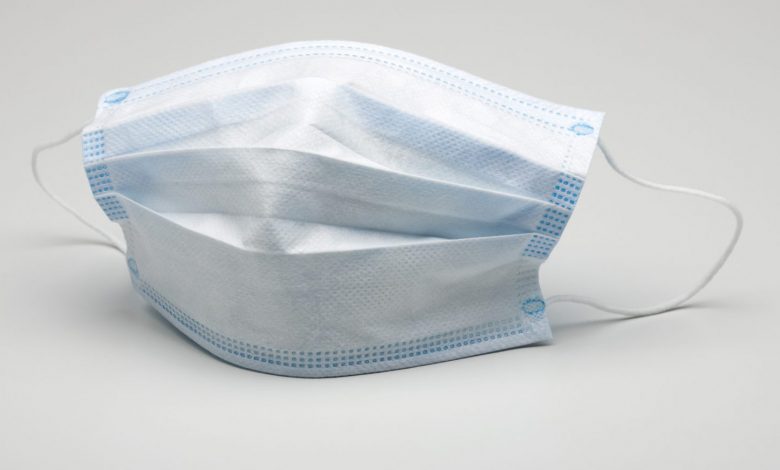
“Adapting was the most challenging part. We needed to wear gloves and masks and the way we approached suspects was according to strict protocols.
“As a frontline worker, you have no choice and need to adapt quickly and remain mentally strong.”
Bothma is thankful they kept safe and are still in good health, and it has been something they are used to now.
“We are used to it now. I have made it part of my daily living routine. The changes are embedded in my mind, part of my daily living,” he said.