
Some food for thought
“When we take a look closer to home, we begin to understand that food security is a complex challenge wedged between a myriad social problems that need to urgently be addressed.” – Catherine Constantinides
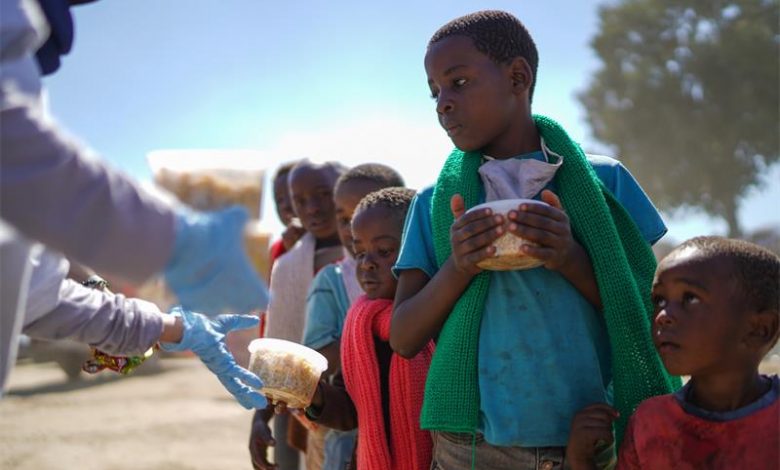
As a humanitarian, certain days of importance are truly powerful moments for reflection, a realignment from where we are and where we ought to be, a moment to drive awareness and education on some of the most pressing issues of our time.
On May 28 we observe World Hunger Day. Around the world, more than enough food is produced to feed the global population, yet 690 million people live with chronic hunger. World hunger is on the rise, affecting 8.9 per cent of the global population.
From 2018 to 2019, the number of undernourished people grew by 10 million and there are now almost 60 million more undernourished people than there were seven years ago.
Additionally, 60 per cent of people living in hunger are women, with 98 per cent of people suffering from undernourishment living in low- and middle-income countries.
Hunger kills more than Aids, malaria and tuberculosis combined. Through my work, I have seen the horrifying levels of hunger, and they are inextricably connected to poverty and social injustice. The poverty trap remains one of the leading causes of hunger.
A few weeks ago, I had the opportunity of travelling with SA-based NGO Africa Muslim Agency (AMA) as part of a women-led delegation to Afghanistan, under the banner of More Than A Meal. As I think back to this humanitarian mission, I’m reminded of moments that will forever remain with me.
It is said what we do may be insignificant, but we must do it anyway. It is about the moments we carve out when we submerge ourselves in the time spent with people, those we know and those we have met for the first time.
It’s about how we give of ourselves to others. How we allow our beings to connect, understand and listen without responding, without judgement and without trying to do anything more than live within that moment.
How can I ever be the same after walking the mountains of Kabul, listening to the cries of women widowed at a young age, left with between four to six children?
The pain and hardship carried in the eyes of the children we met and worked with. Understanding the social dynamics such as child marriage, understanding the hardship, anger and suffering that little children no more than five years old carry with them.
When children have no understanding of how old they are because age means nothing when you sell plastic bags for a few cents to simply bring home money.
From the age of four, children become the breadwinner of their homes and all that matters is if you’re able to buy a single potato to boil for a family of four, to share.
The levels of hunger can be seen and felt in every home, in the suffering and struggle of the faces of every mother.
I met children of all ages who merely exist because living isn’t an option. Happiness is an emotion they are unable to unlock because it is not a feeling they know or have access to within the frame of life as they know it.
Afghanistan is the fifth poorest country in the world with a population of just under 41 million people, where 54 per cent of the population live in poverty, according to the Afghanistan Living Conditions Survey done in 2016/17, and 12.5 million people have been identified as severely food insecure. Being able to travel to a part of the world where few ever go, I was given an opportunity to truly understand and engage people on the ground, I felt their torment, I could hear, see and feel the anguish of hunger and starvation. Education is not a primary focus, and when you can see such hunger and the fight to merely exist, children do not go to school because being able to eat is far more important than school.
I will forever carry the mountains of Kabul within me. I will forever be changed by my time in Afghanistan and will do all I can to continue supporting #MoreThanAMeal in a quest to give more than a meal to the forgotten people of Afghanistan, giving them dignity, security, nourishment and, most importantly, giving them a reason to live.
My time in Afghanistan allowed me to see such a programme in action. The work done on the ground by AMA is powerful, impactful and life-changing for families who benefit from this programme. Visit their website at www.africamuslimsagency.co.za
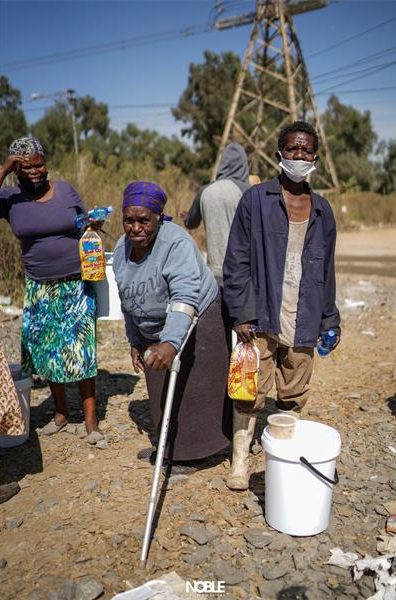
When we take a look closer to home, we begin to understand that food security is a complex challenge wedged between a myriad social problems that need to urgently be addressed.
Statistics show that approximately 50 per cent of our population is food insecure and yet 10 million tons of South Africa’s food supply is lost or wasted every year and 70 per cent of households in informal settlements are only eating one meal a day. There are many organisations that before Covid-19 and even during the hard lockdown in 2020 have continued to drive the distribution of food for the most vulnerable across communities in South Africa.
Many ask what they can do. As we observe World Hunger Day, consider supporting an organisation committed to feeding our communities through soup kitchens and food security programmes.
For more information about such organisations visit:
• Muslim Association of South Africa: www.muslim.org.za
• Build The Future: www.buildthefuture.org.za
• Shalam Jackson: www.shalamjackson.org.za
• Salaam Foundation: www.salaamfoundation.com
• Or visit a local Community Action Network (CAN) chapter in your area.
Supplied by Catherine Constantinides @ChangeAgentSA (Humanitarian, social justice activist)