Muslim women honour hijab and heritage at Diepkloof Africa Day event
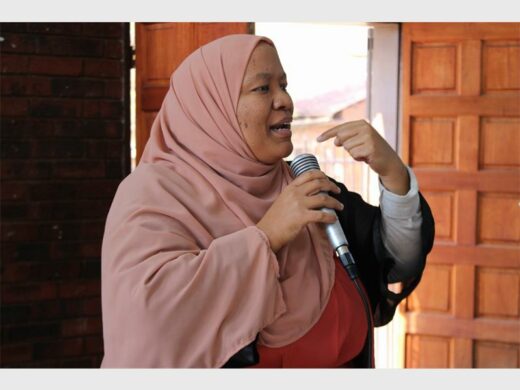
Women across Diepkloof came together for the ‘My Hijab, My Pride’ event on Africa Day, promoting understanding of the hijab and its role in preserving modesty and cultural pride. The event included educational talks, fashion showcases, and community dialogue.
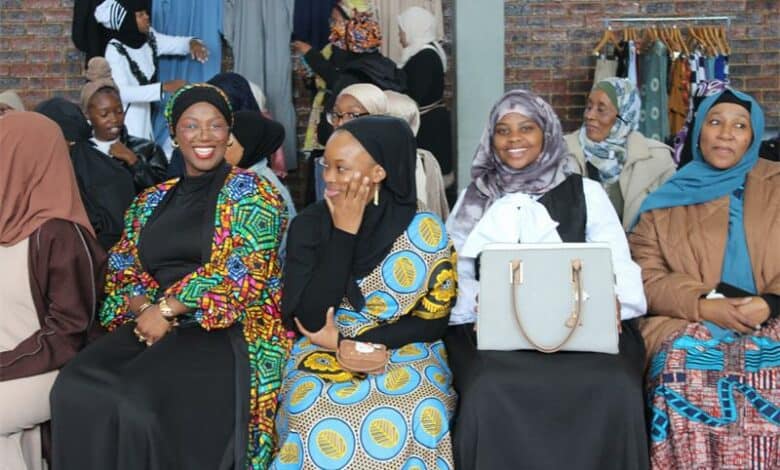
The Muslimah Dawah Empowerment (MDE) organisation hosted the My Hijab My Pride event at the Ekhaya Centre in Diepkloof Zone 4, coinciding with Africa Day celebrations on May 25.
The event brought together women from across the community to promote awareness and understanding of the hijab, a significant aspect of Islamic identity while celebrating African Muslim culture and heritage.
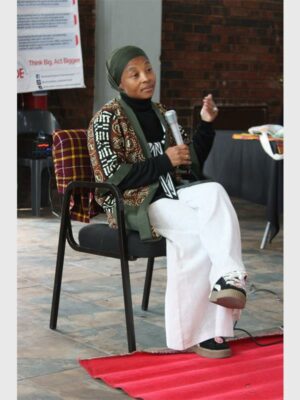
The event featured a thought-provoking hijab awareness talk with speakers and a Q&A session, allowing attendees to learn about the significance of the hijab and its intersection with African identity.
ALSO READ: Women’s Month celebrations at Emperors conclude
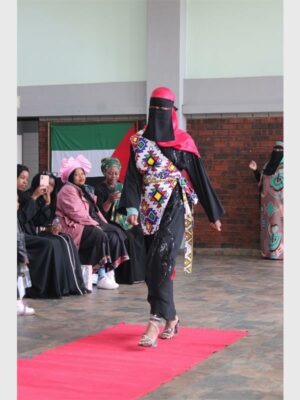
A hijab runway showcased stunning African-inspired hijab styles, highlighting the beauty and diversity of Muslim fashion.
The event also included a fun and interactive hijab quiz to entertain the attendees. Prize giveaways added to the festive atmosphere, making it a memorable experience for all.
According to Apa Haajira Phokwana, the secretary of the MDE, in Islam, the significance of the hijab is to protect women. It was designed to honour women’s chastity, ensuring they were not objectified or commodified by men.
The hijab promotes self-awareness and identity for women, particularly at a time when the media often portrays them as mere objects. Islam has long preserved women’s modesty and dignity.
“We can only hope this message reaches the right ears and hearts, enabling us to protect our young ladies from society’s dangers,” she said.
ALSO READ: Locals gather for Africa celebrations
Keitumetse Rammule, a property developer from Legae, said, “As an African woman, being a Muslim in our communities can be brutal. It is hard to fit in with other communities, but what is not important is how people perceive you.
Wearing a hijab is not just about the clothes you wear; it is about how you choose to present yourself to people.
“I became a Muslim when I was 18. The first relationship I had with a hijab was the fact that I wanted to show that I was Muslim and proud.
“It came with a lot of criticism. People used to think that because I come from a black consciousness background, I couldn’t move away from my traditional way of worshipping,” said Mamolefe Sehume, a fashion designer.