
Youth entrepreneur programme addresses challenges in the agriculture and logistics sector
The programme empowers young entrepreneurs by equipping them with the skills, tools, and networks needed to build sustainable businesses that create jobs, strengthen communities, and promote youth inclusion in South Africa’s economic growth.
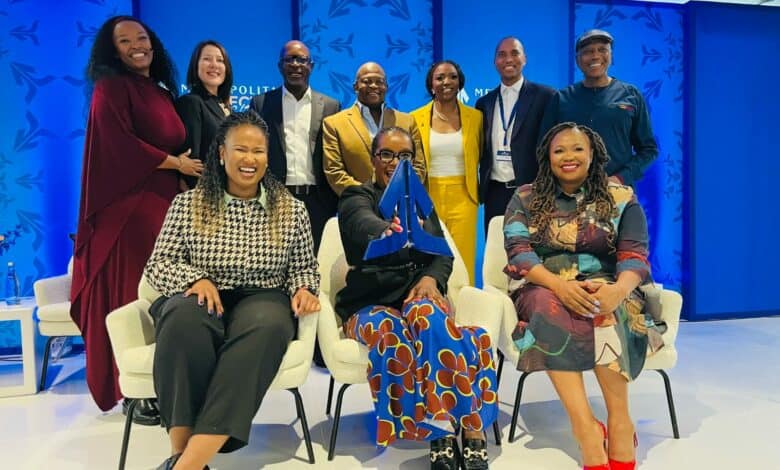
Metropolitan Collective Shapers has officially launched its fourth season, expanding nationally to empower young entrepreneurs in addressing South Africa’s pressing challenges within the agriculture and logistics sectors.
The launch took place in Melrose on September 26, where industry experts explored strategies for creating more enabling environments for young entrepreneurs.
The programme empowers young entrepreneurs by equipping them with the skills, tools, and networks needed to build sustainable businesses that create jobs, strengthen communities, and promote youth inclusion in South Africa’s economic growth.
ALSO READ: Youth synergy workshop hosted in Soweto
Speaking at the panel discussion, agricultural economist Sifiso Ntombela commended Metropolitan for focusing on agriculture, highlighting its potential for job creation and its importance to national food security.
“For every development, it starts with primary industries like agriculture. If you can invest in and engage a large number of people in the agricultural space and move them into secondary industries, it not only creates economic opportunities but also transforms our landscape, including rural areas and farming spaces. I think this is the right sector, a key sector that is considered a security sector,” he said.
Ntombela further stated that if food is not properly managed, there is a risk of an unstable economy.
By developing the agricultural sector and involving more people in it, we will not only build a thriving economy but also ensure the foundation of a stable society.
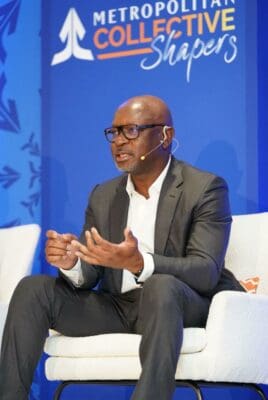
Speaking on how the programme has benefited young entrepreneurs, Metropolitan CEO Peter Tshiguvho told the audience that many of the participants who did not make it into the top 10 still gained valuable benefits as individuals.
ALSO READ: Thesis Lifestyle launches new street wear collection
He said that the lessons they picked up can be taken back and used to ensure they continue building and growing from the experience.
“With the initial ten people that we usually choose in different provinces, some are now supplying major retailers such as PicknPay and Woolworths. All the individuals we have worked with are thriving in their own way.
“What I have observed is that some of them are now able to employ up to five people to work with them, which clearly shows that we are making real progress and achieving success,” said Tshiguvho.
A beneficiary of the programme, farming entrepreneur Linda Mthalane, stated that her experience in the programme has equipped her with the knowledge and skills needed to succeed in the business industry.