
Mental Illness Awareness Month: Local doctor urges communities to break mental health stigma
A local doctor is encouraging communities to treat mental health with the same importance as physical health and to break the stigma that stops people from seeking help.
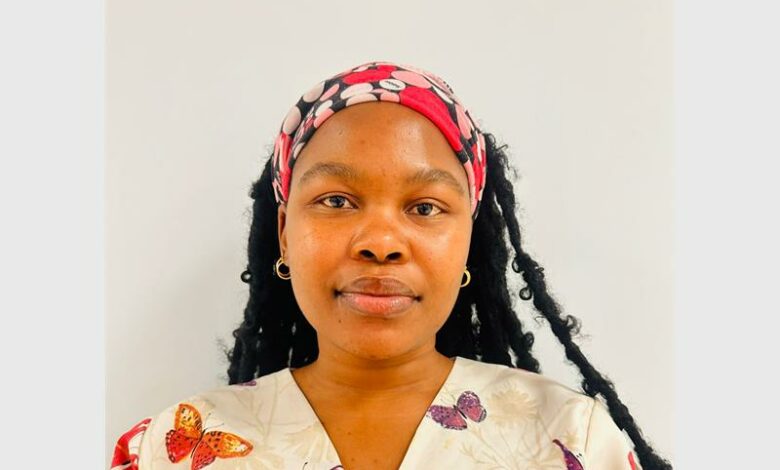
Mental health should be treated with the same importance as physical health, with communities encouraged to break the stigma that prevents many people from seeking help.
This is according to local doctor Dr Xola Nondlazi, who shared practical advice in recognition of Mental Illness Awareness Month.
Nondlazi said awareness is about changing society’s perception of psychological conditions and creating an environment where people feel supported instead of judged.
“The aim is to stop people from isolating themselves, which can worsen conditions such as depression and anxiety.
“When people understand mental illness, they are more likely to support one another and know where to access help and resources,” she said.
According to Nondlazi, the most common mental health conditions seen in his practice include mood disorders such as major depressive disorder, anxiety disorders, substance use disorders involving alcohol and drugs, and post-traumatic stress disorder.
ALSO READ: Vischkuil residents demand answers after nearly two-week water outage
She said early warning signs should never be ignored. These include withdrawing from family and friends, cancelling plans, persistent sadness, constant worry, irritability, poor concentration, memory loss, irrational thinking, increased substance use and, in some cases, detachment from reality.
Nondlazi explained that while ‘mental health’ refers to a person’s emotional, psychological and social well-being, ‘mental illness’ is a clinically diagnosed condition that affects a person’s thoughts, emotions and behaviour.
She said one of the biggest challenges remains the stigma surrounding mental illness.
“In many communities, mental illnesses are often attributed to witchcraft, demonic possession or misunderstood spiritual callings.
“There is also a belief that people should simply be strong, causing conditions such as depression and anxiety to be dismissed as laziness or weakness,” she shared.
She believes that families also have an important role to play in supporting loved ones living with mental illness.
ALSO READ: VIDEO: Connection Hub Expo connects local businesses with new opportunities
Nondlazi encouraged family members to educate themselves about specific conditions, listen without judgement, accompany relatives to medical appointments, encourage them to take prescribed medication and remain patient throughout the recovery process.
She explained several factors are contributing to increasing mental health concerns, particularly among young people.
These include pressure from social media, academic expectations, economic instability, trauma such as abuse or exposure to violence, family dysfunction and a family history of psychological disorders.
Financial stress and unemployment also have a significant impact on mental well-being.
“Persistent stress releases hormones such as cortisol and adrenaline, which alter brain chemistry and can trigger anxiety and panic disorders.
“Financial hardship often reduces a person’s sense of control and self-worth, while prolonged stress can lead to poor sleep and depression.
“Many people also turn to alcohol or drugs as unhealthy coping mechanisms, which only worsen their mental and physical health,” she cited.
Nondlazi advised people to seek professional help if their mental health begins affecting their daily lives.
Warning signs include struggling to function at work, school or home, relying on substances to cope, prolonged feelings of sadness, helplessness or anxiety, withdrawing from others, or experiencing physical symptoms such as headaches and fatigue.
She said treatment options include psychotherapy, medication and support groups, adding that with the right support, mental health can improve.
To maintain good mental well-being, Nondlazi recommended getting enough sleep, exercising regularly, practising mindfulness, checking in with family and friends, eating balanced meals and staying hydrated.
“Exercise, sleep and social connections form the foundation of good mental health. Together they help regulate brain chemicals, reduce stress hormones and lower the risk of conditions such as depression and anxiety,” she said.
Despite growing awareness, Nondlazi believes access to mental healthcare remains a major challenge.
She highlighted the shortage of psychiatrists and psychologists, with many working in the private sector where services are unaffordable for many people.
She added that public healthcare facilities, which should be the first point of care, are often understaffed and under-resourced. Her message to those struggling with their mental health is simple.
“Mental illness is like any other medical condition and deserves treatment. Whatever you are feeling is valid and you should never be ashamed to ask for help. Seeking help reminds you that you are not alone.”
Nondlazi urged communities to continue talking openly about mental health and to support those who may be struggling.
“Taking care of your mind is just as important as taking care of your physical health. It is okay not to be okay, and asking for help is a sign of courage.
“Let us create communities where we check in on one another, listen without judgement and normalise conversations about mental well-being,” she concluded.
If you or someone you know is going through a difficult season, know that local support and resources are available with the South African Depression and Anxiety Group (SADAG) on 0800 567 567 (24/7 Suicide Crisis Line) or visit the SADAG Website for free online tools, support groups, and resources.
LifeLine South Africa can be contacted on 0861 322 322 for confidential emotional support.