
City of Ekurhuleni outlines plans to preserve Springs’ Art Deco heritage
The City of Ekurhuleni says it is taking steps to protect Springs' Art Deco heritage through a draft policy and proposed digital heritage markers, but admits there is no dedicated restoration budget.
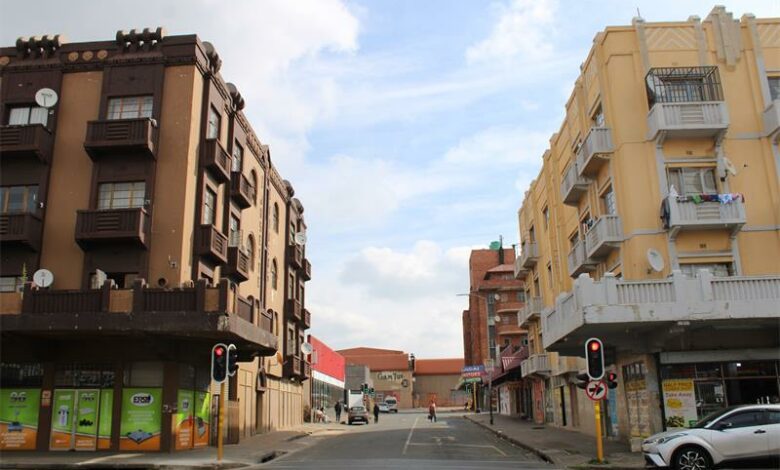
The Springs Advertiser earlier this month reported on calls to restore Springs’ Art Deco buildings, many of which are deteriorating despite their historical significance and potential to boost tourism.
In response, CoE spokesperson Zweli Dlamini said the municipality recognises Springs as one of South Africa’s most significant heritage precincts and remains committed to protecting its collection of Art Deco buildings through policy development, stakeholder engagement and conservation initiatives.
He outlined the steps the city is taking to preserve the town’s architectural heritage, and revealed that one of the key measures already undertaken is the identification and documentation of 10 privately owned Art Deco buildings in the Springs CBD during the 2025/26 financial year.
According to Dlamini, these buildings are being considered for formal heritage declaration.
“Formal declaration will provide these historically significant buildings with statutory recognition and protection against inappropriate alteration or demolition,” he said.
He added that a conservation management plan for the identified buildings has been incorporated into the draft City of Ekurhuleni heritage policy, which will be submitted to council for approval.
ALSO CHECK: VOX POP: Veritas College learners share what Mandela Day means to them
“Once adopted, the policy will provide a strategic framework to guide the long-term conservation, management and sustainable use of the city’s heritage resources,” he explained.
Recognising that many of Springs’ historic buildings are privately owned, Dlamini said the municipality plans to convene a stakeholder engagement during the current financial year to strengthen partnerships with property owners, heritage organisations and other interested parties.
“The department continues to work closely with community-based organisations, including the Springs Heritage Society and the Springs War and Military Museum, to advance heritage conservation, promote public awareness, encourage community participation and foster a shared sense of responsibility for protecting Springs’ unique architectural and cultural legacy,” said Dlamini.
Although the city has not yet developed a dedicated heritage management or restoration plan specifically for the Springs Art Deco precinct, he said the draft heritage policy includes provisions aimed at protecting the buildings and ensuring future restoration work complies with heritage legislation.
“In particular, Section 7.8 of the draft heritage policy provides that: All Art Deco buildings shall not be altered, demolished, or defaced without the prior approval and the requisite permit issued by the Provincial Heritage Resources Authority Gauteng (PHRA-G).
ALSO CHECK: Community invited to restore Springs Civic Theatre precinct on Mandela Day
“This requirement applies equally to Art Deco buildings and monuments situated on both public and privately owned properties,” he said.
Dlamini said the Springs Fire Station continues to be well maintained because it remains operational and enjoys statutory protection. However, preserving other historic buildings has proved more challenging.
“Restoration and maintenance programmes do not always adequately address the specialised conservation requirements applicable to heritage resources that are more than 60 years old,” he said.
Dlamini also admitted that some municipal heritage buildings have previously been altered without following the required heritage processes.
“In some instances, maintenance, alterations or demolition of older municipal buildings have proceeded without the necessary heritage approvals or permits from the relevant heritage authorities and without the undertaking of heritage impact assessments where required.
“This has, in certain cases, compromised the heritage significance and architectural integrity of some of the city’s historic buildings.”
He noted that preserving privately owned Art Deco buildings is a challenge as unauthorised internal alterations are often difficult to detect before damage to the buildings’ heritage features has already occurred.
ALSO CHECK: Vischkuil CPF says burst pipe and damaged road delayed access to house fire
In addition, he confirmed that there is currently no dedicated budget specifically allocated for the restoration and conservation of Art Deco buildings.
“The majority of the deteriorating Art Deco buildings within the Springs Central Business District are privately owned,” Dlamini said.
He explained that legislation generally prevents municipalities from using public funds to restore privately owned heritage buildings unless there is a legal mandate and a formal agreement in place.
Despite these challenges, the municipality believes Springs’ Art Deco architecture has the potential to become a major tourism and economic driver.
Dlamini revealed that the CoE has already engaged with the Springs Chamber of Commerce and other stakeholders to develop a strategy that positions the town’s architectural heritage as a catalyst for tourism growth, investment and urban regeneration.
The city is working closely with the business community to explore innovative initiatives, including the development of heritage walking tours, cultural festivals, adaptive reuse of historic buildings, heritage interpretation programmes, public realm improvements and strategic marketing campaigns that celebrate the distinctive identity of Springs.
According to the city, these initiatives aim to preserve Springs’ architectural heritage while creating employment opportunities and encouraging private sector investment in the CBD.
The municipality also revealed plans to introduce digital heritage markers on identified Art Deco buildings.
Visitors and residents will be able to use QR codes to access historical information, architectural details, archival photographs and other heritage content through their mobile devices.