Stick to Covid-19 guidelines advises doctor
No need to panic if diagnosed with Covid-19, says doctor
The rise in Covid-19 infections and deaths in the country has scared some people into thinking the virus is untreatable.
Last Sunday, the country recorded over 4 000 deaths due to the coronavirus.
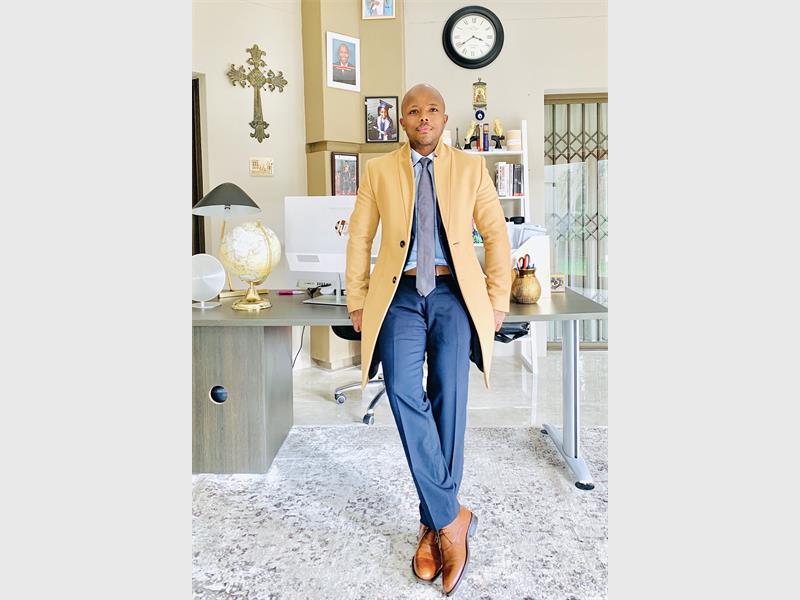
According to Dr Nkosinathi Luthuli, a specialist physician at the Life Springs Parkland Hospital, Covid-19 is not a death sentence.
Also read:
Life Springs Parkland Hospital ready to admit patients
Luthuli, who has nine years of experience as a specialist in the field of critical care medicine and has been with Parkland since 2012, says Covid-19 is not the first pandemic he and his colleagues in the medical field have faced.
Did you ever expect to be working on the frontlines during a global pandemic?
The Covid-19 pandemic is not the first I’ve encountered as a medical doctor; HIV/Aids is a pandemic that has been with us for years and we’ve had other flu/viral outbreaks like H1N1.
The pattern is not that different, but the section of the population affected tends to differ.
The previous pandemics (air and droplet borne) have been tackled through quarantine of the identified sick/infected people.
It is the first time an entire country and practically the whole world has been quarantined irrespective of the infection status.
What has your experience of Covid-19 been like?
We, the frontline medical workers, have been aware of the impending explosion of infections and have done what is practically possible to prepare, that is the precious time and opportunity the lockdown bought us.
At Parkland, we have established and implemented a system whereby patients are triaged on arrival, utilising an outdoor facility (tent) outside the casualty department to prevent cross-transmissions and infections.
High-risk patients and those confirmed with Covid-19 infection are then issued with masks and transported directly to a designated Covid-19 ward.
There, they’re isolated, screened, tested and treated.
All medical, nursing, catering and cleaning staff entering this ‘red’ zone are required to wear full PPE – head nets, N95 masks, face shields, disposable gowns, gloves, shoe covers and shoe soles dipped in an alcohol-based washing solution-filled basins.
Upon exiting the ward, all the PPE is promptly discarded in the medical waste bin, which is sealed and removed from the hospital by designated expert service providers.
The staff would then wash hands, clean and sterilise them with alcohol-based disinfectant solution.
The doctors’ rooms have hand sanitisers and we have limited person-to-person contact by asking the patients to use a designated outdoor waiting area where social distancing is practised or in their vehicles while waiting for the doctor.
How different has it been treating patients during the outbreak given the rules around Covid-19, like social distancing?
These measures are extensive and comprehensive but challenging as well in terms of time, effort, cost of wearing, removing PPE, sanitising and changing masks and face shields.
This is particularly so in the ICUs when we have emergencies and every second counts.
There are certain medical procedures that are also riskier than others, e.g. laryngeal intubation (insertion of a breathing tube to the patient’s lungs to connect to a ventilator for mechanical ventilation – life support), diagnostic procedures like bronchoscopies and gastroscopies.
Some of these have had to be limited or suspended to protect the staff members.
Elective procedures, including surgeries, have had to be limited and at times suspended, and this is a big challenge because elective does not mean unnecessary.
An elective colonoscopy could help diagnose cancer before it becomes invasive and untreatable.
At Parkland, fortunately, we have resumed some semi-elective surgeries to maintain the high level of care while we’re also tackling the epidemic.
The biggest challenge is dealing with a new disease, the treatment guidelines of which are evolving in real time.
My passion is the provision of the highest quality care, according to the best international standards and norms and currently the target is constantly moving.
Dealing with a critical patient while we are unable to engage their families and loved ones due to the distancing guidelines challenges us ethically and emotionally as well.
Do you think people are taking Covid-19 seriously?
It is saddening to see some members of our communities not complying with the public health rules and guidelines regarding social distancing, wearing of masks, limited inter-personal interaction and gatherings.
They are not only putting themselves in harm’s way, but the people who pay the price would often be the innocent ones.
Acquiring the infection and having a disease are two separate things.
The current official record of infection stands at 276 242 (on Sunday), but the actual number of infected persons is much higher, with estimates of up to 10 times higher.
Most people with the virus will either have no symptoms or a mild cold/flu.
Certain groups, like the elderly, the obese, those with other diseases like Type II Diabetes, HIV/Aids, cancers, autoimmune diseases, asthma, emphysema, heart and kidney diseases, tend to develop a much worse disease often requiring hospitalisation, intensive drug therapeutic regimen, ventilation or high-flow oxygen support and clot prevention.
Also read:
Life Parkland Hospital Springs confirms no Covid-19 death at their institution
They will proceed to have complications like respiratory failure, multi-organ failure, multi-organ clots/thromboses, secondary infections and even death.
These are the people paying the high price for lack of compliance, carelessness and the dismissive attitudes of the deniers.
What precautions should they be taking?
Our plea to the public is to adhere to the now widely available and known social distancing and hygiene guidelines as published by the government from hand washing, keeping distances in public places to at least 1.5m, covering with masks at all times in public to avoiding unnecessary gatherings and maintaining a healthy lifestyle, avoiding alcohol, drugs and cigarette smoking.
It is particularly important for those with chronic diseases to check in with their doctors/clinics and ensure they are well controlled, adhere to the medication and report symptoms early.
What would you say to people who think testing positive for Covid-19 is a death sentence?
We at Parkland have had numerous success stories of critically ill patients recovering and making it back home to their families.
Since the surge began about three weeks ago, dozens of patients with moderate and severe infections have been treated and discharged and have a made complete recovery.
Treatment is available and we’re here to serve our communities.
A great deal of work has gone towards putting in places measures to minimise complications and deaths, and these are working very well.
We are in constant contact with the Department of Health, our colleagues in other institutions and regions and are sharing lessons and experiences constantly, and this has resulted in rapid improvements in the quality of the care we are providing.Covid-19 is not a death sentence.
Follow us on social media: