Planact to help informal settlement communities
Asivikelane calls for more voices of informal settlement residents during the Covid-19 crisis.
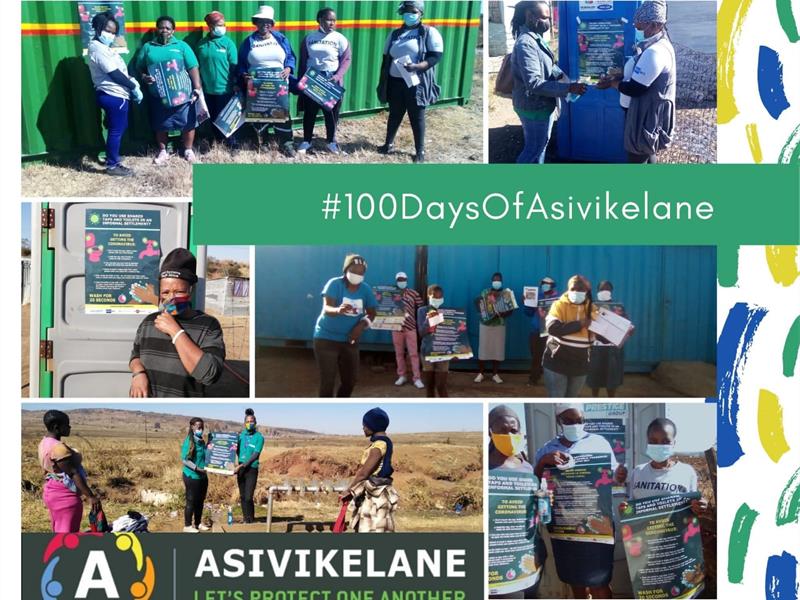
Over half a million Gauteng residents living in the province’s 181 informal settlements still dream of the services other South Africans take for granted.
With the Covid-19 curve infection rate at peak in Gauteng, shared water and toilet facilities make these informal settlement residents extremely vulnerable to infection.
“It is critical that this portion of our society is protected as some informal settlements are now Covid-19 hotspots and their efforts to engage with the municipality have been met with a slow response,” said Planact’s senior programme coordinator, Mike Makwela.
Also read:
ANC in Ekurhuleni visits various informal settlements to address service delivery challenges
Planact is a local NPO established in 1985 to promote transparency and accountability at local governance level.
“We are calling on informal settlement residents in the City of Ekurhuleni to join the initiative and improve service delivery in their own communities.
“With over a 100 days since the initiative started, Planact have seen the City of Ekurhuleni become more responsive in attending to the results we share from our initiative called Asivikelane, which means let’s protect each other in IsiZulu.
“We want to keep that momentum and assist more communities,” says Makwela.
The Asivikelane initiative gives a voice to informal settlement residents in South Africa’s major cities who are faced with severe basic service shortages during the Covid-19 crisis.
“Over the past three months, residents have been answering questions about their access to water, safe public lighting as well as clean toilets and waste removal.
“The results are published bi-weekly and shared with relevant municipalities and national government departments to enable swift government response.”
Municipalities have minimum standards for the frequency of toilet cleaning and water provision but in the context of Covid-19 this standard is likely to be insufficient.
Also read:
KwaZenzele informal settlement residents protest for houses
This endangers the lives of these residents daily, and during a pandemic, the lives of all South Africans.
“The National Treasury found more than R5-billion to allocate to informal settlement services, and some metropolitan municipalities are finding innovative ways to distribute hand sanitiser and clean shared toilets daily.
“Reading the latest auditor-general report shows that pouring more money into the leaky bucket of local government service delivery systems will not translate to better services.”
Makwela said this is where the Asivikelane campaign comes in to helps those closest to the problem – informal settlement residents – to monitor the delivery of services and begin a dialogue with the government to ensure scarce public money goes to those who need it most, and is spent efficiently.
Community leaders can use the following details to reach Planact: Website – www.planact.org.zaEmail – Mike@planact.org.za
Follow us on social media: