
Cervical cancer ranks as the fourth most common cancer among women worldwide
The optimal time to get the vaccine would be usually between the ages of nine and 14 years.
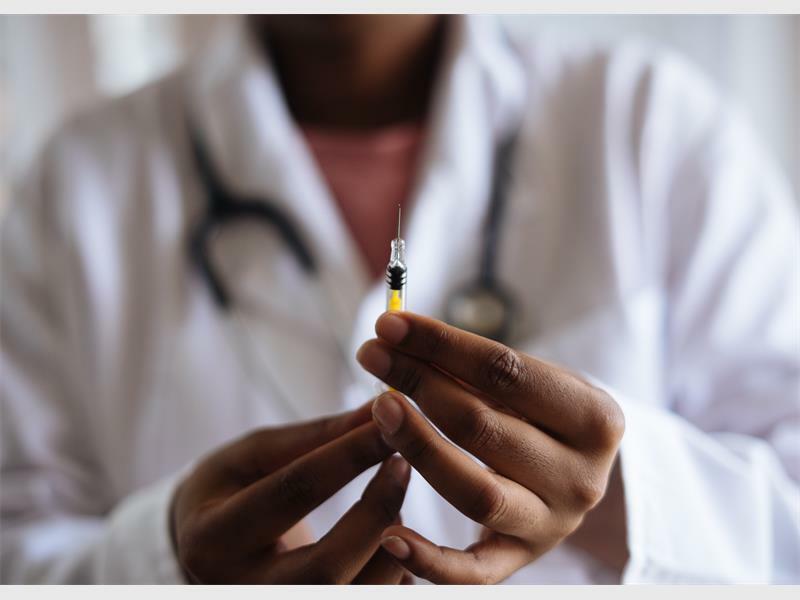
In South Africa, cervical cancer is the second most common cancer among women between 15 and 44 years of age.
More than 95% of cases of cervical cancer are caused by human papillomavirus (HPV).
HPV is the most common viral infection of the reproductive tract.
While most HPV infections (more than 90%) naturally clear up without causing harm, there remains a real risk of HPV infection leading to cancer.
It’s quite alarming to learn that nearly 6 000 women in South Africa lose their lives to cervical cancer each year.
Men aren’t immune either and are also at risk of developing penile, throat, and anal cancer due to HPV.
South Africa’s new weapon in its arsenal
HPV vaccines target HPV types 16 and 18, responsible for 70% of cervical cancers.
There is a 9-valent vaccine that offers even wider protection, and now available in South Africa.
It is important to note that cervical cancer is not only caused by 16 and 18, but other HPV types are also culprits. They are included in the 9-valent vaccine.
Also read: How to treat warts in children
Zweli Bashman, managing director MSD SA & SSA, said, “Our mission with the introduction of the vaccine to the South African market re-affirms our commitment to the elimination of HPV.
“We live in a region with the highest HPV prevalence, highest cervical cancer incidence and accounting for the highest mortality rates in the world.
“This makes it our mission as an innovative medicines company to ensure that we bring the best available vaccines to our market.
“We are actively and continuously working with all key stakeholders to find ways of expanding access and enhancing the protection of individuals, empowering them to lead healthier lives free from the risks of HPV-related diseases.”
The vaccine offers comprehensive protection against nine types of HPV, including the types most associated with cervical cancer, types 16 and 18 and two low-risk types – 6 and 11.
In comparison to the quadrivalent vaccine, this vaccine goes the extra mile, safeguarding against five other high-risk cancer HPV types (31, 33, 45, 52, and 58).
People living with HIV are six times more likely to get cervical cancer. An astonishing 85% of women diagnosed with cervical cancer and HIV live in sub-Saharan Africa.
Also read: Why you should discuss HIV with your teenager
This statistic highlights the significant impact of HIV on the prevalence of cervical cancer within our country.
Accessing the HPV vaccines is convenient and hassle-free. The HPV vaccine does not require a prescription, making it easily obtainable.
Healthcare providers across South Africa offer vaccination services, allowing you to schedule an appointment and receive the vaccine during routine healthcare visits.
Getting vaccinated before being exposed to HPV is highly recommended.
The optimal time would be usually between the ages of nine and 14 years.
The good news is that the 9-valent vaccine is approved for both males and females up to the age of 45 years old.
By vaccinating everyone, we can further reduce the overall burden of HPV-related cancers and safeguard the health of our communities.