Civic education programme at Epilepsy SA strengthens inclusion and voter awareness
Residents received information on voting, identity documents and government services during a civic education programme aimed at strengthening inclusion.
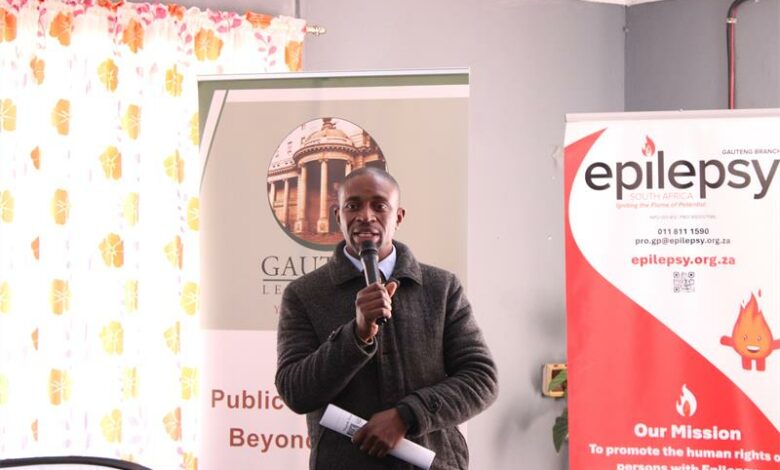
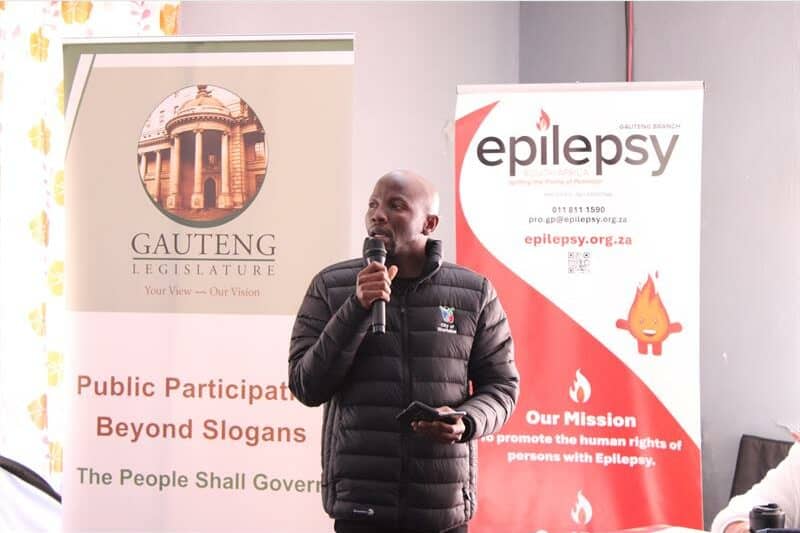
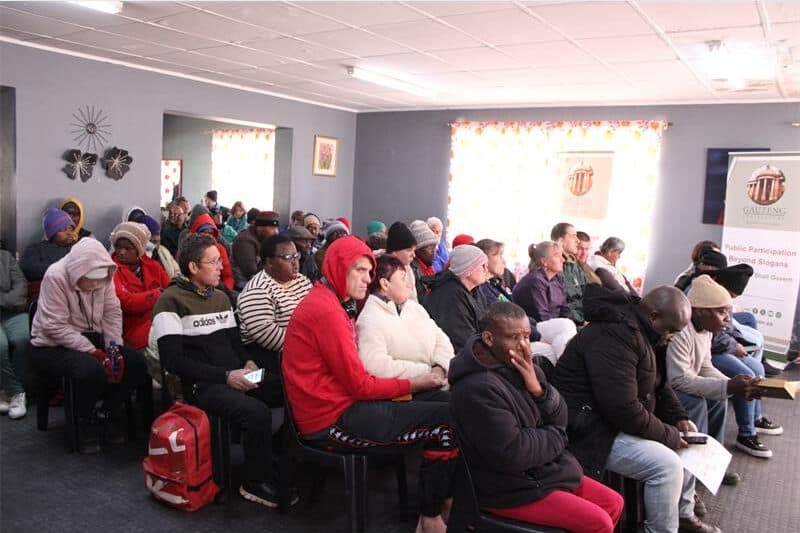
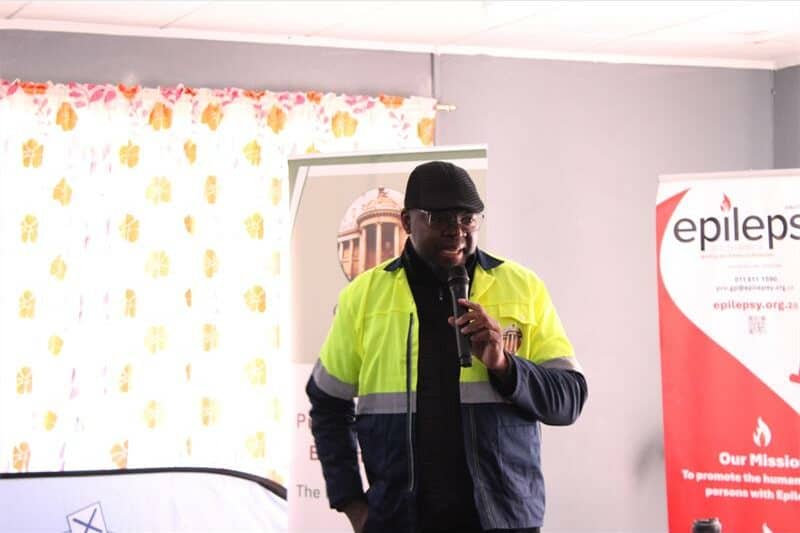
The Epilepsy SA centre in Geduld, Springs hosted a civic education programme on July 3 aimed at promoting democratic participation among people living with epilepsy and other disabilities, while strengthening partnerships with government departments and non-profit organisations.
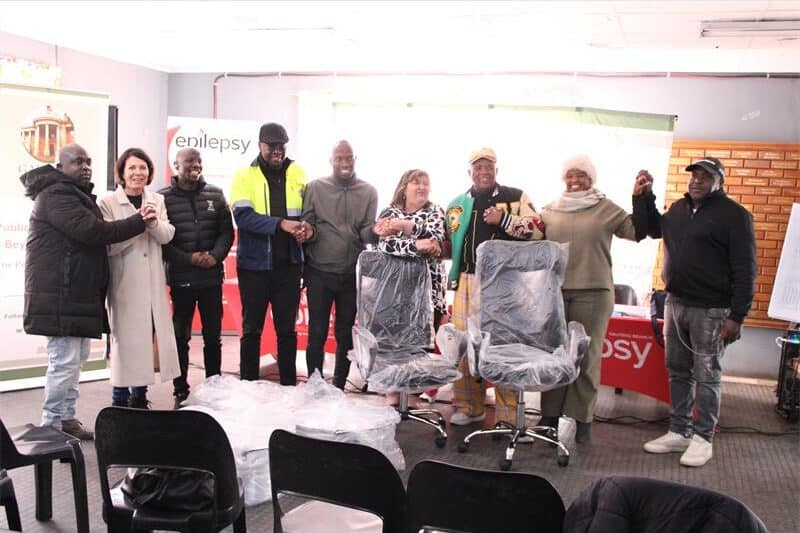
The event brought together representatives from the Gauteng Provincial Legislature (GPL), City of Ekurhuleni, the Independent Electoral Commission (IEC), the Department of Home Affairs and community stakeholders to educate residents about voting, provide identity document services and hand over donations to the centre.
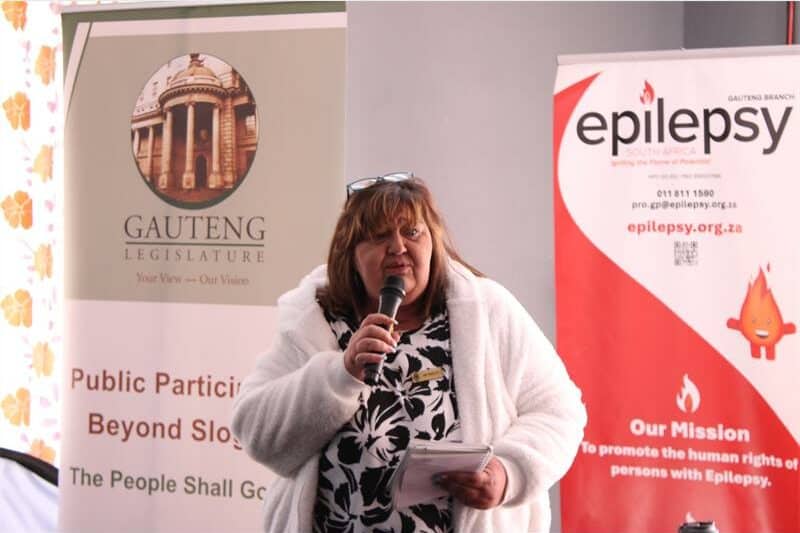
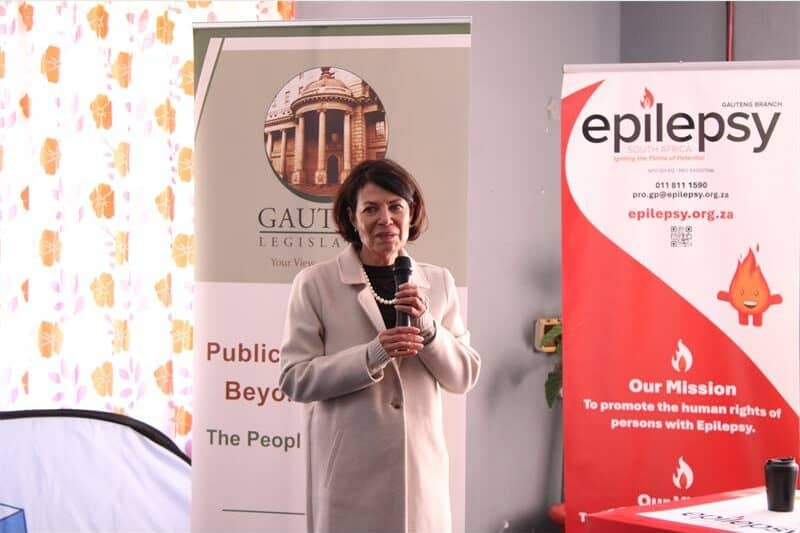
Speaking to the Springs Advertiser, centre director Aileen Langley said the programme was significant because it not only gave the organisation greater exposure but also made residents feel valued.
“I don’t think people really understand what we do here. For the residents, it makes them feel important that someone like the legislature comes to our centre,” she said.
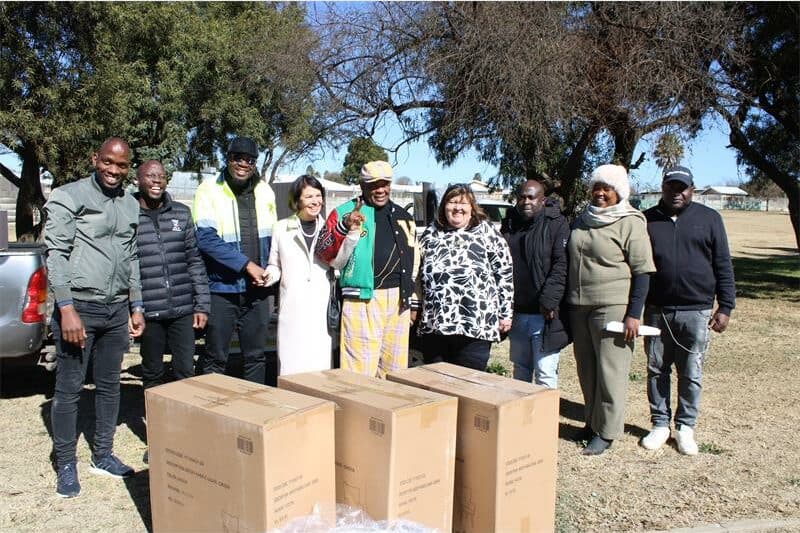
Langley said the legislature had also committed to supporting the organisation through future projects.
She explained that the Epilepsy Centre is one organisation operating across its Springs, Daggafontein and Johannesburg facilities.
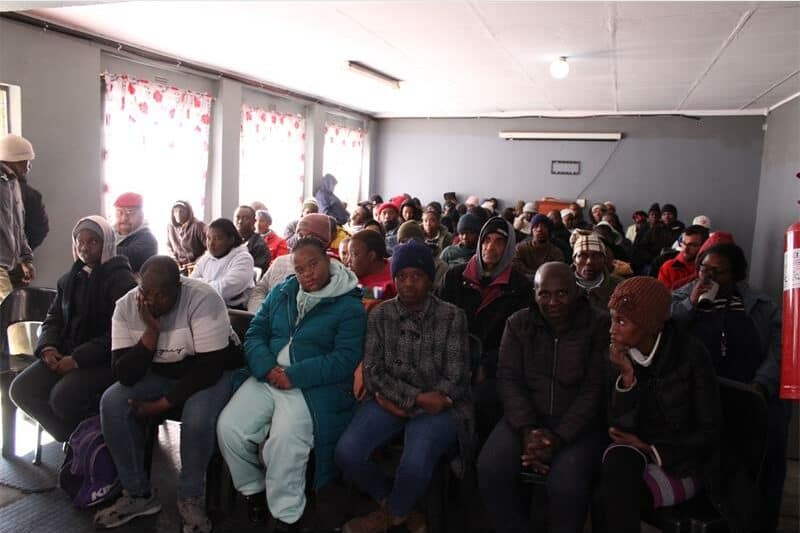
Langley welcomed the involvement of the IEC and the Department of Home Affairs, saying many residents needed assistance with identity documents and understanding the voting process ahead of the upcoming local government elections.
“Some of our residents were able to register, but others are still waiting for IDs after applying months ago. We also wanted the IEC to explain voting in a way our residents could understand,” she said.
ALSO READ: Gauteng surpasses HIV prevention target with Lenacapavir rollout
She said programmes like the civic education initiative remind people living with epilepsy that they are equal members of society.
“Our people are important as well. They are human beings and they understand a lot more than what we think. The more they can be included in society, the better for them.
“Our most important goal is to make sure our residents are safe, healthy and happy,” she said.
She also highlighted the centre’s work in communities to fight the stigma surrounding epilepsy. Langley encouraged the public to support the centre in practical ways beyond financial donations.
She said donations of wool for knitting and crocheting, sports equipment and birthday gifts for residents would have a meaningful impact on their wellbeing.
Gauteng Provincial Legislature’s Dr Tlou Chokoe, told the publication that the visit formed part of activities marking Nelson Mandela Month while also fulfilling commitments made to the centre during a previous visit.
“We made promises last year and felt it was important to come back and account for whether we had delivered on those promises rather than making new ones elsewhere,” he said.
Chokoe said the Department of Social Development continues to fund the Epilepsy Centre’s residential care, social work and protective workshop programmes. He added that government relies on non-profit organisations to extend services to communities because the department’s own capacity is limited.
“NPOs like the centre play a pivotal role because they have many hands. They help us reach people living with epilepsy in communities where government alone cannot.”
With local government elections approaching, Chokoe stressed that people living with epilepsy have the same democratic rights as every South African.
“The Constitution says every person over the age of 18 has the right to vote. People living with epilepsy have the right to elect leaders who they believe will represent their needs and wishes,” he said.
Chokoe welcomed the presence of Home Affairs and the IEC at the event, saying their services would help residents obtain identity documents, register to vote and participate fully in South Africa’s democracy.