
Book review: Who put this song on?
This thought-provoking novel examines the world of 17-year-old Morgan Parker (named after the author), a self-proclaimed “super-emo” teenager living with anxiety and depression in Southern California.
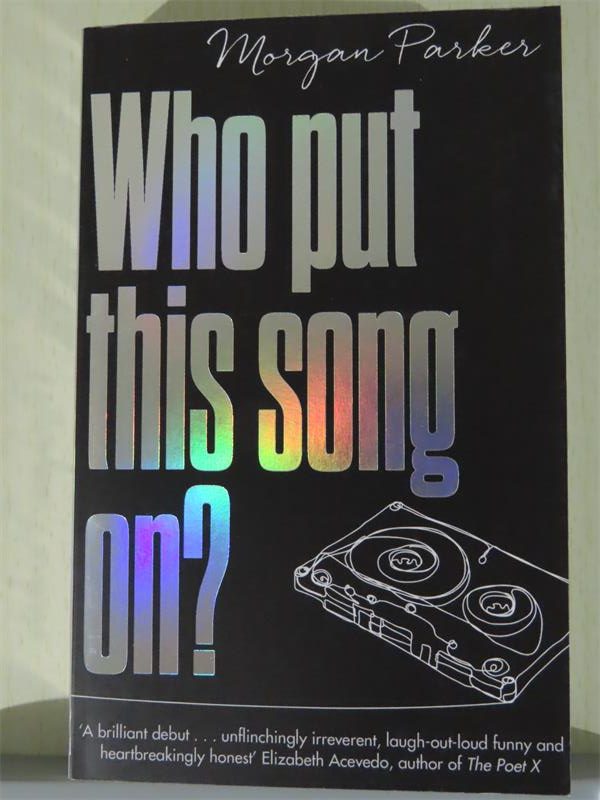
Book: Who Put This Song On?
Author: Morgan Parker
Reviewed by: Samantha Keogh
Review made possible by: Jonathan Ball Publishers
This thought-provoking novel examines the world of 17-year-old Morgan Parker (named after the author), a self-proclaimed “super-emo” teenager living with anxiety and depression in Southern California.
Her struggle is set against the backdrop of the 2008 American presidential election, a time when Morgan, one of only a handful of black children at her school, regularly experiences racism from both her teachers and peers.
She refers to her conservative Christian school as a “high school inside a church inside a PacSun” and describes the jibes levelled at her about the music she listens to and the clothes she wears, and in a not too subtle way, comment on the fact that she doesn’t fit into their preconceived notions of how a black learner should act.
After a devastating event the previous summer landed her in therapy and on antidepressants, Morgan is determined to “get happy” and learn to love her “intense, ridiculous, passionate and sometimes hilarious” self and her blackness, whatever it takes.
When the election and a project for history class show Morgan how much she doesn’t know about black history, she decides to educate herself and her classmates on what it means to be black in America.
Drawing on her own teen experiences, Parker (the author) discusses the themes of respectability and presentableness, the stigmas associated with discussing mental health issues in the black community and among young adults, and societal, as well as internalised, societal racism.
It is a rather dark and heavy read and, while this book is billed for children from 12 years of age, a friend with a 12-year-old daughter felt that for some tweens the subject matter is a little heavy and depressing.
She felt the book would be better suited to 15-year-olds and older who have a better developed sense of self and understanding of world politics, stigmas and stereotyping – both in America and South Africa.
Follow us on our social media platforms: