
Approximately R595m spent in 22 years, but Alexandra residents still battle outages
Nearly R600 million spent in over two decades, but Alexandra residents say they're still battling blackouts, broken meters and silence from City Power.
City Power has invested about R595.7m into various projects in Alexandra between 2003 and 2025, City Power revealed.
The power utility said the outlay covered the normalisation programme, remote metering, auto-prepaid metering rollouts, normalisation initiatives across various avenues, and street lighting, among other projects.
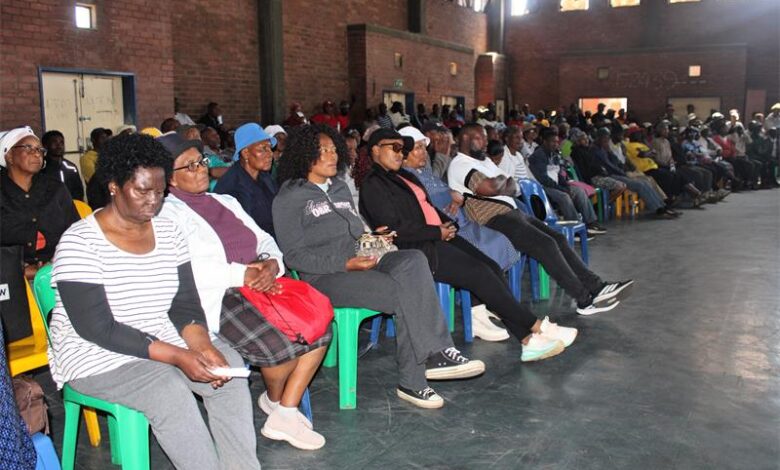
Yet more than two decades on, residents at a recent electricity imbizo on August 18 at AlexSan Kopano said they are still plagued by outages, billing challenges and patchy communication from the utility.
Read more: City Power staff robbed at gunpoint
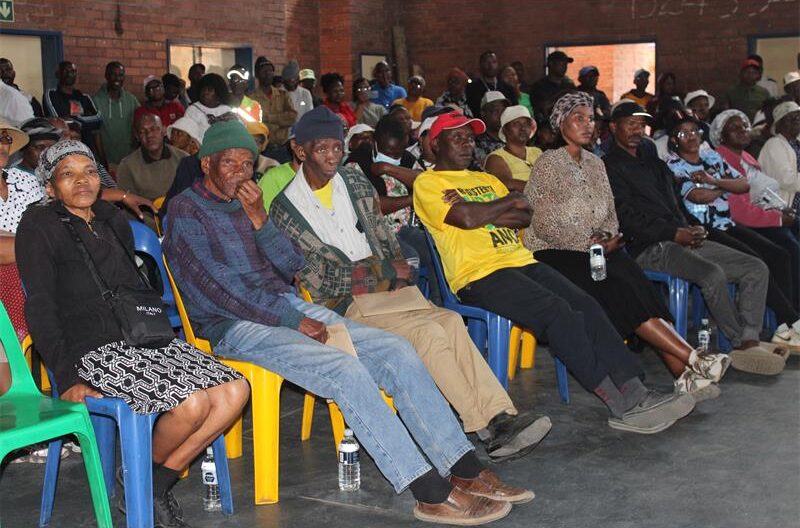
Ward 105 resident Thulani Mashatola said transformers in her area keep tripping without explanation, leaving residents without power from as early as 3pm until as late as 10pm. She added that people in her area are also grappling with billing problems linked to faulty meters.
The imbizo served as a crucial platform for residents to raise their many electricity-related grievances. Some felt that frequent outages, linked to network overloading, make it impossible for them to enjoy uninterrupted electricity supply.
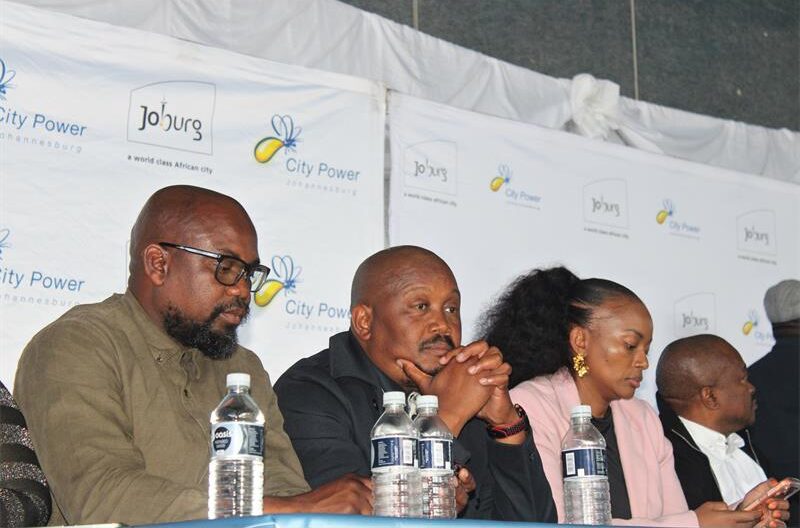
Despite the challenges, Executive Mayor Dada Morero emphasised that the city’s main aim is to ensure residents have access to safer, affordable electricity, and that they purchase it as they should.
But affordability, for residents like Mashatola, is precisely the problem. She pointed to unemployment as a major burden on households in the area. “We are struggling. I am young and unemployed. Then you would expect me to buy electricity, with what money, Sassa grant?” she asked. “What are children going to eat?”
While some residents reported frequent, hours-long outages, others described being left in the dark for months on end. Resident Mthetheleni Lukhayeni said his area has gone without electricity for seven months despite repeated attempts to get help.
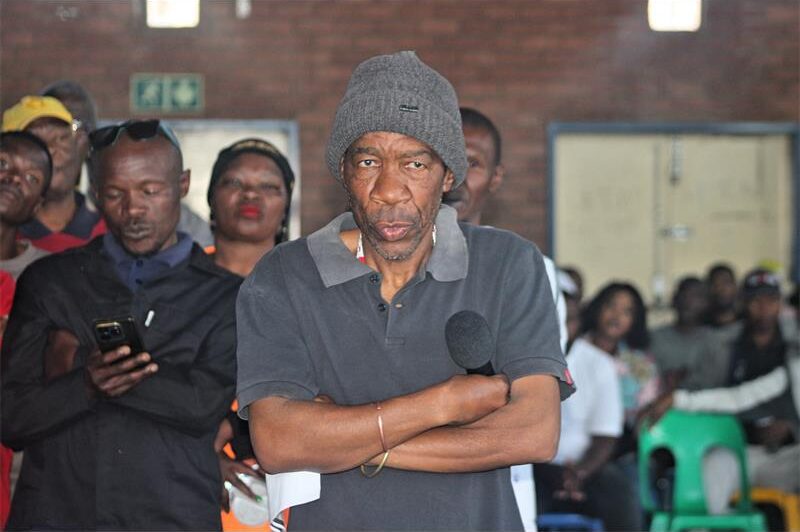
These accounts reflected only a handful of the issues raised at the imbizo, which also included rampant illegal connections along Vincent Tshabalala Road and continued network overloading.
Morero acknowledged the challenges facing Alexandra but cautioned that they cannot be resolved overnight. Some require routine repairs and maintenance, he said, while others require full infrastructure replacement, upgrades or other long-term interventions.
“What matters is that these issues are identified, properly assessed and followed through by City Power,” he said.
By City Power’s own account, the utility has invested heavily in Alexandra and continues to do so. Yet residents said the spending has, in some instances, struggled to translate into results on the ground. They pointed specifically to stalled electrification efforts in areas including Vukani and Mahauzana. Although the scale of the investment reflects the utility’s stated commitment to extending reliable electricity access, for many residents, lived experience tells a different story.
Also read: Mahauzana leaders welcome City Power’s temporary electricity solution
“We must judge our efforts by what residents ultimately experience, which should be fewer interruptions, better network performance, more responsive service, protected infrastructure and a more sustainable electricity system,” Morero said.
The financial picture underlines the scale of the problem. City Power said it currently spends about R250m a month supplying power through the Alexandra network, while it collects only around R29m. This is a monthly deficit of roughly R221m that represents a massive loss for the utility.
The challenge now, according to the entity, is ensuring the investment they have made over time translates into sustainable improvements in electricity supply and a return on investment.
“We cannot simply continue investing in infrastructure without addressing the conditions that undermine those investments. Normalisation must be followed by sustained compliance, legal electricity purchases and protection of the network,” Tlouane said.
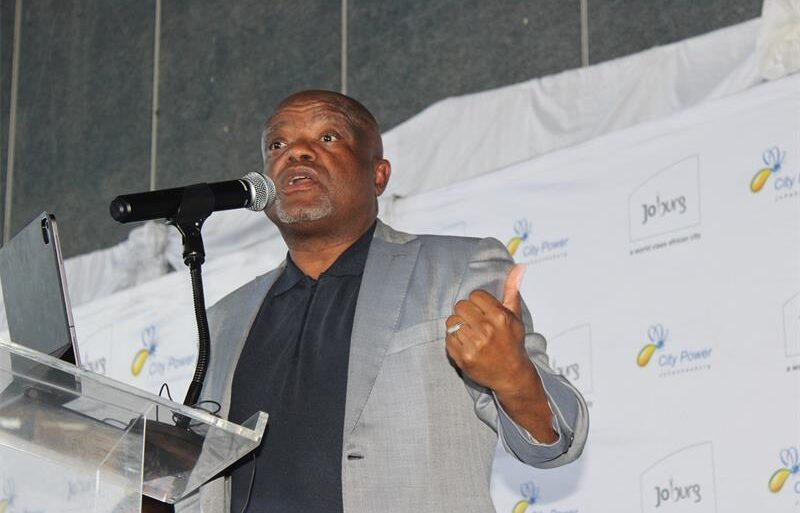
In practice, this means customers who have been consuming electricity for free will now be required to pay for what they use, or register for the expanded social package if they cannot afford to.
Meanwhile, City Power’s stance on illegal connections has hardened. Jack Sekwaila, Member of the Mayoral Committee for Environment and Infrastructure Services, confirmed that illegal connections will continue to be disconnected. This was seen during the utility’s recent disconnection operation on 12th Road in Kew.
City Power’s own figures lay bare the scale of the challenge. The utility indicated that the Alexandra network serves an estimated population of more than 38 577 consumers, but there are about 2 382 customers who are buying electricity. City Power previously placed the number of people who were purchasing electricity at about 1 600 in June.
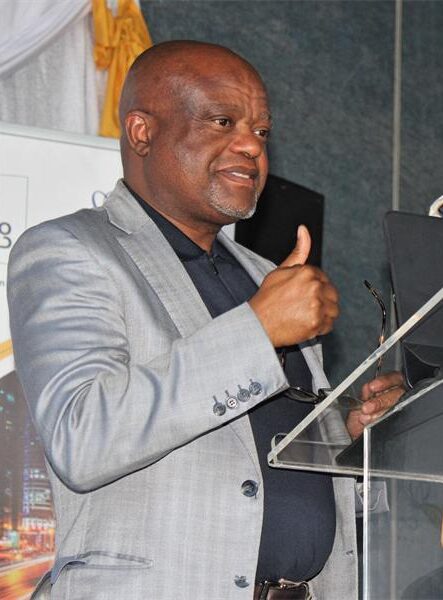
Residents themselves acknowledged that illegal connections are a problem, but alleged that some City Power employees are complicit in enabling them. Tlouane warned that any employee found facilitating illegal connections would be dismissed.
“A person who is coming and saying they connect illegally, and you agree, then you are both committing a crime. It is a message we need to send to our employees, and we are sending it. We will dismiss, we will fire people, where it is found that that happened,” Tlouane said.
Going forward, City Power has committed to intensifying metering audits, removing illegal connections, and targeting areas with recurring outages.
Follow us on our WhatsApp channel, Facebook, X, Instagram, and TikTok for the latest updates!