NICD connects science and society at Pholosho School
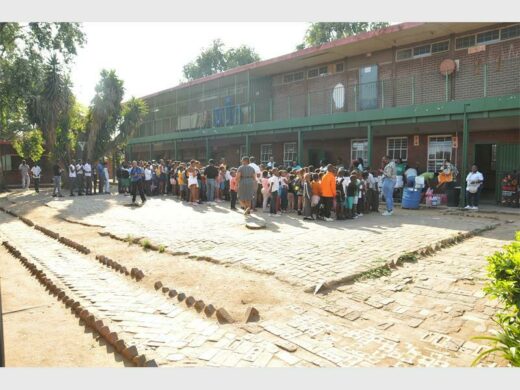
Learners at Pholosho Junior Secondary School are given a rundown of the importance of handwashing to avoid the transmission of diseases from one person to the other.
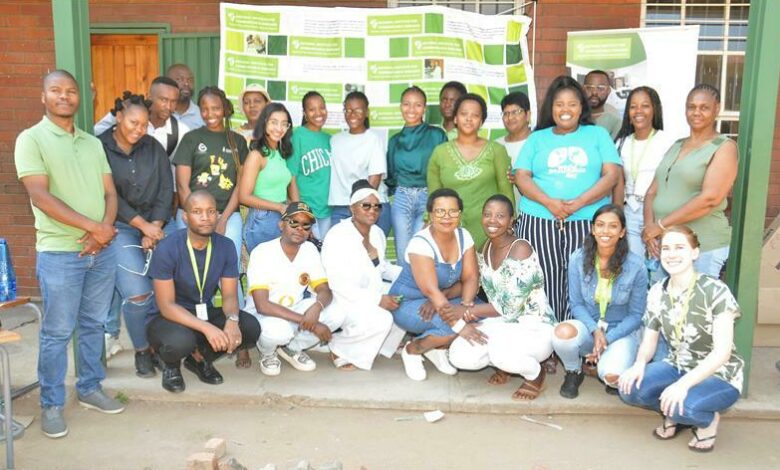
Learners at Pholosho Junior School in Alexandra are much wiser when it comes to communicable diseases and how to reduce their impact on the community.

This followed a visit by the National Institute for Communicable Diseases (NICD) to the school as part of its first-ever corporate social initiative (CSI) programme at the school and also to bridge the gap between scientific discoveries and the impact it has on communities.

Guided by its newly found principle ‘from scientific discoveries to community impact: connecting science and society’, which underscores the institute’s commitment to make scientific breakthroughs accessible to the broader community.
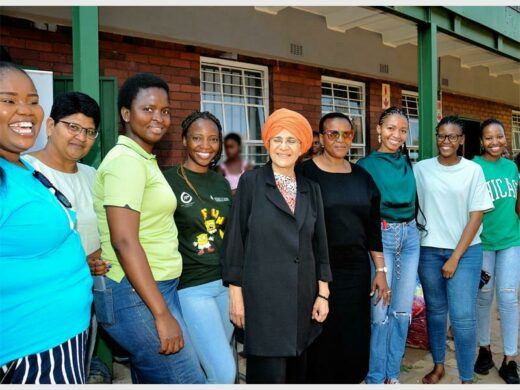
This commitment materialised through a collaborative educational initiative between the institute and the school to strategically bridge the gap between scientific insights and the daily experiences of school learners and educators and the NICD went beyond a programme launch and instead established what it called a tangible connection between scientific endeavours and societal contexts, leaving a lasting impact on all participants, an NICD statement said.
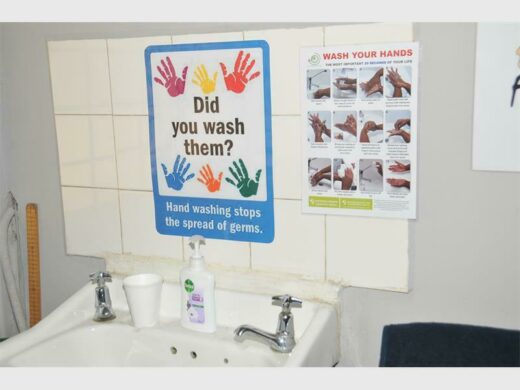
The NICD did not come empty-handed but communicated the essence of their role with a donation of hand hygiene equipment and toiletries. The NICD said this underscored the pivotal nature of handwashing and maintaining proper hygiene.
It offered a comprehensive guide to this fundamental practice and assessed the learners’s comprehension of the day’s essential hygiene lessons.
As a source of knowledge on communicable diseases across the Southern African Development Community (SADC), the institute said it will continue to translate scientific knowledge into pragmatic action across communities.