
Alex residents are taught how to eat healthy to avoid diabetes on World Diabetes Day
The City of Johannesburg and stakeholders took important information on managing diabetes to the heart of the township to share insights that could potentially save many lives.

Most youths who weren’t born with diabetes tend to regard the disease as one which only plagues older people, forgetting that time waits for nobody to realise how swiftly it flows.
The celebration of World Diabetes Day on November 14 at the East Bank Clinic in Alexandra served as a collaborative reminder to community members how quickly weeks turn into years, and how the lives people lead in their 20s catch up with them two decades later.
Read more: Alexandra gains diabetes awareness this World Diabetes Day
The clinic, which is an entity of the city, hosted the event, which centred around ensuring that community members understood the work required for successfully managing diabetes.


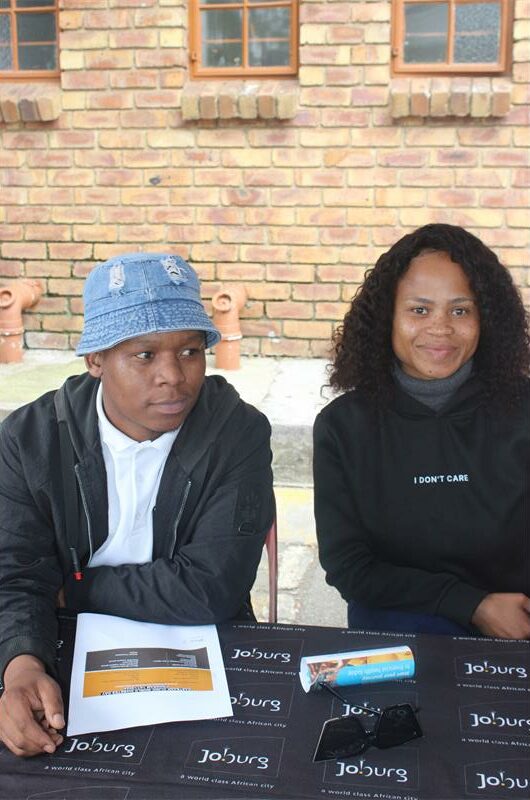
Speaking on how preventing diabetes is as important as managing diabetes through diet, lifestyle, and treatment, the city’s health promotion operational manager, Velisha Thompson, listed foods that are highly processed, high in sugars, and high in fat as major contributors to diabetes.
“Another issue is lack of physical activity. We choose to rather sit on our phones, instead of walking. People say gyms are expensive, but we can do other types of exercises, and move our bodies,” Thompson said. “We can take preventative measures earlier, before we get to the age of 40 and 50, when people are generally diagnosed with diabetes, with lifestyle modifications.”
Also read: What are the signs of type 1 diabetes in children?
Explaining how most chronic conditions start after the age of 40, Thompson pointed out how, before that, as youngsters, our metabolism works faster.
“[Younger] bodies can break down glucose much easier than if you’re 40 and above,” said Thompson, encouraging people to screen themselves from as early an age as they’re able to. “Screening is very important. As you start hitting your 40s, it should be done more often. It should be done even before you’re 40, but, after 40, you should start taking your screening test more regularly.”



Thompson also broke down how diabetes is a chronic condition that’s regarded as part of the quadruple burden of non-communicable diseases in South Africa, like high blood pressure (HBP), or asthma. In its management, she advised cutting out unhealthy foods and drinks and building a diet that’s more vegetables and water, than carbohydrates and fizzy drinks.
“Whenever we have a meal, some choose to have a fizzy drink instead of a glass of water. When you have juice, dilute it,” Thompson counsels. “If you look at a diabetic’s plate, that should be the common plate for everyone – not just diabetics.
“Divide the circle of a plate into four: half of that should be vegetables, a quarter of it should be your carbs [pap, rice, pasta, etc], and a quarter of it should be your meat, whether it’s fish or chicken. Then, a small part of it should be your fats and oils [gravy, etc].”
Follow us on our Facebook, X, Instagram and TikTok pages. Join our WhatsApp group for any story ideas you may have.
Related article: Diabetes and children: Protecting your child