Deputy minister undertakes oversight inspection of Jukskei River in Alexandra
The Water and Sanitation Deputy Minister Sello Seitlholo commended the Alexandra Water Warriors for their volunteer cleanup efforts and stressed the government's responsibility to support them through empowerment and resource provision.
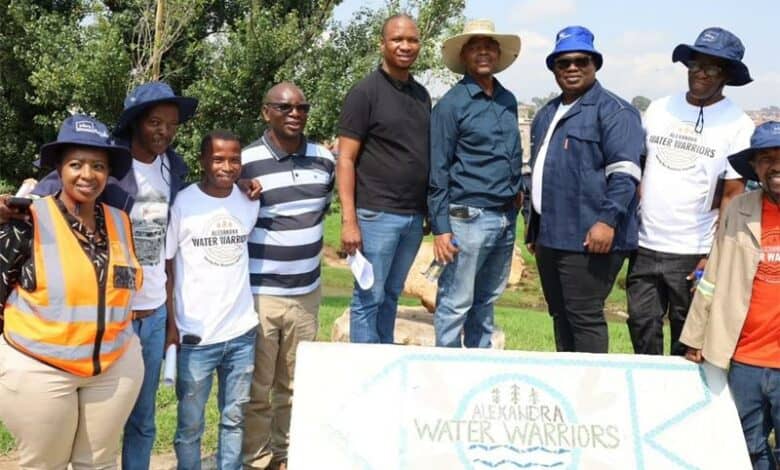
During his inspection of the polluted Jukskei River in Alexandra, Water and Sanitation Deputy Minister Sello Seitlholo emphasised the need to change residents’ attitudes and behaviour to prevent reckless damage to water and sanitation infrastructure.
Read more: Alex community pleads for urgent interventions to save Jukskei River
As the water sector observes National Water Month, the deputy minister embarked on a two-day inspection of the water courses of the Blesbokspruit Wetlands and the Jukskei River in Alex, on March 4 and 5 respectively. He also inspected wastewater pump stations in the areas.
National Water Month, an expansion of World Water Day on March 22, seeks to raise awareness on the importance of protecting and conserving water resources.
Observing overcrowding in Alex, Seitlholo noted the strain on water and sanitation networks, leading to spillages and blockages.
He stressed water’s importance for sustainable development, socio-economic progress, healthy ecosystems, and human survival, highlighting its role in disease reduction and improved public health and productivity.
Since launching the anti-pollution forum in October last year, Seitlholo has been on a drive to visit major water courses in the country, to assess the level of pollution, and the quality of the water.
Also read: Canada’s foreign affairs minister visits Jukskei River in Alex
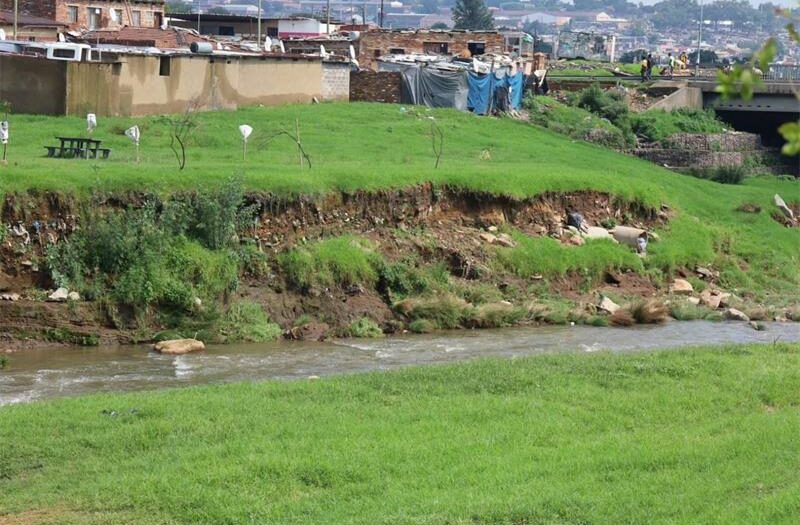
The Jukskei River, running through Alex, receives a large inflow from the Northern Waste Water Treatment Plant, in northern Johannesburg, but due to poor infrastructure maintenance by municipalities, untreated raw waste flows into the river, resulting in the river becoming heavily polluted.
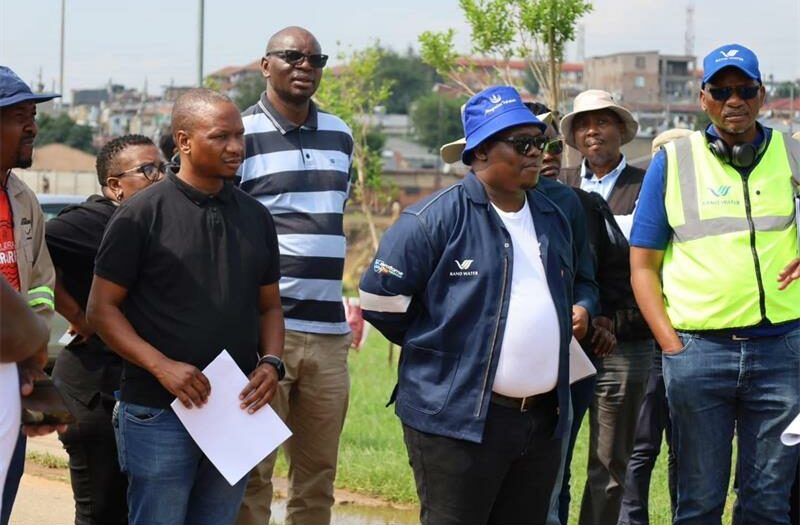
The deputy minister commended the Alexandra Water Warriors for their volunteer cleanup efforts, and stressed the government’s responsibility to support them through empowerment and resource provision.
“Government must create an enabling environment for the Alexandra Water Warriors, to be able to do the work that they need to do. Are we developing them? Are we equipping them? It’s one thing to pay people…But to be able to empower people to a point where they take ownership is a different ball game altogether,” explained Seitlholo.
He said government, through the Department of Basic Education, has to understand the kind of crises that the people are in with water pollution. “Hence [the government] needs to be in a position where they ask how they can include this issue of environmental sciences into the curriculum,” said the deputy minister. “If you don’t want to include something in a school curriculum, then, at least, have a recognised organisation that is welcomed in schools to be able to undertake this education on behalf of the government.”
The deputy minister also stated that the city, along with all other metros in Gauteng and municipalities across the country, have to be dedicated and deliberate in their efforts, where they are unapologetic about securing water resources.
Follow us on our Facebook, X, Instagram, and TikTok pages. Join our WhatsApp group for any story ideas you may have.
Related article: Join the Jukskei revival community clean-up adventure