Johannesburg Water crisis deepens as illegal connections strain infrastructure
Johannesburg Water warns that illegal taps are more than theft; they risk contaminating supply, damaging infrastructure, and draining city funds.
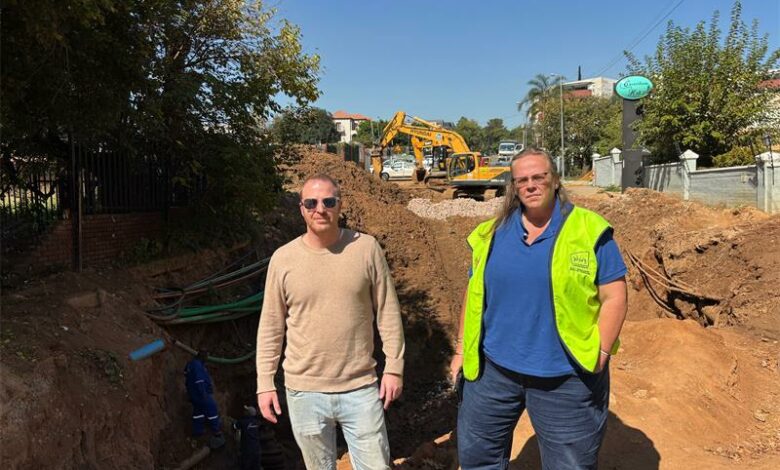
Johannesburg’s ongoing struggle with illegal water connections underscores a complex battle that goes beyond mere theft, highlighting systemic issues that threaten the city’s water security and community well-being.
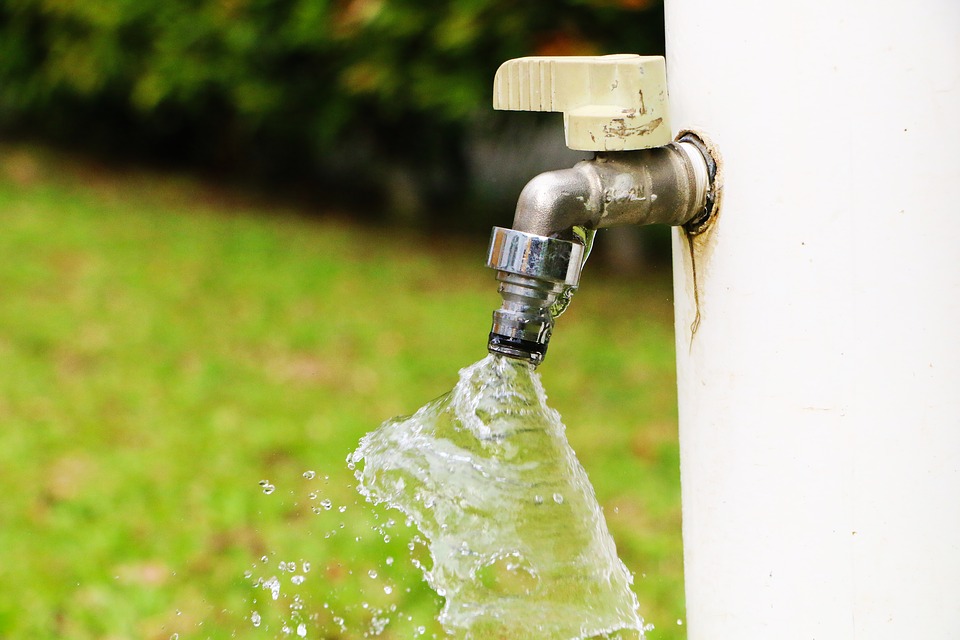
Johannesburg Water (JW) spokesperson Nombuso Shabalala warns that unauthorised taps are more than individual misconduct; they jeopardise the entire municipal water system. “Illegal connections are a serious threat to community health, safety, and resource management. They undermine our efforts to provide equitable access, strain infrastructure, and risk contaminating water supplies.”
Read more: Save water today for a better tomorrow
Shabalala emphasised that illegal connections cause infrastructure damage, leading to leaks, pipe bursts, and costly repairs, diverting funds that could be used for other community services.
Residents are encouraged to report any illegal water connections via the JW corruption line, or by emailing: fault@jwater.co.za.
Ward 91 councillor Andrew Stewart sheds light on the complexities involved in tackling the issue. “There are different forms of illegal connections. Some are direct connections to individual households, while others involve invaded buildings, especially in areas like Wynberg and other boundary wards such as Kew and Marlboro. These invaded properties often house large communities, making enforcement more challenging.”
Stewart added that many offenders are aware their actions are wrong, yet socioeconomic factors, and the rights of displaced residents, make enforcement complex. “Most offenders are aware that their actions are wrong, but the socioeconomic issues involved, especially in invaded buildings with human rights considerations, make it difficult to curb non-paying usage completely.”
Ward 103 councillor Lynda Shackelford said residents in her ward alert her if there are pipe leaks. “It’s easier to detect illegal connections in abandoned buildings or areas where displaced people stay, compared to normal homes.”
Shackelford highlighted ongoing administrative challenges within JW currently faced by residents in her ward. “There’s a huge problem with incorrect billing and administrative errors. Many residents have been told they have illegal connections when they do not, often because job cards haven’t been processed or new meters aren’t reflected on their bills.
“Others face double billing due to meter number discrepancies. Recently, someone was disconnected for an alleged illegal connection, but it turned out to be a miscommunication from nine years ago, involving incorrect house records and billing issues.”
Shackelford added that these administrative issues often lead to unwarranted penalties and hamper enforcement. “Better administrative systems are needed to differentiate between true illegal connections and billing errors. Without proper admin, residents are unfairly penalised, and efforts to curb illegal connections are hampered.”
Follow us on our Whatsapp channel, Facebook, X, Instagram, and TikTok for the latest updates and inspiration! Have a story idea? We’d love to hear from you – join our WhatsApp group and share your thoughts!