
Ext 7 residents left in limbo after demolitions
Residents of Alexandra Ext 7 say they were not living near electricity servitudes because they wanted to, but because they are unemployed and cannot afford better accommodation options.
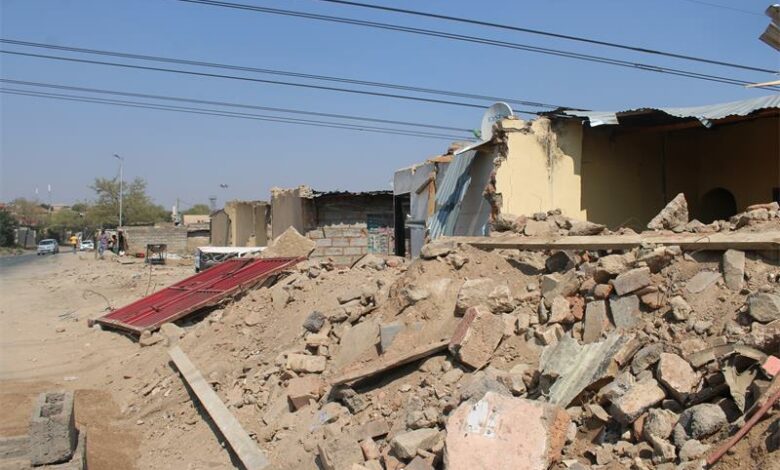
In the wake of the demolition of structures illegally built over City Power’s electricity infrastructure in Alexandra Ext 7, residents described the dire consequences for those displaced. Aubrey Mabulana, a local resident, explained that some of the affected individuals were left homeless. “Some were squeezed into other people’s homes, just to have a place to sleep, but a few of those homes, including one sheltering an elderly woman, are contested by an [alleged] armed anti-illegal immigration group. That means that the woman who is squeezed in there is not safe because they can come anytime with guns.”
Read more: Community members prevent JMPD from demolishing newly built double story house in 4th Avenue
Councillor Tefo Raphadu, who oversaw the demolition, defended the action, stating that some parts of Ext 7 had been without electricity for nearly three months due to a cable fault beneath structures along Far East Bank Drive. He claimed that, despite repeated appeals for residents to co-operate and remove the illegal structures, there was no compliance, necessitating the demolitions. Residents, however, insist they received no prior warning.
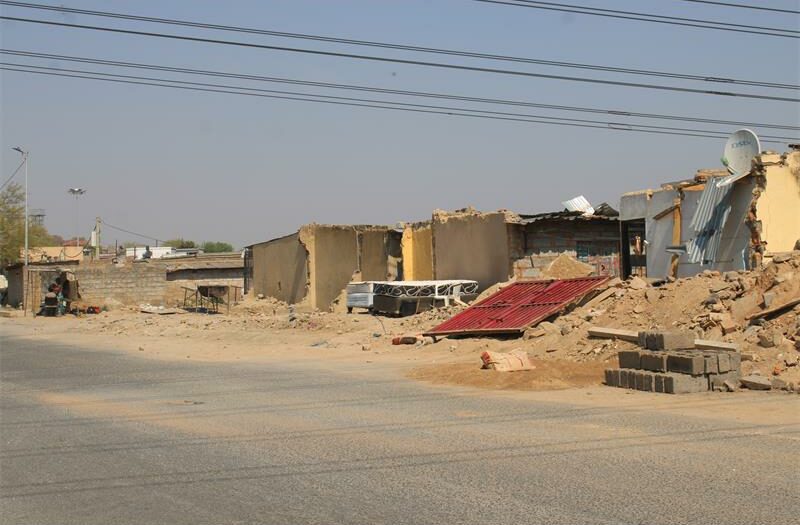
Mapula Makgothokga recounted their shock when the tractor loader backhoes (TLB) arrived about three days before the actual demotion day. “When the TLBs arrived, we asked what they were doing. They said they were here to demolish our homes. We told them we had no idea this was coming – no one gave us notice to move. We were worried about where we’d go, especially with children who need to attend school.”
Also read: Mashaba vows heads will roll for demolitions
City Power’s spokesperson Isaac Mangena explained that the structures were obstructing critical maintenance of the power grid. “In areas like Alexandra, faulty cables buried under illegal structures cause prolonged outages. Some residents have gone weeks without power because repairs require demolishing homes to access the lines.” He emphasised that these structures violate municipal by-laws and pose serious risks, including electrocution, fires, or even death when faults occur.
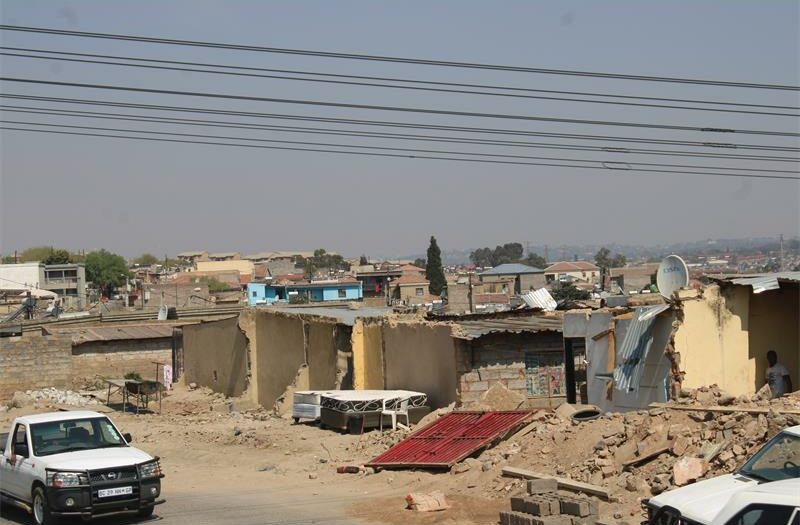
Some residents, like Maite Seope, claimed they were unaware of the underground cables. “When I arrived seven years ago, people were already living here. No one ever told us about cables beneath our homes. How were we supposed to know?” However, residents did acknowledge they were aware of high-voltage overhead cables.
The lack of affordable relocation options has fueled frustration. Mabulana pointed out the financial strain: “How can someone rent a new place if they can’t even afford R500 a month to survive? The fact that we’re here shows we can’t afford better options. Most of us don’t have jobs.”
While residents admitted the risks of living near electrical infrastructure, they stressed it’s a matter of survival. “I wouldn’t be here if I wasn’t struggling,” Makgothokga said. “We’re just trying to make a living, to have enough to support our children.”
Follow us on our WhatsApp channel, Facebook, X, Instagram, and TikTok for the latest updates!