Alexandra campaign pushes HIV awareness ahead of World AIDS Day
City of Johannesburg and Uncedolwabantu joined forces to close the HIV treatment gap, trace those lost to HIV care, and break the silence around gender–based violence in Alexandra.

South Africa’s ambition to end AIDS as a public health threat by 2030 hinges on one critical factor: closing the treatment gap.
In Alexandra, that challenge came into sharp focus on November 18, when the City of Johannesburg’s NGO Sector partnered with Uncedolwabantu and allied organisations to host a targeted outreach at Nubuhle Hostel.
Read more: Alexandra campaign pushes HIV awareness ahead of World AIDS Day
The programme formed part of the national 1.1 Million Close the Gap campaign, a strategy designed to identify individuals who have fallen out of HIV care and re-integrate them into treatment.
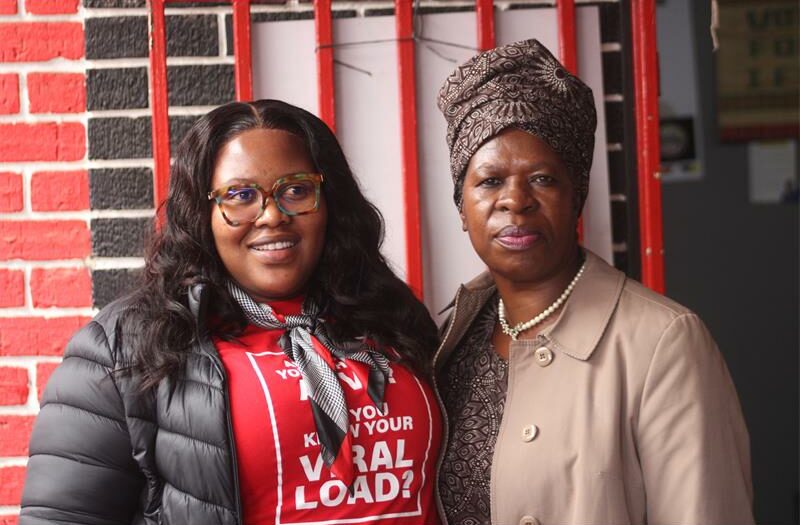
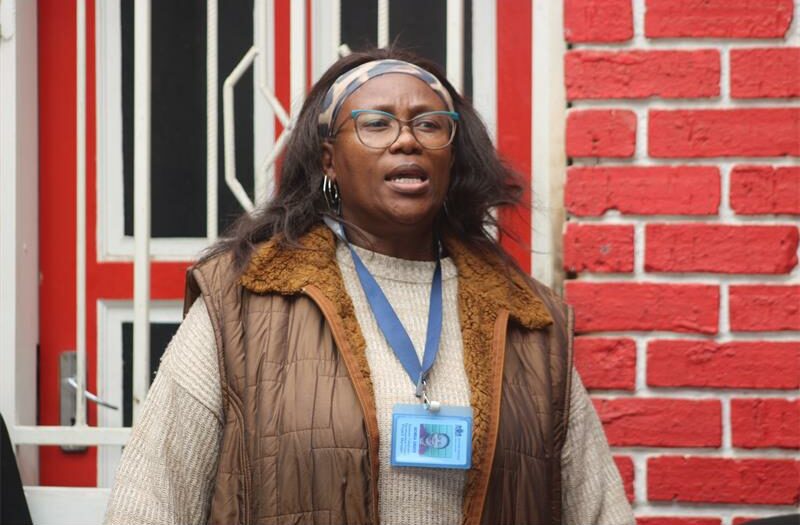
As Hilda Phalama of Uncedolwabantu explained, the campaign is not only about testing but also about retention. “We want to reach the number of people who are HIV positive, and ensure that those who know their status continue with their medications. At the same time, we encourage those who do not know their status to get tested,” she said.
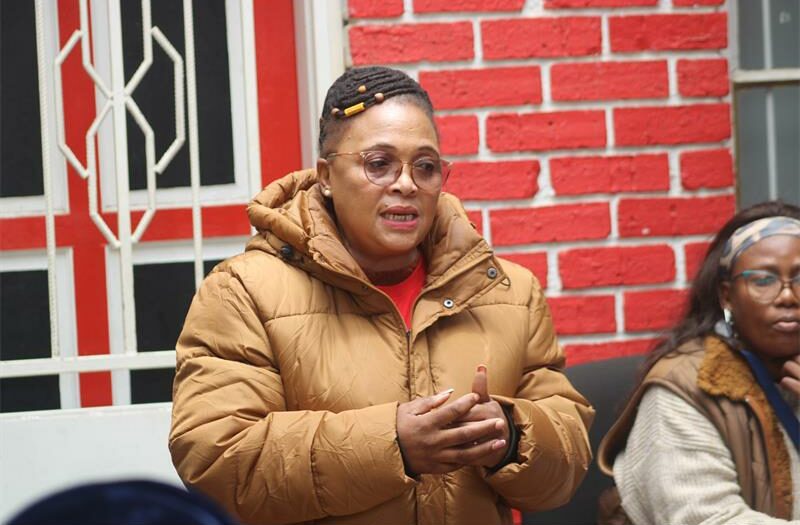
Nomsa Sibaya, chairperson of the NGO Sector, emphasised the importance of tracing those who have disengaged from care. “We are trying to trace all the people who were lost to HIV care. At the moment, we are reaching out to those who tested positive but are not taking medication,” she noted. This approach reflects a broader national priority and underscores a crucial point: treatment continuity is as important as diagnosis in reducing transmission rates.
Also read: World Aids Day observed at 4th Avenue Clinic in Alex
The event also addressed breaking the silence around male victims of sexual abuse. Sibaya stressed that men, often overlooked in GBV discourse, must be included in prevention strategies. She added that encouraging men to take PrEP ( daily HIV medicine ) is another crucial step toward reducing risk.
Stakeholders further highlighted the intersection between HIV, teenage pregnancy, and substance abuse, pointing to teenage pregnancies as evidence of unsafe sexual practices often linked to substance use.
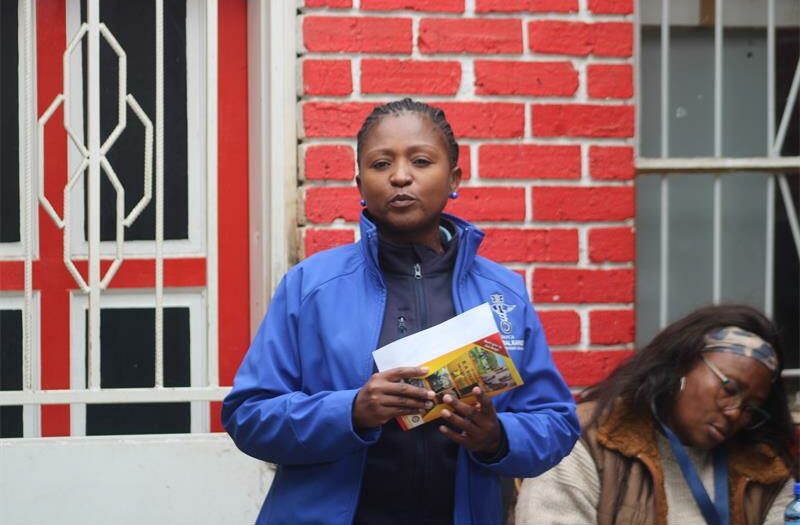
Tebogo Somo from the South Africa National Council on Alcoholism and Drug Dependence identified alcohol abuse as a catalyst for risky behaviour such as engaging in unprotected sex. “You might fall pregnant because you are drunk, and tomorrow you will be surprised that you are HIV positive,” she warned.
By establishing the link between HIV and substance abuse education, the outreach demonstrated that closing the treatment gap requires more than medical interventions. It demands a holistic strategy, one that integrates health, social justice, and community resilience.
Follow us on our Whatsapp channel, Facebook, X, Instagram and TikTok for the latest updates!