
Teenage pregnancy remains a concern as youth avoid clinics
Limited conversations about contraceptives and the stigma surrounding access to sexual and reproductive health services leave many young girls in Alexandra vulnerable to teenage pregnancy and sexually transmitted infections.
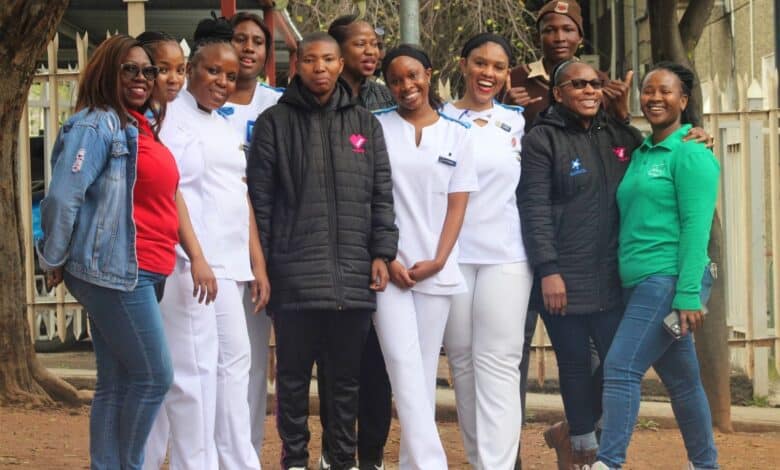
Teenage pregnancy continues to trouble schools in Alexandra, despite expanded access to contraceptives, with stigma and fear of judgment keeping young people away from clinics.
This, according to health stakeholders, leaves young people vulnerable to unintended pregnancies and other health risks.
Thumeka Joos, coordinator at Thusong Youth Centre and one of the speakers at the learner engagement session at Minerva Secondary School on April 22, said the issue has become increasingly worrisome in local schools and requires multifaceted intervention.
Read more: You’re Pregnant! Now what?
“Teenage pregnancy is not an easy thing to go through. It is important for learners to know that support is there, and they should go and seek information. They must know where to get help when it comes to issues relating to sexual intercourse and mental health.”
Learners acknowledged that conversations about sexual intercourse are rare at home, where abstinence is often the only message. This silence often leaves them with a lot of unanswered questions about contraceptives and how they work, and many fear being scolded or shamed if they visit clinics.
Learners said that young people avoid clinics altogether, worried that nurses will judge them, especially if they are pregnant. But health promoters warned that this not only increases the risk of teenage pregnancy but also exposes them to HIV/AIDS and other sexually transmitted infections.
Medical professionals have recognised the challenge and have reshaped services to be more welcoming. Ntswaki Mogadima, a health promoter at 4th Avenue Clinic, said they offer Adolescent and Youth Friendly Services (AYFS) at the clinic.
“We have a team that works with youth and understands their feelings. In the past, older people did not understand the AYFS group, but now young people can open up to us.”
Also read: What to expect from your skin during pregnancy
She explained that the programme acknowledges the emotional complexities of adolescence, including mood swings and the pressures that can lead to teenage pregnancy.
Teenage pregnancy, according to Elizabeth Mothabela, a social auxiliary worker at Families South Africa, takes a massive toll on the already fragile mental health of young people.
“We take teenage pregnancy as a serious factor that could affect learners’ mental health. Remember, they are still young. They have to focus, and becoming mothers changes who they are.”
She said financial strain and lack of support from partners or parents compound the stress, adding that some pregnant teenagers face criticism at home, leaving them isolated and frustrated.
“In most cases, we find that their parents are not supporting their pregnant children. Sometimes they are blaming them for being pregnant, and this frustrates teenagers and affects their mental health,” Mothabela added.
Khanyisile Mdletshe, a professional nurse with LoveLife, underscored the importance of prevention, noting that to tackle the crisis, people cannot shy away from talking about prevention.
Follow us on our Whatsapp channel, Facebook, X, Instagram and TikTok for the latest updates and inspiration!