Substance abuse increases risk of teenage pregnancy, warns Sanca community worker
Community workers warn that substance abuse is stripping young people of clear judgment, fuelling risky behaviour, and leaving learners vulnerable to teenage pregnancy, HIV, and mental health struggles.
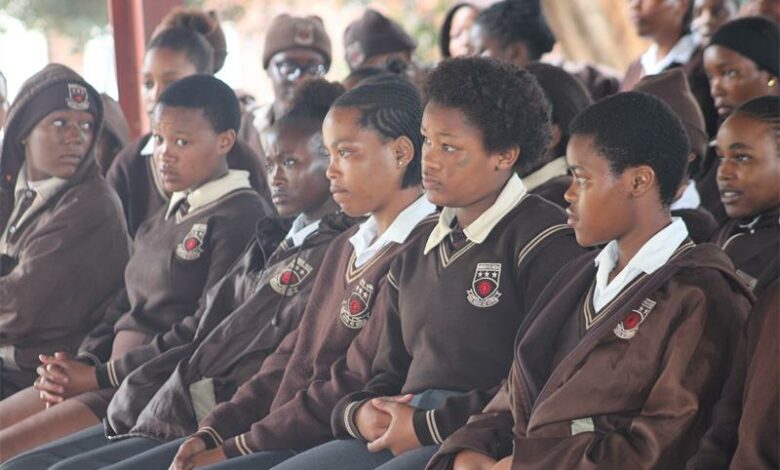
Teenage pregnancy remains a pressing challenge in Alexandra, with some community workers warning that alcohol and drugs are fuelling risky behaviour among learners.
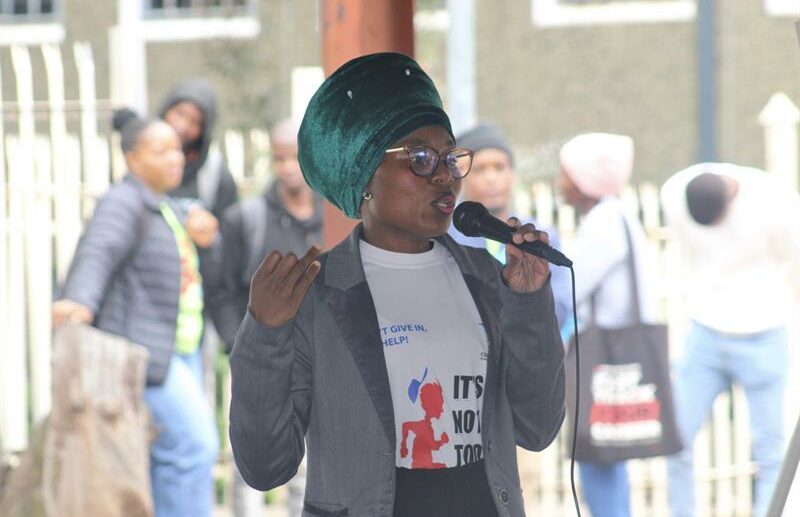
Constance Tsoka, a community worker with the South African National Council on Alcoholism and Drug Dependence (Sanca), cautioned that substance use strips young people of their ability to make sound decisions. “When a child starts using substances, whether drugs or alcohol, they cannot make the right decisions.”
Read more: You’re Pregnant! Now what?
She explained that alcohol impairs judgment and increases the likelihood of impulsive behaviour, often leading to unprotected sex and unintended pregnancies among teenagers. What is even more concerning, according to Tsoka, is that alcohol has been normalised in many communities, and is often associated with happiness or used by adults to escape challenges.
This, she said, influences children to start drinking, sometimes even with parental approval. “Some adults are leading children astray. You would hear a child telling that their parents consume alcohol, and they allow them to drink on special occasions.”
Also read: COJ shocked following teenage pregnancy stats
She warned that a single sip can lead to addiction, and substance dependence brings teenagers even closer to the danger of engaging in risky behaviour. Her warning comes as teenage pregnancy remains a concern among secondary school learners in Alexandra, despite wide access to contraceptives.
Health stakeholders argue that stigma and fear of judgment keep many teenagers away from clinics, leaving them with limited knowledge about contraceptions, and vulnerable not only to pregnancy but also to HIV/Aids and other sexually transmitted infections.
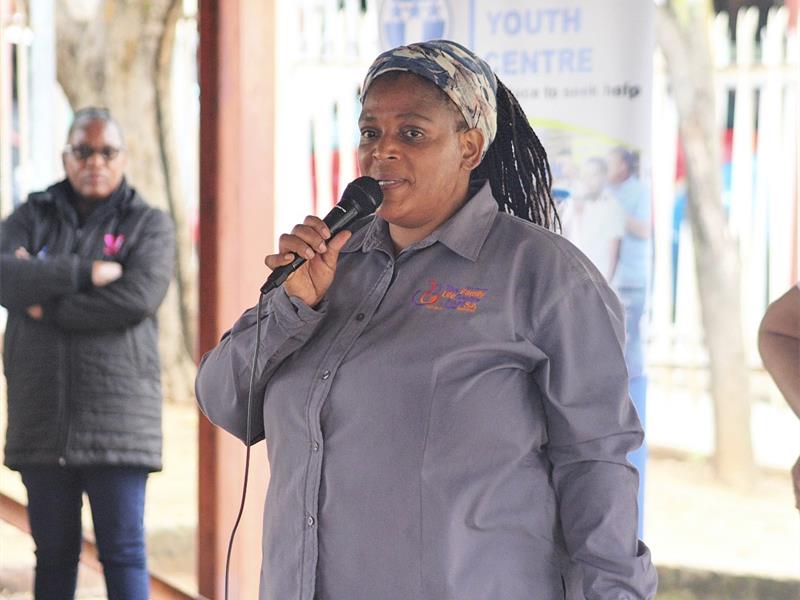
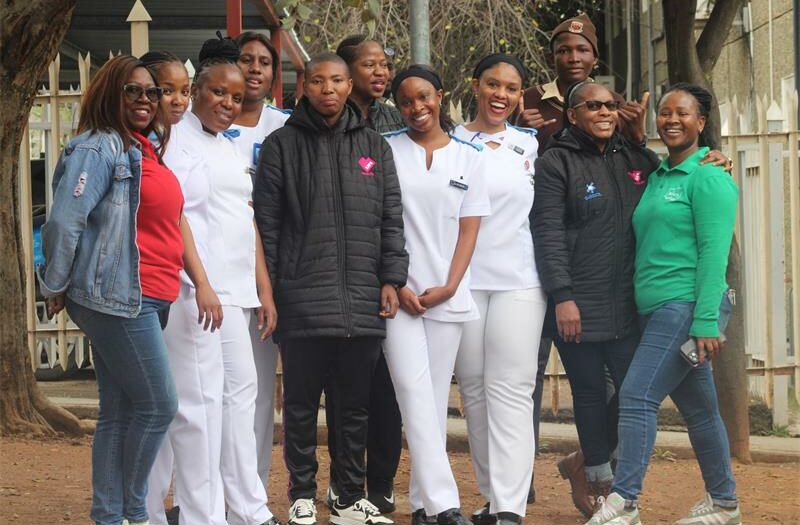
Learners themselves admitted that conversations about sex are rare at home, where abstinence is often preached. So, when different health stakeholders gathered at Minerva Secondary School on April 22, it is was to equip learners with as much information as they would need to be responsible young men and women, at least according to Thumeka Joos, co-ordinator at Thusong Youth Centre. “They must know where to get help when it comes to issues relating to sexual intercourse and mental health.”
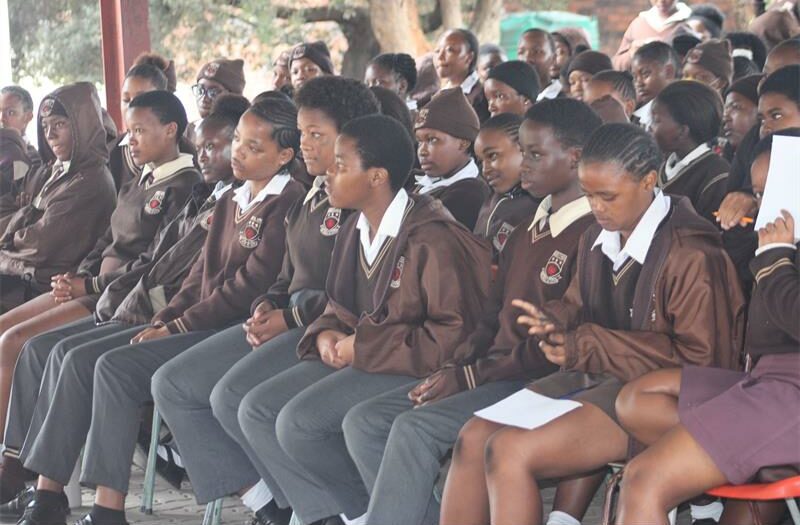
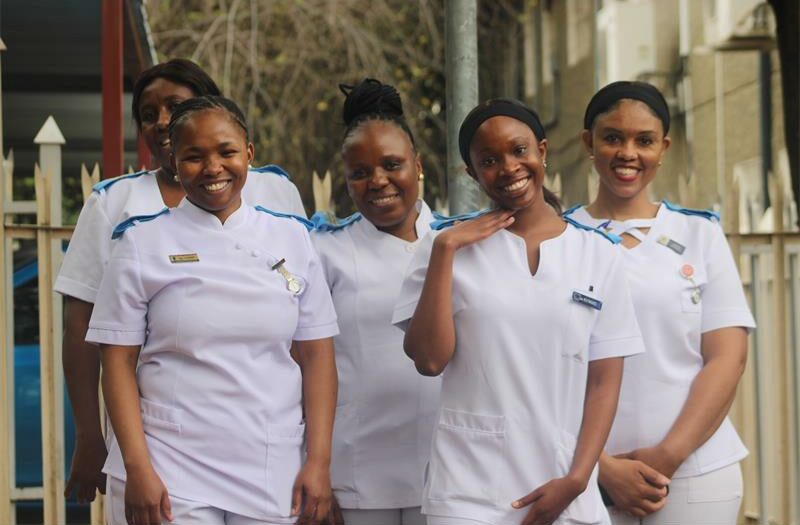
Health professionals acknowledged the stigma surrounding teenagers’ access to contraceptives, and noted that they introduced systems that address this challenge. Ntswaki Mogadima, a health promoter at 4th Avenue Clinic, explained that adolescent and youth friendly services are now offered to create a more welcoming environment. “We have a team that works with youth and understands their feelings.”
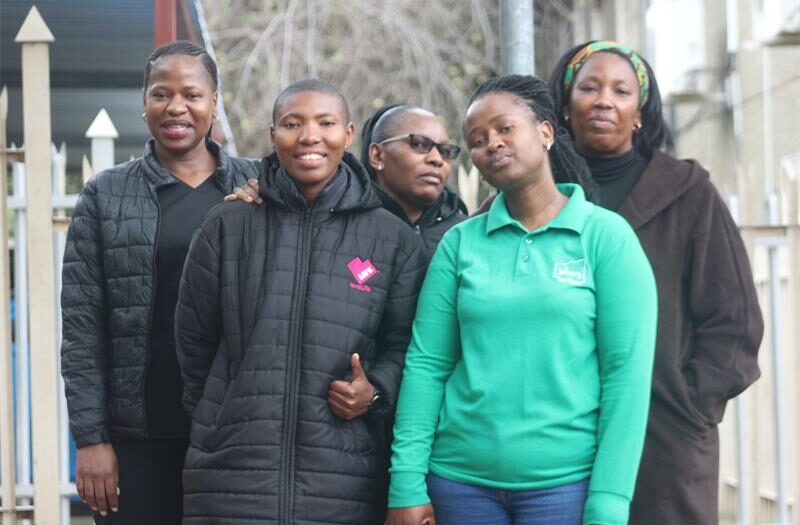
She noted that the programme recognises the emotional complexities of adolescence. Such services are especially important for pregnant teenagers who, according to Elizabeth Mothabela, a social auxiliary worker at Families South Africa, face criticism at home, leaving them isolated and frustrated.
Follow us on our Whatsapp channel, Facebook, X, Instagram and TikTok for the latest updates and inspiration!