
ECD centres put kitchen hygiene on the menu
Early Childhood Development centre cooks learn that safe and clean kitchens are just as vital as tasty meals.
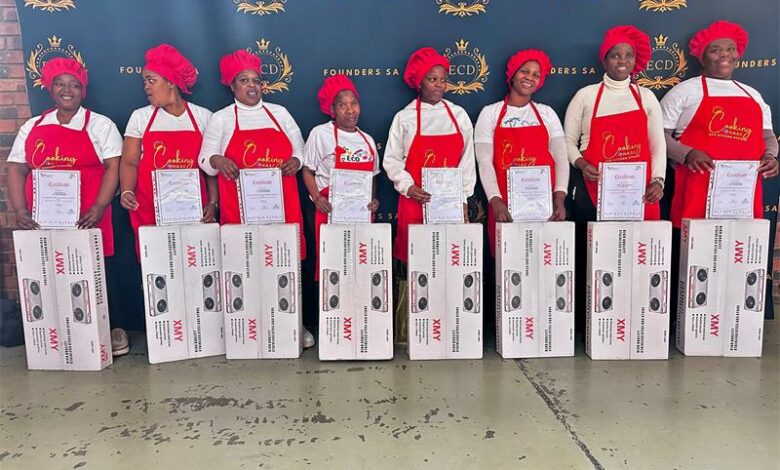
The clatter of pots and the aroma of simmering meals often mark the everyday routine of Early Childhood Development (ECD) centres, as cooks ensure they prepare tasty meals to nourish children’s bodies and minds.
But how important is it for cooks, especially in ECDs, to pause and talk about kitchen hygiene?
Read more: The importance of ECD Education
According to the Alexandra ECD Association, the importance of focusing on kitchen hygiene can never be understated because such hygiene plays an imperative role in protecting children’s health. That is why more than 40 ECDs in Alexandra turned up the heat on food safety when they gathered for a hands-on Cooking and Kitchen Hygiene Workshop hosted by Hope Academic and Skill Centre (HASC) in partnership with the Alexandra ECD Association in Alexandra on June 19.
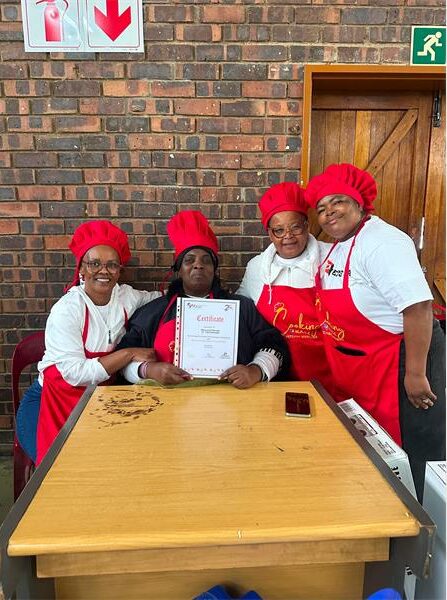
The initiative was about safeguarding children’s health through cleaner kitchens and safer practices.
Thembi Nkadimeng, director of HASC, said the workshop, which forms part of the centre’s commitment to building capacity within EDCs, brought together cooks, food handlers, and centre representatives to strengthen their knowledge of food preparation, hygiene, and safety standards in ECD environments.
Training sessions explored personal hygiene, food safety practices, preventing cross-contamination, proper food storage, kitchen safety, and the importance of preparing balanced meals for young children.
“When we invest in training cooks and improving kitchen hygiene, we are investing in the health, safety, and future of our children,” Nkadimeng said.
Also read: Alexandra ECD women reflect on the march of 1956
Alexandra ECD Association president Mary Rametsi emphasised the importance of the training, emphasising that the workshop is a clear indication that ECDs in the community care about kitchen hygiene and food safety, which is imperative for the overall health of the children they care for. “This is to prevent food contamination and foodborne illnesses, and to maintain a safe and clean kitchen environment,” she said.
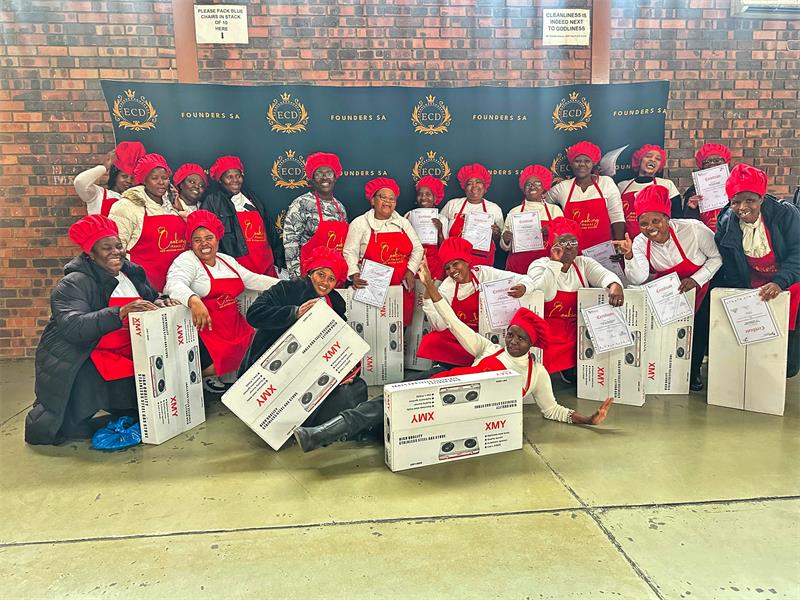
She added that beyond food safety and kitchen hygiene, personal hygiene practices were stressed as equally vital. These practices, according to Rametsi, include washing hands regularly, keeping fingernails short and clean, wearing aprons, hairnets and closed shoes, and avoiding wearing jewellery or perfume when cooking.
Thando Luruli, who runs Sinothando Day Care, said the workshop equipped them with the knowledge they need to better care for their children.
“We appreciate having SesThembi come here and to train us in hygiene. We learn, and we see our mistakes. We shine now because we know our children will be healthy,” she said.
Workshop participants received certificates of attendance, while centres were awarded certificates of recognition for their commitment to raising food safety standards. To further strengthen kitchen operations, HASC donated 40 two-plate gas stoves to participating centres.
Follow us on our WhatsApp channel, Facebook, X, Instagram, and TikTok for the latest updates!