
Public urged to stay vigilant amid rise in SIM swap fraud
Residents are being warned to act quickly if their mobile signal suddenly drops, as fraudsters exploit compromised numbers to access banking and online accounts.
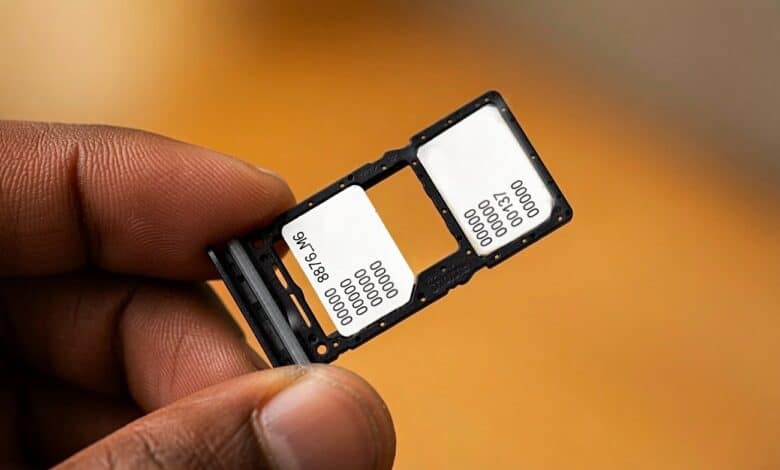
An increase in SIM swap fraud incidents has been reported in the past two weeks, prompting a public advisory urging residents to remain alert.
SIM swap fraud occurs when criminals persuade a mobile network provider to transfer a victim’s phone number to a SIM card they control. This is typically done using stolen personal information or social engineering. Once the number is swapped, fraudsters can intercept SMS one-time pins (OTPs) used for two-factor authentication.
Read more: Joyrider nabbed for vehicle fraud
This allows unauthorised access to WhatsApp accounts, online banking, email, and other services. The fraud has led to substantial financial losses for victims across South Africa in recent years, with attackers often draining accounts rapidly or impersonating victims to request money from family and friends.
A sudden and unexplained loss of mobile signal – even while connected to Wi-Fi – is a major warning sign that a SIM swap may have occurred.
Dangers of SIM swap fraud
- Rapid theft of money from linked bank accounts,
- Takeover of WhatsApp and messaging apps to scam contacts,
- Access to email and other personal accounts containing sensitive information, and
- Identity theft and long-term financial damage.
What to do if you suspect your number has been compromised
- Contact your mobile network provider immediately from another phone,
- Request confirmation of any recent SIM swap or changes to the account,
- Enable two-factor authentication on all important accounts, preferring authenticator apps over SMS where possible,
- Notify your bank straight away if your number is linked to banking services, and
- Monitor accounts closely for unusual activity.
Important protective steps
- Use strong, unique passwords for online accounts,
- Activate two-step verification on WhatsApp, banking apps. and email,
- Avoid sharing personal details such as ID numbers, addresses. or account information over unsolicited calls or messages,
- Regularly check bank statements and linked phone numbers, and
- Inform elderly family members about these risks and warning signs.
Also read: FNB warns of increased fraud risk
Residents are encouraged to discuss these threats with family members, particularly the elderly, who may be more vulnerable. Quick action upon noticing warning signs can limit damage significantly.
For assistance, contact your mobile service provider directly or visit a local branch. Staying informed remains one of the best defences against this type of fraud.
Follow us on our WhatsApp channel, Facebook, X, Instagram, and TikTok for the latest updates!