
While residents blame undocumented migrants, rights groups say they are just being scapegoated
Frustration over local socioeconomic challenges has boiled into door-to-door campaigns against undocumented migrants in Alexandra, but leading refugee and migrants' rights groups are saying that illegal migrants are not the real problem.

Residents of Alexandra say they are fighting for survival amid rising frustration over undocumented migration, but a leading refugees and migrants’ rights group warns that foreign nationals are being scapegoated for South Africa’s deeper socioeconomic problems.
Since late June, protests in Alexandra have intensified from sporadic marches into a sustained campaign. Local groups have organised co-ordinated door-to-door actions in areas identified as immigrant hotspots to identify and remove undocumented migrants.
Read more: Alex community confronts xenophobia
“We are the people on the ground,” said protest leader Nonqobo Ngwenya. “We are suffering.”
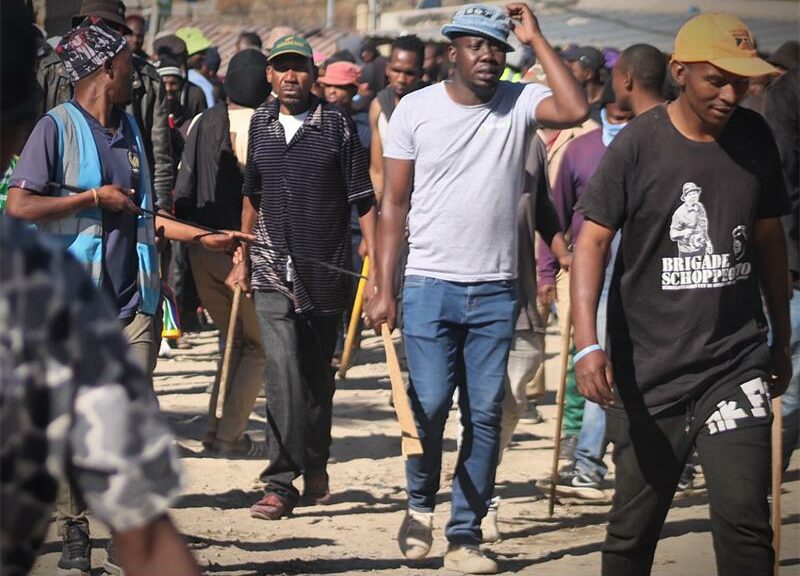
Ngwenya and other residents, including Portia Mohudi, believe undocumented migration is directly linked to their struggles. “Our children are not working, and crime is out of control in Alexandra. We don’t even have houses, yet foreign nationals own the homes and run the tuck-shops,” Mohudi said.
Ngwenya claimed some foreign nationals are seizing community spaces – including trading stalls, hair salons, and spaza shops – by force, depriving locals of opportunities in a survivalist economy.
Thifulufheli Sinthumule, director of the Consortium for Refugees and Migrants in South Africa (CoRMSA), acknowledged the genuine socioeconomic hardships affecting most people, but believes immigration is not the root cause. He said the protests reflect deep-seated frustrations over challenges such as high unemployment, poverty, housing shortages, crime, and service delivery, but argued these are not driven by immigration, but have deep-rooted structural causes, including inequality, slow economic growth, governance challenges, and declining public trust in institutions. “Many communities feel the government has not adequately addressed these challenges, and migration has unfortunately become a visible and convenient issue onto which frustrations are projected.”
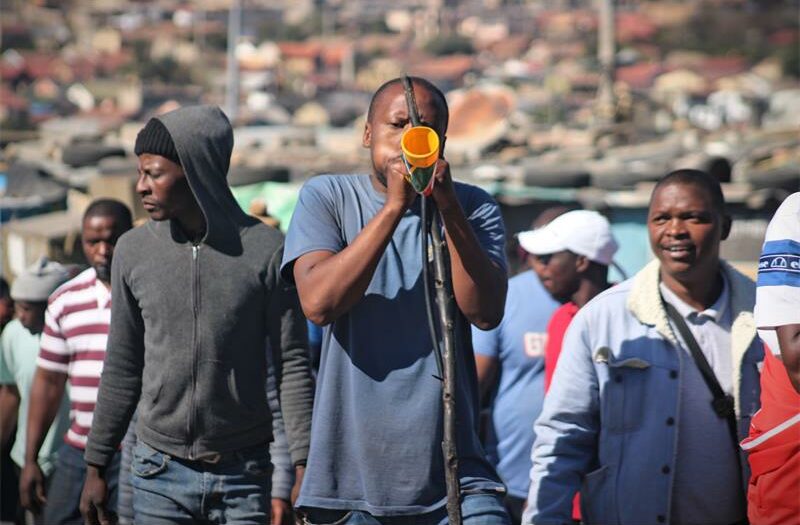
He stressed that while civic protest is legitimate, the moment actions target people based on nationality or perceived foreign status – through threats, intimidation, assault, forced business closures, evictions, or collective blame – the protests move from a legitimate call for immigration enforcement into xenophobia.
Also read: Xenophobia victims appreciate support
Marchers, however, vehemently deny being xenophobic, saying they are only fighting for their survival and for intensified government action.
On July 15, the South African Police Service (SAPS) reported that, working with other departments, they had arrested 8 896 foreign nationals nationwide in the preceding 14 days for contravening the Immigration Act. Days earlier, on July 12, chairperson of the Inter-Ministerial Committee (IMC) on Migration Minister Mmamoloko Kubayi reported an increase in the number of foreign nationals that have either been deported or repatriated. She indicated that, for the month of June, a total 4 898 people, including 1 929 Malawi, 1 384 Zimbabwe, 1 200 Mozambique, and 342 Lesotho nationals were deported. She added that for the period June 14, 2026–July 8, 2026 a total of 2 801 foreign nationals were deported.

Some Alexandra residents, however, still remain dissatisfied, insisting the government is not doing enough. Ngwenya warned that if officials do not intensify efforts to tackle the issue, the community would take matters into its own hands, despite the government’s warnings that immigration enforcement is the responsibility of the state.
Acting National Commissioner of the SAPS Lieutenant General Puleng Dimpane cautioned against unlawful actions, including the intimidation and harassment of foreign nationals. “Violence, whether perpetrated by South Africans or foreign nationals, destroys communities, erodes trust, and will never be tolerated as a solution to resolve disputes.”
Follow us on our Whatsapp channel, Facebook, X, Instagram and TikTok for the latest updates!