Children still at risk online
Interacting with children about their social media activities is another way to combat the dangers of the internet.
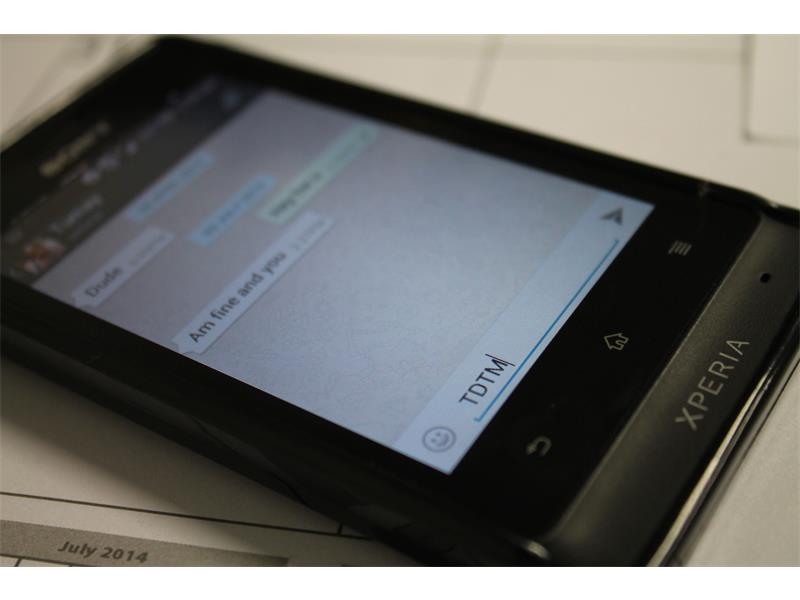
The National SAPS has released a statement to create awareness regarding the dangers of online social media.
The police hope to ensure the safety of children who are online.
Children are especially susceptible to the threats the internet and social networking websites present.
By teaching children about internet safety, being aware of their online habits and guiding them to appropriate websites, parents can ensure that their children become safe and responsible users on social networking websites.
Children face several dangers on the internet because false identities are easy to create.
According to the statement from the SAPS, making new friends online is easy and convenient, but it is different to doing it in person because you cannot see who is at the other end of the computer. The internet makes it easy for someone to create a false identity.
Another attribute that makes the internet unsafe is the fact that not all information is private. This means anyone can view it. There are also online message boards that are indexed by search engines. This means that others can view the conversations that were held, even years down the line.
According to the statement, internet predators are one of the biggest threats to children on social media. Often, individuals who lie about who they are and their ages are internet predators. Unfortunately, many children, teenagers and their parents cannot tell who is an internet predator until it is too late.
Danger signs of an internet predator:
- If the person insists on having your address or phone number.
- If the person emails you pictures which make you feel uncomfortable or which you would not show to anyone else.
- If the person wants to keep their chats with you secret.
- If the person says you will get into trouble for telling an adult about the conversation.
- If the person wants you to email pictures of yourself, or to use a webcam in a way which makes you feel uncomfortable.
- If the person shares information with you and tells you not to tell anyone else about it.
- If the person wants to meet you in person and tells you not to let anyone know.
- Internet safety tips for children:
- Do not give out personal information such as your address, telephone numbers, parents’ work contact information or the name and location of your school without your parents’ permission.
- Only accept followers you know. Do not let strangers follow you on social media websites or chat rooms in the same way as you would not let a stranger follow you in real life.
- Tell your parents immediately if you come across any information that make you feel uncomfortable.
- Never agree to get together with someone you have met online without first checking with your parents. If your parents agree to the meeting, ensure that it is in a public place and bring a parent along.
- Never send a person your picture or anything else without first checking with your parents.
- Do not respond to any messages that are mean or make you feel uncomfortable in any way. Tell your parents immediately.
- Do not give your passwords to anyone other than your parents, not even your best friends.
- Check with your parents before downloading or installing software or doing anything that could possibly jeopardise your family’s privacy.
- Be a good online citizen and do not do anything that hurts other people or is against the law.
Every parent should be aware of some important internet and social media safety tips, which could protect their children from potential harm. By learning about the internet and social media, parents can ensure their children can participate safely.
Interacting with children about their social media activities is another way to combat the dangers of the internet. Parents should let children know that it is possible to meet internet predators online, especially with the use of private chat rooms or social networking websites.
Social media acronyms that parents should know:
- GNOC – Get Naked On Cam
- NIFOC – Naked In Front Of Computer
- PAW – Parents Are Watching
- PIR – Parent In Room
- POS – Parent Over Shoulder
- TDTM – Talk Dirty To Me
- ASL(R P) – Age Sex Location (Race/Picture)
- (L)MIRL – (Let us) meet in real life
- MOS – Mom Over Shoulder
- PRON – Porn
- FYEO – For Your Eyes Only
@BedfordJourno