Modderfontein Conservation Society visits grave site
The hospital was built on the farm Rietfontein in 1895 to care for patients with serious infectious diseases, notably Bubonic Plague, Smallpox TB, Leprosy and even Anthrax.
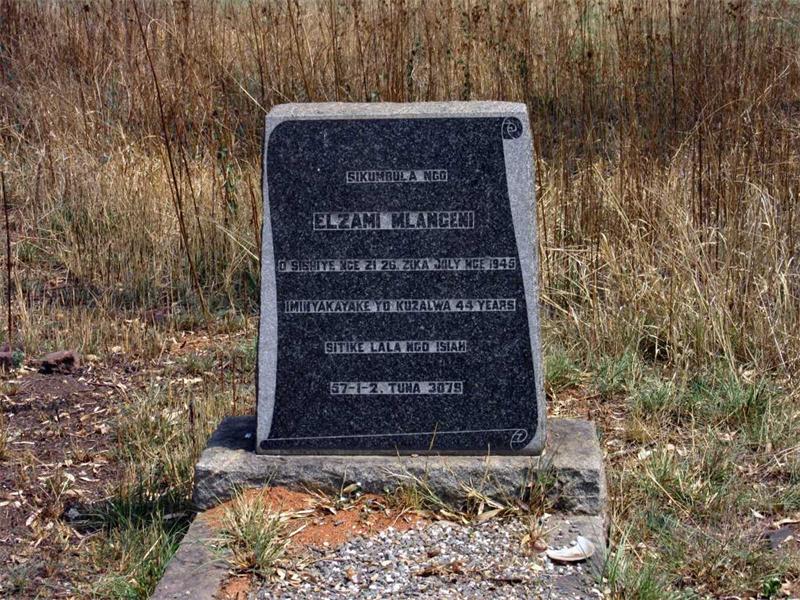
Twenty members and friends of the Modderfontein Conservation Society (MCS) visited grave sites at the former Rietfontein Lazaretto, now known as Sizwe Hospital.
The visit took place last week and the visitors were the guests of researcher, Ms Naomi Dinur.
The hospital was built on the farm Rietfontein in 1895 to care for patients with serious infectious diseases, notably Bubonic Plague, Smallpox TB, Leprosy and even Anthrax.
Many died from these dreadful ailments and were buried on the site. Mrs Dinur quoted estimations that there are more than 6 000 graves there.
The visitors saw a few of the graves still located at the site.
“Many of the metal grave markers have disappeared, as scrap metal perhaps,” said Ms Janet Brodrick, of the MCS who organised the outing.
Another grave, at the hospital itself, commemorates Nurse Emily Blake who died at the age of 27.
“While tending to a sick child, she hugged and comforted him with a kiss,” said Mrs Dinur.
Soon after, Nurse Emily paid the ultimate price for her compassion when she died of Bubonic Plague.”
Originally, Rietfontein Hospital stood alone in a remote location, a full-day’s cart-ride from the centre of Johannesburg, established that far away as a safety measure against the smallpox epidemic that swept Johannesburg. Now, the area is scheduled for development as Sunningdale and Ms Brodrick speculated on the possibility of a horror scenario with construction releasing millions of anthrax spores on the N3 and thereby putting South Africa’s livestock at risk, or even starting a new Smallpox plague.
“An epidemic?” Ms Brodrick asked.
“We are told this is a possibility,” she said.