Typhoid cases confirmed
The Gauteng Department of Health confirmed that four cases of Typhoid Fever in Gauteng had been identified within the Johannesburg area.
Two of the four identified typhoid fever cases in Johannesburg were at the Edenvale Hospital, according to a Gauteng Department of Health statement on Sunday.
The other two cases were identified at the Charlotte Maxeke Academic Hospital.
One of the patients, a 27-year-old Malawian female, died at the Charlotte Maxeke Academic Hospital on Sunday.
The woman reportedly travelled to her home country three weeks ago for the holidays and returned to South Africa through Mozambique on January 12.
“She presented at the Hillbrow Community Health Centre (CHC) on January 14, complaining of fever, headache and vomiting. She was tested for malaria and since the results were negative and she was not seriously ill looking, she was discharged. She was asked to come back if her symptoms persisted. Tests for Typhoid Fever were not conducted because this disease is not prevalent in the community. While at home, she felt more sick and returned to the Hillbrow CHC on January 15 and was referred to the Charlotte Maxeke Hospital. She went to the hospital on January 16, complaining of a severe fever, headache and joint pains. She died on January 17. Tests confirmed that she died of Typhoid Fever,” said the department.
Two Zimbabwean girls, aged 11 and three, were admitted to the Edenvale Hospital on January 13 and on January 22 respectively.
The department said both girls complained of fever, headache, body aches and pain. They were diagnosed with Typhoid Fever and are under treatment, stable and improving.
It is understood that both children had just returned from Zimbabwe, their home country, on January 12 after brief visits there.
Typhoid Fever is contracted by drinking or eating the bacteria in contaminated food or water. People with acute illness can contaminate the surrounding water supply through stool, which contains a high concentration of the bacteria. Contamination of the water supply can, in turn, taint the food supply. The bacteria can survive for weeks in water or dried sewage.
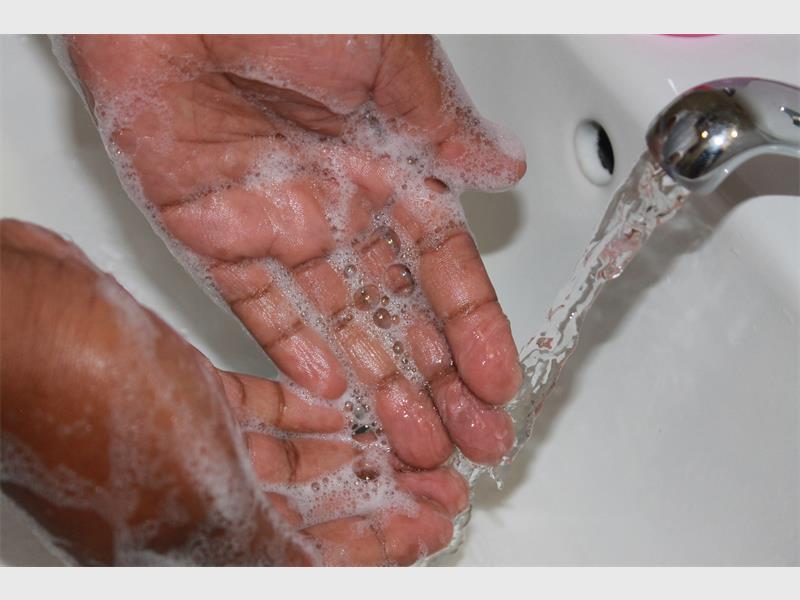
“Typhoid is a highly infectious disease and spreads through the ingestion of contaminated food and water. It is common in communities where there is inadequate sanitation. Poor personal hygiene is also responsible for the rapid spread of the disease. It is particularly important to wash your hands before preparing food,” the department stated.
Symptoms
Symptoms include high fever, headache, joint pains and abdominal discomfort, sometimes accompanied with vomiting.
The Department of Health has advised health professionals to test such patients for Typhoid and if not possible, they must be referred to institutions that are capable of conducting such tests.
“We have activated our Outbreak Response Team to trace and manage these cases and to determine if there is a common source. We wish to assure the public that we are on the alert. People must always wash their hands,” said the MEC for Health in Gauteng, Ms Qedani Mahlangu.
“The Outbreak Response Team alerted all members of the Outbreak Response about the Typhoid cases. The department also sent environmental health practitioners to the residences of the affected patients, to check whether there are other people who might have similar symptoms and have taken samples from all sources of drinking water, to determine the source of this disease. The team has also checked on patients at all affected health facilities. They will continue to be on the alert, and have advised all health professionals in Gauteng to also be vigilant,” the department stated.