The dos and don’ts of drones
"When FPV's first came out, many in the RC community were concerned"
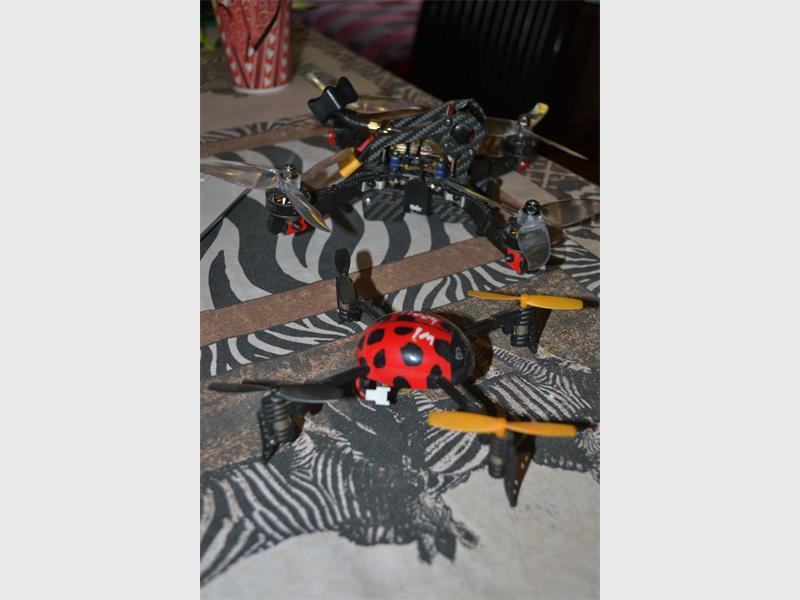
To create more awareness about drones and First Person View (FPV) flying, Roland Suhrmuller, spoke to the NEWS.
The Edenglen resident and victorious remote-control plane pilot at the South African Combined Power Nationals gave further insight into the legislation surrounding FPV flying.
As the chairperson of Fly FPV South Africa, he wants to ensure that enthusiasts follow the regulations.
Roland told the NEWS his passion for FPV stemmed from his interest in remote-control plane flying.
Also read: Drones take flight into a world of possibilities
“When FPVs first came out, many in the RC community were concerned,” said Roland.
However, Roland explained that since then many RC pilots have taken up the hobby of flying FPVs.
Roland said the by-laws of a municipality and the regulations of the SA Civil Aviation Authority govern the flying of FPVs and drones.
The various categories of FPVs also determine how the can be used.
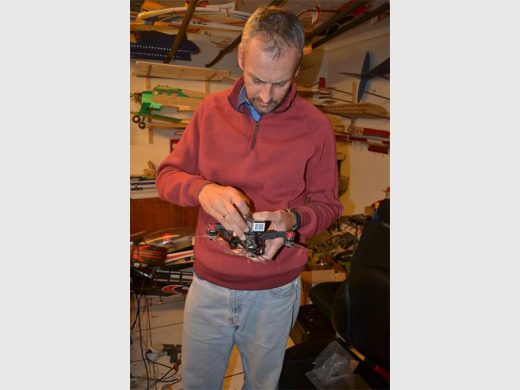
Roland said the four categories are: toys, commercial, private and sports/recreational.
He explained toys are generally the small drones often used by children.
Drones are classified as ‘commercial’ the moment monetary gain is involved, for example, people taking photos with the drone and selling them. Roland said three licences are needed for the flying of commercial drones
The private category, Roland explained, is when a drone is used for personal use, for example, a fisherman using a drone to find a fishing spot.
The sports/recreational category is for FPV flyers who are interested in racing drones.
Roland said regulations differ according to category of FPV.
Many of the regulations can be found online.
Roland pointed out a few of the general regulations. FPV pilots should:
- Fly with a spotter, who must maintain a visual line of sight with your model and can warn you of potential safety hazards
- Obtain permission from the property owner or manager to fly, and stay within the boundaries of that property
- Announce your intentions to other pilots who are flying – take-off, landing, powering up, etc.
- Keep at least 50m clear of people or property, vehicles etc.
- Fly below 30m from ground level
- Fly only on Icasa approved frequencies and radio power levels.
Other than providing some of the dos, Roland also related some of the general don’ts of FPV flying.
Also read: Drones help identify post-Hurricane Matthew needs in Haiti
He said pilots must never fly from or over a public road, fly within five nautical miles (10km) of an airport, fly within 5km of another approved model flying site and never fly after drinking alcohol or taking inhibiting medication.
For more information, visit the websites of the South African Civil Aviation Authority and the South African Model Aircraft Association.