#WeRead: Creative ways to teach children how to read
"Combine reading and writing and correct spelling lessons."
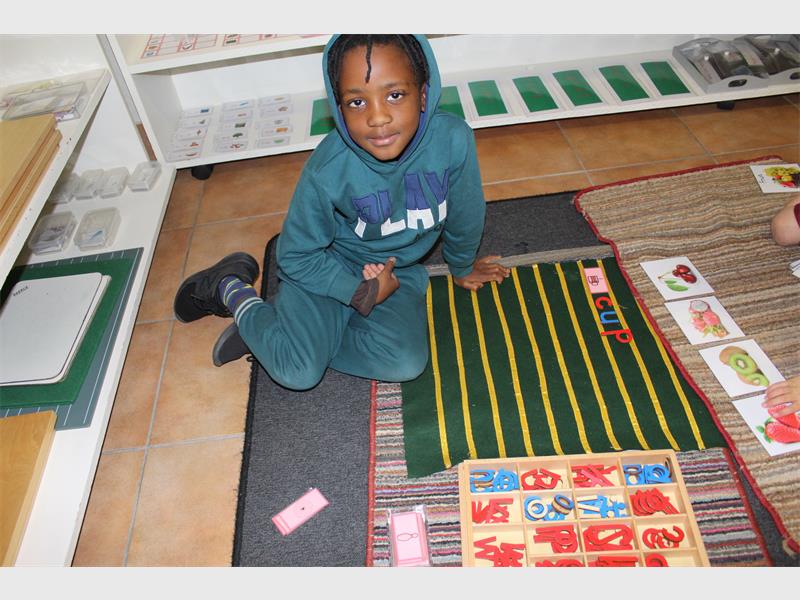
Reading can be taught in various ways and Montessori’s head of school recently spoke about creative ways of teaching children how to read.
Also read: #WeRead: Prioritise reading for this year’s Book Week and Fair
Sunita Parmar, head of Modderfontein Montessori Pre-and Primary School, said the perfect foundation will help children read perfectly.
“It is best to start with basics as early as possible.
“Start by teaching phonetics and sounds.

“Let them touch and feel letters when they can sound them,” said Sunita.
The principal broke down the best lessons to teach at different ages.
“From three years, learning the letters of their name is important.
“Once they know how to sound and spell their names properly, then you can teach them capitalisation and lower cases.
Also watch:
“From four years old, parents can introduce double letter words.”
Sunita Montessori has movable alphabet boxes in all their classrooms.
“The alphabets encourage word association and building words.”
“Five year olds should focus on building words with moveable alphabets, or they can write on paper or a whiteboard.
“From six years to 12, it is the best time to make reading fun and expose your child more to language at home.”
Most parents have hectic schedules.
When they get home from work, they have chores, homework to do with the children and other daily tasks.
“If you are cooking or baking, let your children help you by reading the recipe out to you.
“Ingredients have acronyms and metrics like litres and grams that children can learn,” said Sunita.
“Language is everywhere, allow children to read more every day so they do not get intimidated by unfamiliar words.
“Allow them the opportunity to learn the bigger words.
“Encourage older children to write their own short stories for fun.
“Combine reading and writing and correct spelling lessons.
“It does not matter how old they are, allow them to read different books,” said Sunita.
Parents and guardians are encouraged to promote extraction from their children.
“Allow children to write or draw what is on their minds.”
She said parents should not try to guess what children might have written or drawn.
“You might think they drew a house, but they actually drew a car.
“Instead of saying, ‘what a beautiful house you have drawn’, rather say, ‘tell me what you have drawn’”, said Sunita.
Mistakes parents make:
- Using baby talk.
- Only picking phonetic or easy books to read.
- Enforcing learning instead of making it fun.
- Not reading with children regularly.
- Not buying books for children.
#WeRead #ReadBecause #CaxtonCares #BuyABook