Mosquitoes, malaria and travel risks in focus at Bedfordview Probus meeting
Guest speaker at the Probus Bedfordview meeting explains how the smallest human nemesis evolved from being a plant eater to a blood sucker.
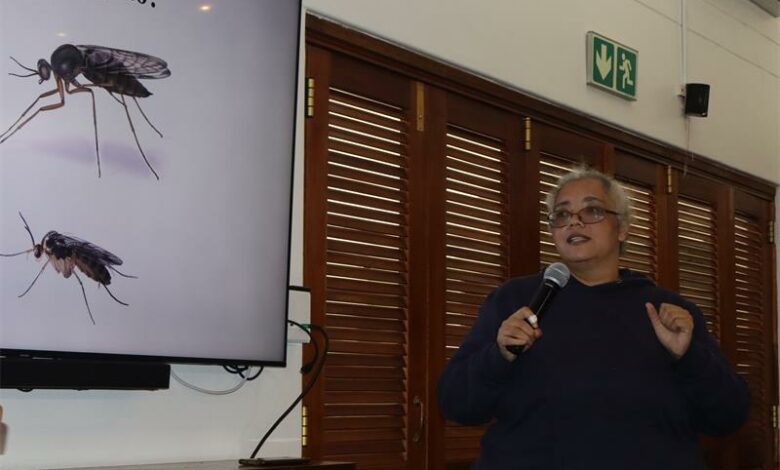
The life and times of the mosquito were the topic of discussion at the Probus Club of Bedfordview Open Meeting.
The recent meeting was conducted by Ken Girdwood.
The guest speaker was Doctor Shüné Oliver of the National Institute for Communicable Diseases (NICD).
Oliver defined the mosquito as an insect that developed a taste for human blood before we existed.
ALSO READ: Bedfordview Probus meeting focuses on hearing loss and brain health
These insects, however, had started out as plant eaters, but plants proved insufficient as a source of protein.
Female mosquitoes especially need a lot of protein to produce eggs; therefore, a blood meal provides it.
Oliver explained that smell is more important than blood type in attracting mosquitoes.
For instance, pregnant women and children are more attractive to mosquitoes because of body activity and sweat.
Most feet also smell like Limburger cheese, therefore also attracting mosquitoes.
In Gauteng, Oliver said the most common mosquito found is the Aedes species, which is not malaria-carrying.
She said the Anopheles is the one that transmits malaria after previously biting an infected host carrying the malaria parasite. She said the malaria mosquitoes are still restricted to the rural areas.
ALSO READ: Probus Bedfordview discusses role of local government
She noted, however, that human activities are forcing the mosquitoes to adapt to breeding in dirty water or heavily polluted water bodies, which wasn’t the case before.
“The more adapted they are, the easier it becomes for them to live with us,” she said.
Oliver advised potential travellers, especially those travelling to high-risk areas, to always be prepared by taking prescribed antimalarials.
The next speaker, on July 7, will be Denise Bjorkman on body language.