Edenvale ANC candidate pledges action on safety, potholes and unemployment
From burst pipes and potholes to crime and unemployment, the candidate outlines plans to address Ward 18’s challenges.
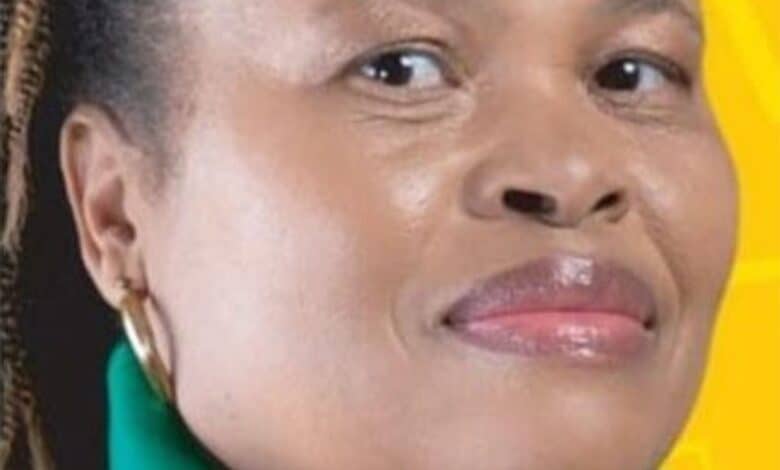
Q: What are the three biggest challenges facing your ward, and how will you address them?
A: Safety, broken basic services and unemployment. I will tackle each one practically.Safety. Too many women and families no longer feel safe in their own homes or on our streets. I will bring the police, the community police forum, neighbourhood watches, schools, churches and local businesses together in one ward safety group. I will push for streetlights to be fixed so our streets are not dark, and I will keep the fight against violence against women at the top of the list.
Broken basic services. Residents complain most about burst pipes, potholes, and faulty lights, and many of Edenvale’s water pipes are more than 50 years old. I will keep a record of every fault reported in the ward and follow each one until it is fixed. I will also push for a budget to replace the oldest pipes first.
ALSO READ: DA Ward 18 candidate Lisa Atkins shares her plans for Ward 18
Jobs. Emergency food parcels feed a household for a week; a stable job supports a family for a lifetime. I will work with local businesses and professionals to open up work experience, skills training and apprenticeships, especially for unemployed graduates and young people.
A councillor cannot do this alone. But a councillor who sits inside the party that leads the City can walk into the offices where decisions are made and keep asking, day after day, until Edenvale’s problems are dealt with.
Q: How will you improve basic service delivery such as water, electricity, refuse removal and road maintenance?
A: A ward councillor does not control the municipal budget, and I will not pretend otherwise. What a councillor can do is make sure Edenvale’s problems are recorded, put in order of priority and chased until they are fixed.
Water: faster repairs to burst pipes, with the crews and materials the Edenvale depot needs, and a plan to replace the oldest pipes, starting where bursts are worst.
Electricity: quicker response to outages and proper maintenance of the network, with every fault given a reference number so residents can follow it.
Refuse: collection on schedule every week, and quick action when a collection is missed.
Roads: a ward road list agreed with residents, so the worst roads are repaired first. The ANC’s manifesto promises a monthly “repair clock” that shows how many water, sewer and electricity faults were fixed on time, with a target of 85%. I will bring that clock to Ward 18 and report on it at my monthly ward meeting.
ALSO READ: Ward committees play key role in community participation
Q: What specific plans do you have to improve community safety and reduce crime in the ward?
A: Policing is the job of the police, but a councillor can bring everyone who can help around one table and make sure what is agreed actually happens.
A ward safety group. Within my first 100 days, I will bring together the police, the community police forum, neighbourhood watches, security companies, schools, churches and businesses. We will agree a plan, meet regularly and share the results with residents.
Light and visibility. Streetlights come first, especially on school routes, near taxi ranks and in crime hotspots. I will also ask for cameras where the police say they are needed. Women’s safety. I will make sure residents know where to get help after violence, including the police and the Thuthuzela Care Centres, and work with women’s organisations on safer routes around schools and transport.
By-laws. I will press for action against illegal liquor outlets, abandoned or hijacked buildings and illegal dumping sites, because crime grows where they are ignored.
Young people. Safer streets also need hopeful young people, which is why my plans for skills and work (question 9) are part of my safety plan.
Q: How will you ensure that residents are kept informed and involved in decisions affecting the community?
A:By being easy to find, easy to talk to and regular about it.
Meetings. I will hold my first public ward meeting within my first month, then a ward meeting every month, rotating through all four voting areas so that every neighbourhood has a meeting close to home. I will also hold a ward clinic every month where residents can raise problems with me face to face.
Reaching me. I will publish my phone number and WhatsApp number, and send a short WhatsApp update in plain language, including voice notes. I will respond to every resident who contacts me within two working days and tell them who is dealing with the problem and by when.
ALSO READ: Home Affairs extends office hours ahead of 2026 elections
Reaching everyone. Not everyone has a smartphone, so I will also use notice boards, community radio and printed notices at places like the Community Centre.
Involvement. I will build a ward committee that includes residents’ associations, complexes, churches, schools, community organisations and local business, and draw up a ward plan with them. When the municipality opens its budget or development plans for public comment, I will tell residents and help them respond.
Q: What will you do to support local businesses, informal traders and job creation in the ward?
A: I ran my own catering business for eight years, so I know what small businesses need: to be paid on time, to get permits and licences without a long wait, and to work in an area that is safe and well kept.
Small businesses. I will push for a one-stop help desk for small businesses, faster permits and licences, and prompt payment of suppliers who have done the work. I will also ask that municipal work in the ward goes to local firms wherever the rules allow.
Informal traders and spaza shops. Traders deserve safe, regulated places to trade with clean water and toilets, not a game of cat and mouse with the authorities. I will work with traders to find suitable spaces.
Jobs. I will ask local businesses and professionals to partner with me on skills programmes and work experience that turn food parcels into real jobs. The ANC’s manifesto commits to more work, training and enterprise opportunities over the next five years, with young people first in line.
Q: How will you improve conditions in informal settlements and underserved areas within the ward?
A: Edenvale has no informal settlements, so the real test in Ward 18 is how we treat the homeless people who sleep in our bushes and parks, and residents in overcrowded or neglected homes. Both are our neighbours, and both have a right to dignity, safety and basic services.
ALSO READ: Valid identity documents essential for November elections
Homeless residents. People sleeping rough in our parks and bushes are not a problem to be moved along from one corner to the next.
I will bring together the municipality’s social development officials, local churches, NGOs, clinics and neighbourhood groups to map where people are sleeping, find out who they are and what they need, and connect them to shelters, health care, ID documents, social grants and skills programmes.
I will also ask for ablution facilities and access to clean water where people sleep rough, so that dignity and public health are protected.
Parks belong to everyone. I will work with residents, the police and the municipality so that our parks and open spaces are clean, lit, maintained and safe for children and families, and so that clearing overgrown bushes is combined with real help for the people who live there, not just removal.
Overcrowded and neglected homes. Where families live in backyard rooms or neglected buildings, I will help them report unsafe conditions, register for free basic services if they qualify, and follow up with the municipality.
Free basic services. The ANC’s manifesto promises that, within 100 days, households that cannot afford to pay will be registered to receive free basic water, electricity, sanitation and refuse removal. I will help residents check that they are on the list.
Q: What is your plan to address infrastructure problems such as potholes, sewage spills, streetlights and illegal dumping?
A: I will start with a ward fix list, and I will publish it.
The fix list. In my first 100 days, I will walk each of the four voting areas with residents and the depot to list the worst potholes, faulty streetlights, sewage spills, burst pipes and dumping sites. We will put them in order of priority and publish the list, with dates.
The ANC’s manifesto commits to a repair programme in the first 100 days covering exactly these problems, in every ward.
Sewage spills are a health risk and will be reported immediately and followed up until fixed.
I will also ask what is causing repeat spills, so we fix the cause and not only the mess. Streetlights will be reported by pole number so that each one is tracked.
ALSO READ: IEC urges voters with disabilities to prepare for local elections
Illegal dumping: I will organise community clean-ups at the worst sites, press for regular collection, lighting and fencing to stop them filling up again, and for by-laws to be enforced against those who dump. Every month I will report what was fixed, what is still outstanding and why.
Q: How will you ensure municipal funds allocated to the ward are spent transparently and effectively?
A: Residents should be able to see where Edenvale’s money goes and check that it shows up on Edenvale’s streets.
A published list. The ANC’s manifesto promises that, within 100 days, every ANC-led municipality will publish a ward-by-ward list of funded projects, showing who is responsible and by when. I will take Ward 18’s list to my ward meeting and ask residents to check it with me.
Regular reporting. Every quarter, I will report what was planned, what was spent and what was finished in our ward.
Signs on site. Where a road or pipe is being repaired, I will ask for a sign showing what is being done, who is doing it and when it will be finished.
Honest conduct. I will sign the ANC’s public performance agreement and code of ethical conduct, declare my own interests, and support action against anyone, including in my own party, who steals or abuses public money. Contractors who do not deliver should not be paid again.
ALSO READ: #IMadeMyMark: 18-year-olds urged to vote in 2026 Local Government Elections
Your voice. I will tell residents when the municipality opens its budget for public comment and help them take part.
Q: What programmes or initiatives would you introduce for young people, women and vulnerable residents in the community?
A: I have organised food drives, support for vulnerable groups and youth skills workshops, so I know what works and what does not. Help that leads to dignity is what I want to build.
Young people: I will work with local businesses and professionals on work experience placements for unemployed graduates and school-leavers, help with CVs and job applications, and push for apprenticeships in trades the municipality needs, such as plumbing and electrical work. I will also push for halls, libraries and sports facilities to be open and lit, with programmes in them.
Women. I will promote women’s safety through safer routes, lighting, and clear help after violence. I will back women-owned businesses to get a fair share of municipal work and trading space. As a member of the ANC Women’s League, I will work with women’s groups in the ward.
Vulnerable residents: Older people, people with disabilities, child-headed households and the homeless must not be forgotten. I will help qualifying households to register for free basic services, push for municipal buildings to be accessible to people with disabilities, and link families to food relief while we work on jobs.
ALSO READ: IEC approves record 2.6 million special vote applications for 2026 elections
Q: If elected, how will residents be able to hold you accountable and measure your progress over the next five years?
A: By promising things you can check, and reporting on them in public. Here is what residents can hold me to:
•1. Within 100 days: my first ward meeting held, a published ward fix list with dates, repairs under way, and a ward safety group set up. The ANC’s manifesto gives councillors 100 days to show real progress, and I accept that test.
•2. Every month: a ward meeting and a ward clinic, and a report on the repair clock showing what was fixed and what was not.
•3. Every year: a written report on what I promised, what I delivered and what I did not, with reasons.
•4. Over five years: judge me by how quickly water faults are fixed, the state of our roads and streetlights, how safe you feel, how many local young people are in work or training, and whether you could reach me when you needed me. I will sign the ANC’s public performance agreement, and I will give you my number so you can tell me, and everyone else, if I am falling short. The party has said it will act against councillors who do not deliver. In 2031, you will have the final say at the ballot box.