South Africans facing growing stress and burnout pressures, warns Sadag
Exposure to ongoing trauma which is so unique to South Africa such as crime, violence and power outage disruptions, leaves people feeling emotionally overwhelmed and mentally fatigued.
South Africans are facing an extraordinary combination of pressures that are contributing to increased levels of stress, anxiety and burnout.
This is observed by the South African Depression and Anxiety Group (SADAG), whose call centre receives between 2 000 and 3 000 calls from across the country per day.
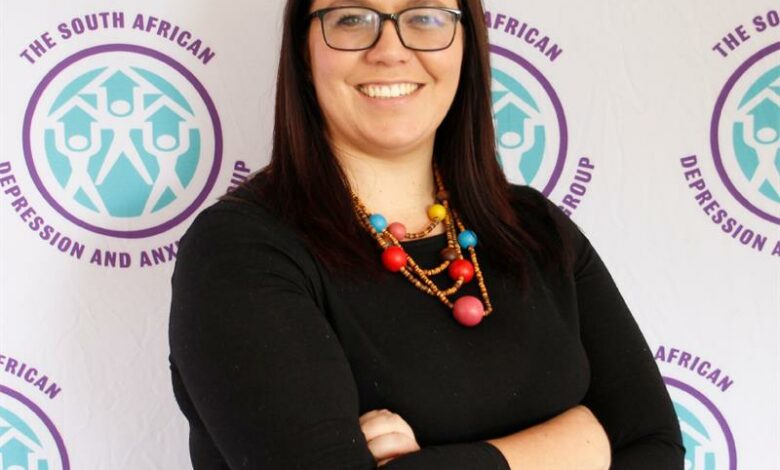
Operations director at Sadag, Cassey Chambers, noted that contributing factors such as financial strain, unemployment, rising living costs, job insecurity and workplace pressure remain among the biggest stresses and reasons they see coming in through the call centre every day.
ALSO READ: SADAG launches free depression online support group
She said many people are also experiencing emotional exhaustion from trying to balance work, caregiving responsibilities, families, relationships, parenting, and even personal well-being all at once.
“In addition, we see exposure to ongoing trauma, which is so unique to South Africa; crime, violence, power outage disruptions, community instability and uncertainty about the future, can really leave people feeling emotionally overwhelmed and mentally fatigued,” said Chambers.
She asked people, however, to note that not all stress is bad stress; there is good stress and bad stress. Good stress may include exams, a deadline at work, things which help us to perform better, to work a bit harder and brainstorm a bit harder.
“So stress is very much a normal response to pressure or a challenge, and in many cases, it can improve once the stressful situation passes.”
Burnout, however, is more severe and long-lasting, according to Chambers. It’s a total state of emotional, mental and physical exhaustion that develops over time when stress is constant and unmanaged.
ALSO READ: Sadag launches support programme for matrics
Chambers explained, “Someone experiencing burnout might feel emotionally numb, constantly exhausted, physically, spiritually and emotionally exhausted. That feeling when you take a nap and wake up tired. They often feel detached from work or loved ones. They feel unmotivated, irritable, and even hopeless.”
Some of the early warning signs that someone’s mental health may be declining
Early warning signs can include: ongoing fatigue, drastic change in sleep or appetite, difficulty concentrating so even making decisions is impaired, withdrawing from family or friends, increased irritability- short, snappy, quick to anger; feeling quite emotionally dysregulated –frequent crying, snapping, feeling overwhelmed.
People who may be dealing with too much stress or burnout may notice physical symptoms such as headaches, body tension, panic attacks, or even feeling constantly on edge.
Others may even begin using alcohol or some substances as unhealthy coping mechanisms to manage their emotional distress.
Chambers alerted, “It’s important to remember that any mental health issues do not always look dramatic, it’s not like the movies. Sometimes people who continue to show up, go to work, care for others and smile on the outside, could be silently struggling on the inside.”
ALSO READ: How to be in the right mental space this festive – SADAG
Simple daily habits to adopt
• Prioritising regular sleep, making sure to get enough sleep through a sleep routine.
• Staying physically active, and this doesn’t always mean a gym membership, but just being active at home, going for a walk outside, getting some fresh air.
• Eating balanced meals, fuelling your body with good ‘petrol’ from food, and drinking water, avoiding some caffeine, to really help your body to have all the right flows to help manage that stress.
• Taking small breaks during the day, in between meetings, taking a walk to go make coffee.
• Limiting constant exposure to the news or social media, especially distressing stuff.
• Staying connected, having those real conversations with real human connections. So speaking and touching base with supportive friends, family members, colleagues or even community groups.
• Other daily methods include deep breathing, journaling, meditation, spending time outdoors, and taking short moments to really pause and reset. These really help calm the nervous system, so our body can better regulate that negativity and heaviness.
Chambers encouraged people to give themselves permission to rest and acknowledge when they’re struggling instead of just trying to push through. Not rewarding that workplace culture of working late, pushing yourself every single day is key, she emphasised.
“Over a prolonged period, by not looking after ourselves and dealing with stress and burnout, it can also trigger more serious mental health issues such as diagnosable depression, anxiety or even post-traumatic stress disorder. It can also trigger actual physical chronic illness,” warned Chambers.
Practical strategies for people without access to therapy or professional support
• Creating structure and routine – really focusing on small achievable goals that you can do.
• Limiting unhealthy coping behaviours that you may tend to do after a hard day, such as turning to that bottle of wine, or that doom scrolling.
• Finding healthy outlets for stress, which include exercise, music and creativity.
• Speaking to other people in support groups who have been through similar situations, sharing their self-help tips and coping tools.
• Free mental health resources through Sadag’s helpline at Sadag.org.
• Organisations such as nami.org, Beyond Blue in Australia, Mind.co.uk and some South African resources such as Vimbohealth.com, an app for anxiety and panic.
ALSO READ: SA employees need more mental health support – Sadag
It’s also important to educate employees about the resources available at work, Chambers suggested. Most companies should have an employee assistance programme that provides free emotional well-being and mental health support to employees.
Chambers said, “We want to let everyone know that they are not alone, they do not have to carry their struggles in silence, in the darkness, in the shadows where they’re too scared to bring it out because of the fear of what people will think.
“It’s okay to admit that you’re struggling, to say that you’re not okay, to ask for help. It’s okay to take your mental health seriously. There is hope, there is always help and support, there are real humans helping humans, people who care.”