WATCH: Salga marks 30 years with call for stronger municipal service delivery
Salga president Bheke Stofile says reliable water, electricity, sanitation and employment opportunities must remain priorities as municipalities face mounting financial challenges.

Communities must see reliable basic services, local jobs and shared economic growth as municipalities tackle mounting financial pressures, says the South African Local Government Association (Salga).
Speaking at the organisation’s 30th anniversary celebration in Umhlanga, Durban, yesterday, Salga president Bheke Stofile reflected on three decades of democratic local government, highlighting progress in expanding access to basic services while acknowledging the challenges municipalities continue to face.
Stofile said Salga’s founding in 1996 was rooted in the belief that every community deserves a voice in decisions shaping its future.
ALSO READ: Ekurhuleni hosts national SALGA joint sitting of mayors and speakers
He said access to water, electricity, sanitation, safe streets and economic opportunities remained central to making democracy meaningful in people’s daily lives.
“Every service that reaches a community once denied it makes our democracy part of daily life,” he said.
Stofile traces three decades of municipal transformation
Stofile traced the transformation of local government from 1 262 fragmented bodies to the country’s current municipal structure of eight metropolitan municipalities, 44 district municipalities and 205 local municipalities.
He said the transition enabled communities previously governed separately to elect representatives to the same councils, debate budgets and determine how municipal resources should be allocated.
The Salga president also acknowledged former association leaders, chief executives, municipal workers and staff who contributed to building the organisation over the past 30 years.
ALSO READ: City of Ekurhuleni wins two awards from SALGA
He highlighted Salga’s role in representing municipalities in intergovernmental relations, strengthening collective bargaining and advancing local government interests nationally and internationally.
Stofile said the organisation had also strengthened its continental and international partnerships, helping advance decentralisation, municipal cooperation and local government representation through organisations such as United Cities and Local Governments of Africa.
Financial strain tests council accountability
Looking ahead, he said the gains made since 1996 in expanding access to water, electricity and sanitation must be matched by more reliable services.
He warned that rising food, electricity and transport costs, unemployment and declining household affordability were placing pressure on residents and municipal finances.
“When unemployment leaves fewer people able to pay municipal bills, councils have less to maintain the networks on which families and businesses depend,” he said.

ALSO READ: ‘Participate in municipal processes’ – SALGA
Stofile called for the revised White Paper on Local Government to guide decisions on municipal responsibilities and funding, arguing that financial resources should align with the functions municipalities are expected to perform.
He urged councils to improve billing, collect revenue owed, protect indigent households, prioritise infrastructure maintenance and address the misuse of public funds.
Addressing newly elected councillors, Stofile encouraged them to understand municipal budgets, scrutinise spending, protect professional appointments and ensure coalition agreements support service delivery and accountability.
Councils urged to stimulate local economies
He said municipalities should also play a more active role in stimulating local economies, protecting jobs and developing alternative revenue streams.
Stofile pointed to opportunities in renewable energy, agriculture, medicinal plant production, fisheries and coastal enterprises, saying municipalities and communities should be able to participate in viable projects and share in their returns.
He further called for partnerships with universities, Technical and Vocational Education and Training (TVET) colleges, cooperatives and businesses to develop skills, create employment and strengthen local economies.
ALSO READ: Ekurhuleni says municipal water is safe amid contamination concerns
As municipalities prepare for increasing climate-related challenges, he said Salga should continue supporting councils with technical expertise, investment planning and efforts to strengthen water and electricity infrastructure.
Stofile said the next council term should deliver tangible improvements, including reliable water supply, employment opportunities closer to home and communities benefiting economically from projects such as renewable energy.
He called on municipalities to prioritise communities that have waited the longest for services, set deadlines for projects and report back to residents on progress.
Stofile said the anniversary was an opportunity to honour the work of those who built Salga while renewing its commitment to communities.
He said the organisation’s vision for its 60th anniversary should be a South Africa where a child’s birthplace has less influence on the opportunities and quality of life they can expect.
Walk down memory lane
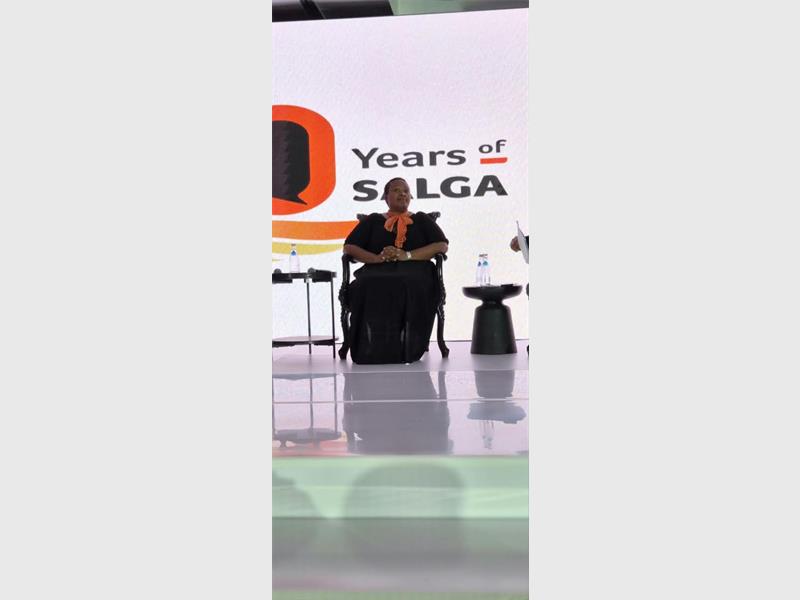
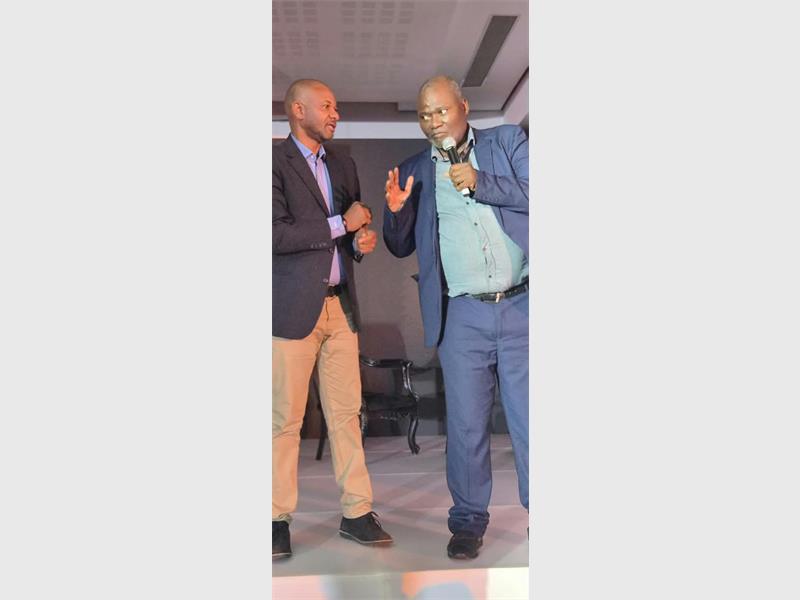
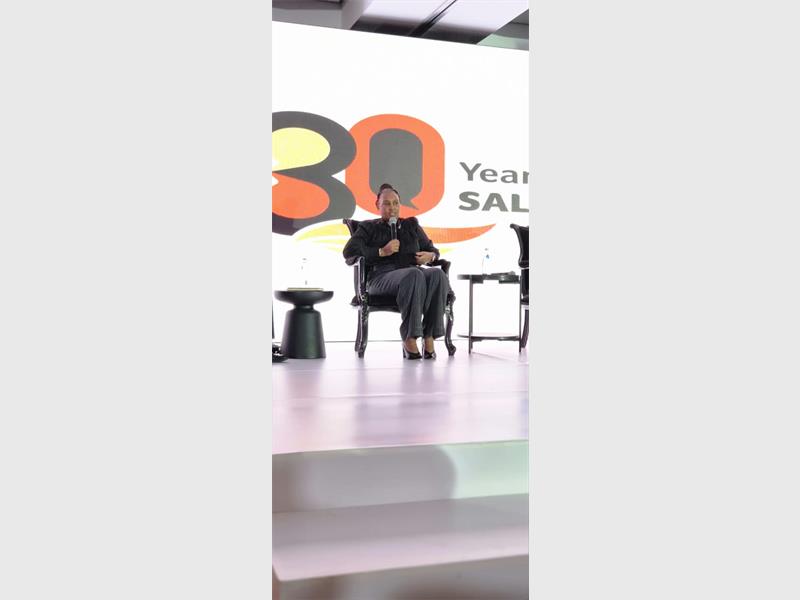
The evening also featured two panel discussions reflecting on Salga’s history and its future.
The first discussion explored the organisation’s journey over the past 30 years, with former Salga CEO Thabo Mokoena, Secretary to Parliament and former Salga CEO Xolile George, and current Salga CEO Sithole Mbanga sharing their perspectives. The discussion was facilitated by National Press Club chairperson Antoinette Slabbert.
ALSO READ: Ekurhuleni Mayoral Race: Glover to fix water, infrastructure and municipal finances
The second panel focused on the next 30 years of Salga, with editor and author Ryland Fisher facilitating a discussion featuring The Citizen political editor Eric Naki, Minister of Human Settlements Thembi Simelane and Salga NEC member and chairperson of the Water and Sanitation Working Group, Councillor Nikiwe Num.
The panel explored the future of local government, its evolving responsibilities and the priorities needed to strengthen municipalities in the decades ahead.