Gauteng urges protection of CCTV infrastructure amid rise in vandalism
The Gauteng Department of e-Government has called on residents and stakeholders to help safeguard public infrastructure following an increase in vandalism and theft targeting CCTV cameras across the province.
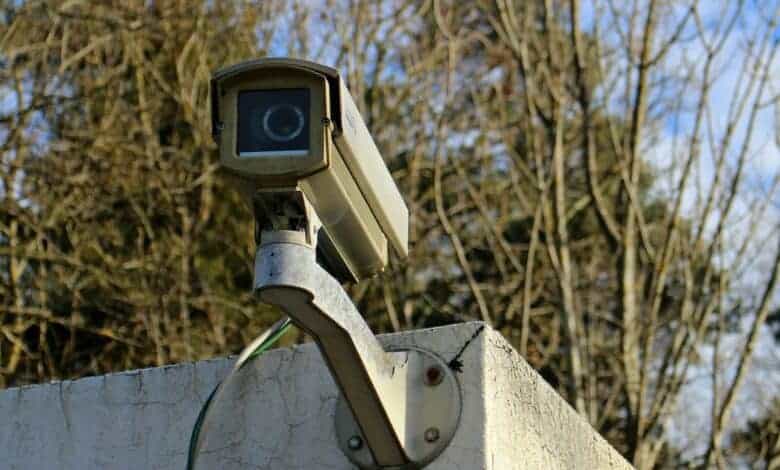
Gauteng residents have been urged to help protect public infrastructure following a rise in vandalism and theft affecting CCTV cameras across the province.
The Department of e-Government said several surveillance cameras have been damaged or stolen, leaving parts of the province with non-operational monitoring systems.
MEC for e-Government Bonginkosi Dhlamini warned that the destruction of public infrastructure undermines crime prevention efforts and weakens law enforcement capabilities.
“The Gauteng Provincial Government has invested heavily in public infrastructure to improve public safety and service delivery across the province,” said Dhlamini.
He added that vandalism not only compromises safety but also diverts funds that could otherwise be used to expand essential services.
ALSO READ: Government keeps an eye on crime with CCTVs in Joburg
“When public assets such as CCTV cameras are vandalised or stolen, it not only undermines our efforts to create safer environments for residents, but also diverts valuable resources that could have been used to expand services and invest in additional infrastructure,” he said.
The department stressed that public infrastructure is funded through public resources and is intended to benefit communities, urging residents, businesses and community organisations to work together to protect these assets.
Officials also encouraged communities to report incidents of vandalism and suspicious activity to authorities.
According to the department, the e-Policing programme relies heavily on CCTV systems to monitor crime hotspots, track criminal activity, assist in investigations and support coordinated law enforcement responses.
However, several damaged cameras have reduced the effectiveness of these systems in some areas, affecting real-time monitoring and evidence collection.
Despite these challenges, the provincial government said it would continue working with law enforcement agencies, municipalities, private partners and communities to ensure public safety infrastructure remains operational and effective.