GBV requires early intervention
South Africa faces a GBV crisis deeply rooted in childhood trauma.
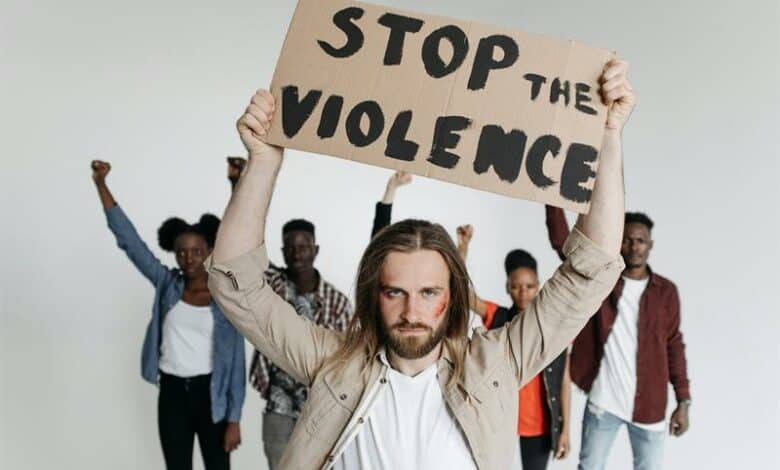
Strengthening public mental health services is crucial to breaking SA’s cycle of GBV, which often begins with exposure to intimate partner violence and abuse in childhood.
Dr Janine Brooker, a psychiatrist and South African Society of Psychiatrists (SASOP) member, said SA has one of the world’s highest GBV rates, rooted in an intergenerational cycle.
“Childhood exposure to GBV significantly increases the risk of mental health issues and becoming a victim or perpetrator of violence as an adult.
“The Human Sciences Research Council (HSRCH) recent study revealed that 74.6% of SA and 58% of women reported childhood physical abuse, with 15% of men also reporting sexual abuse.
“Moreover, 34% of women experiencing partner violence witnessed their mothers being abused, underscoring the cyclical nature of GBV.”
Brooker said during the 16 Days of Activism for No Violence against Women and Children Campaign, the South African Society of Psychiatrists called for improved mental health services for survivors and child witnesses, emphasising the urgent need to address unmet mental health needs among men.
Also Read: Survivors share their stories of GBV
She explained that entrenched gender norms discourage men from seeking help, contributing to the cycle of violence.
“Poor mental health, substance abuse and socio-economic challenges often intersect with GBV, with many male perpetrators reporting depressive symptoms, hazardous alcohol use and childhood trauma.
“GBV’s physical impacts are evident, but the mental health consequences are equally severe, with high rates of suicide attempts among victims and perpetrators.”
Brooker stressed that GBV is deeply rooted in unequal gender dynamics, traditional roles and social norms that perpetuate male dominance.
“A holistic approach is essential, addressing individual, community and societal levels.”
Brooker stressed the importance of inclusive interventions providing safe spaces for men and boys to heal, challenge harmful norms and foster respect and safety within communities.
“Communities heal as a whole,” she concluded, calling for collaborative efforts to break the cycle of GBV.
Get help
• National GBV Helpline (toll-free, 24/7): 0800 150 150;
• SA Depression & Anxiety Group (Sadag) is a resource for mental health information, support groups and other resources: https://www.sadag.org/
• Sadag 24-hour toll-free helpline: 0800 567 567 (for all mental health concerns, including suicide crisis);
• Sadag WhatsApp helpline for free online counselling (seven days a week, 08:00-17:00): 087 163 2030;
National Counselling Helpline (share call, 24/7): 0861 322 322 or chat 24/7 on Facebook @TheLifeLineSouthAfrica (crisis counselling, trauma debriefing, mental health support);
Childline South Africa: 0800 055 555;
Sonke Gender Justice: See https://genderjustice.org.za/helpline-numbers/ for more helpline numbers and a list of the locations and contact details for the countrywide network of Thuthuzela Care Centres, one-stop facilities where a rape survivor receives medical, psychosocial and legal support.
Also Read: SA must tackle GBV now