
Suspect nabbed for producing fake certificates
Following the arrest of the man believed to be generating fake certificates and selling them to spaza shop owners, officers busted a Somalian man for being in possession of a fake permit.
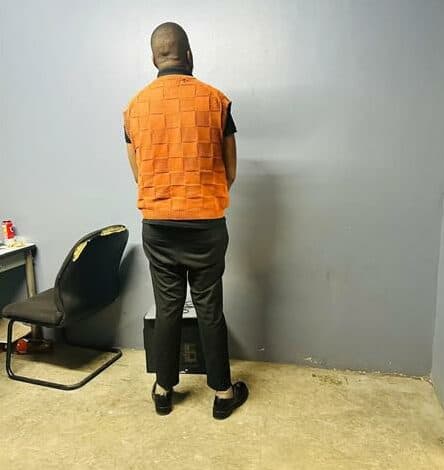
With the February deadline for spaza shops to register drawing closer, members of the EMPD have uncovered evidence of an illegal trade in fraudulent documents created to help spaza shop owners bypass the legal processes, and to probably fool inspectors.
On January 28, the team, consisting of environmental health practitioners and EMPD officers, raided an internet café after receiving information that it is producing Certificates of Acceptability resembling those that are officially issued by the municipality to local businesses.
Preliminary investigations revealed that the operator, a 30-year-old man, produced the fake certificates and sold them to shop owners for R2500. A number of these fake documents were found on the suspect’s computer.
Officers confiscated all the equipment and the suspect was arrested and detained at Tsakani Police Station.
Spaza shop operator busted for fake permit
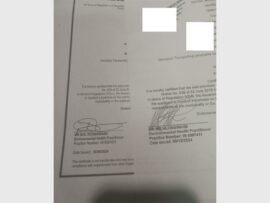
Following the recent arrest of the man believed to be generating fake certificates and selling them to spaza shop owners, EMPD members arrested a 23-year-old Somalian man on January 29 for being in possession of a fake Certificate of Accessibility in Tsakani Ext 12.
According to the metro, the arrest of the man found to be generating the fake documents sparked an operation to locate businesses trading with fraudulent documents in the area.
This led to the arrest of the Somalian spaza shop operator, who was detained at the Tsakani Police Station. He will appear in the Tsakani Magistrate’s Court soon.
“We shall continue to investigate and anyone caught with such documents will be arrested,” said acting chief of police Julius Mkhwanazi, in a statement.
A Certificate of Acceptability (COA) is a food business permit/license. It is issued to food handling premises to ensure compliance with health and safety regulations set out by the Department of Health. The COA is mandatory for legally operating a food business.
Registration deadline
The government has extended the registration deadline for spaza shops and food-handling outlets across SA to February 28 after many spaza shop owners struggled to register within the initial 21-day deadline that ended on December 18.
In response to the spate of deaths and illnesses from contaminated food reportedly bought from spaza shops and informal traders, President Cyril Ramaphosa directed last month that all spaza shops and other food-handling facilities must be registered with their respective municipalities within 21 days.
However, at a press briefing in December, Co-operative Governance and Traditional Affairs Minister Velenkosini Hlabisa said the government still needs to do more to ensure the sector is correctly regulated and adheres to health regulations.
Hlabisa said the state understands the concerns raised by some stakeholders regarding the tight registration deadline for spaza shops. He, however, pointed out that the initial deadline was set to address the urgent need to ensure compliance with health and safety standards following the tragic incidents of food-borne illnesses.
Also Read: Toxic foodstuff: Don’t tar us all with the same brush – spaza shop operators