
‘Rotten egg’ smell plagues Boksburg and Germiston residents
The stinky situation highlights the need for improvement in the city’s air monitoring systems, and in communicating the risks of poor air quality.
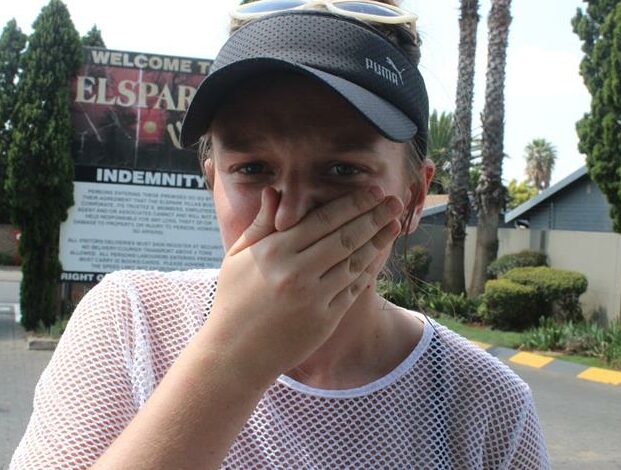
Residents are complaining about a rotten egg-like smell spreading through Elspark, Elsburg, Graceland, Cruywagen Park, Ramaphosa and surrounding areas.
When the Boksburg Advertiser visited the area on Wednesday afternoon, the team was met by a putrid stench that filled the air.
Residents of Elspark said they have suffered for many years with the foul odour, which becomes stronger in the evenings and mornings, particularly during this time of year.
Many suspect the source of the smell is one or a combination of the following: untreated wastewater leaking from sewer mains or pipes into waterways that flow into the nearby wetland, surface mining at the upstream slimes dams, or the illegal disposal of waste by local industries or waste companies dumping in the area.
‘It’s disgusting’
Andrew Mccal (63): “It’s a horrible smell everywhere, even inside the houses. At night you struggle to breathe, even with the windows closed. We have been suffering for many years with this unpleasant odour, which usually gets worse in summer.
“Initially, we thought it came from the nearby wetland, but I suspect it’s from the industrial areas or someone illegally disposing of waste somewhere.”
Johane Harmse: “Yoh, it’s not nice to live with this smell. You don’t even want to go outside, but it still comes into the house. I heard that a waste company was spotted dumping untreated waste in the vlei. It’s been like this for years and gets worse during this time of year.”
ZT Thunder: “It’s bad, bad, bad. I live in a complex near the vlei and it doesn’t smell good at all. You don’t want to live here. I believe the smell comes from the back where a lot of waste stands still, and on a hot day it stinks. There was also a big sewage spill that looked like a lake near the houses along the vlei.”
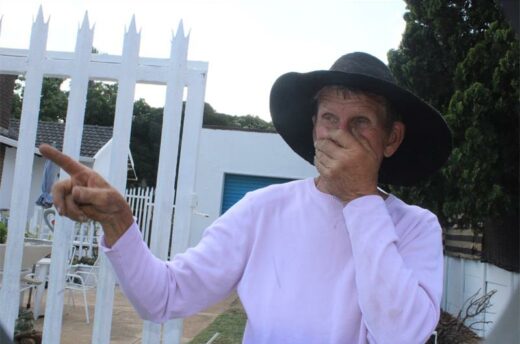
Dominique Steenkamp (66): “Our lives are a misery because of this foul stench. It’s a long-standing issue, and no one from our local authorities seems to care. We can’t breathe properly, and it’s obviously affecting our health. Sometimes it’s faint, but other times it’s overwhelming. I think it’s coming from the nearby swamp where both sewage and commercial waste are buried.”
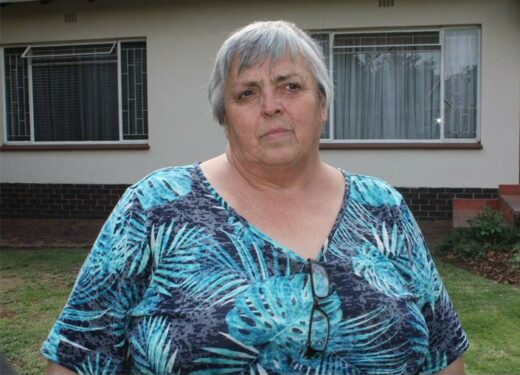
Mercia van der Merwe: “It’s a terrible smell. It’s strong in the late afternoon, and when you wake up in the morning, the whole house smells like rotten eggs.
“You leave home in the morning, and when you come back and open the car door, the smell hits you in the face. I think it’s coming from the vlei because someone is dumping something there, or it’s pollutants coming from Boksburg Lake upstream. They must please sort it out because it’s bad for our health. I’m already suffering from lung problems.”
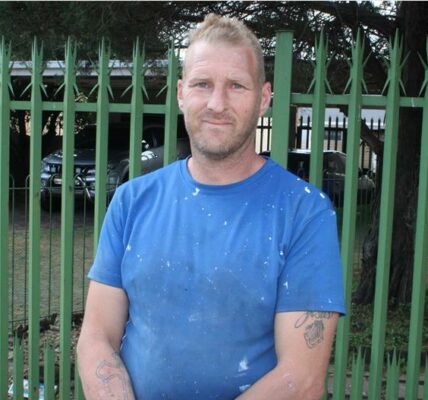
Ruan Botha: “The smell is sometimes so bad that you have to sleep with your head buried in a cushion. I suspect nearby mining activities and untreated waste from upstream flowing into the wetland are to blame.”
Poor air quality monitoring
The Boksburg branch of the Wildlife and Environment Society of South Africa (WESSA) has also weighed in, blaming the situation on government’s failure to monitor and protect the environment.
Branch chairperson Talfryn Harris said the biggest problem facing residents is identifying the source of the smell, something the metro should have detected before it caused damage to local ecosystems.
“The city has about seven air pollution monitoring stations across Ekurhuleni, but they don’t seem to have detected the origin of the smell. That’s probably because these stations are either not working properly or no one is collecting the data. It’s clear that somebody is not doing their job,” he said.
Possible culprits
Harris said the rotten egg smell is caused by hydrogen sulphide, which is commonly associated with sewage breakdown, industrial processes, mining, petrochemical refineries and coal power stations. It can also be produced by bacteria during the natural decay of vegetation, known as swamp gas.
Some residents compared the smell to chemicals or gas, while others said it was more like sewage.
Harris believes there is a chemical component in the odour, most likely caused by a combination of continuous sewage spills, illegal dumping of chemical waste by companies taking advantage of weak bylaw enforcement, and surface mining near the slimes dams.
“As WESSA, we have observed untreated sewage flowing into the vlei in Freeway Park for years. ERWAT and the metro have not fixed the broken pump station in Terhon Road and instead adopted temporary solutions.
“This vlei connects to the spruit flowing past Ramaphosa, Elsburg and Graceland, which is also extremely polluted with sewage. It’s almost certain that the vlei area and the main sewer line are producing hydrogen sulphide,” he said.
Health concerns
Harris warned that hydrogen sulphide can affect individual and community health.
“It’s deadly in high concentrations. It depresses respiration, and even at low levels it can cause burning eyes and skin rashes.
“It affects children more severely than adults, so the impact on the School of Achievement along the wetland should concern the health department.
“In the past, a general rotten egg smell over much of Gauteng was traced to the Sasol plant in Secunda and Eskom power stations in Mpumalanga. However, the current stench reported by residents is localised to Elspark, Graceland, Cruywagen Park and Ramaphosa.”
Residents in parts of Freeway Park and Sunward Park have also reported the smell, although not as severely as those living near the wetland and water streams.
“Working pollution monitoring stations would have helped identify the main sources of hydrogen sulphide pollution, as well as industries disregarding environmental laws and air quality regulations,” he added.
Possible solutions
According to Harris, bioremediation offers a low-cost solution to sewage pollution as a source of hydrogen sulphide.
“This process uses oxygen-loving (aerobic) bacteria to break down sewage sludge. In contrast, hydrogen sulphide and other sewer gases are produced by anaerobic bacteria in oxygen-poor conditions.
“Bioremediation is a cheaper way to treat sewage, but it clashes with the interests of the so-called ‘sewage mafia’ that benefits from lucrative tenders.”
Metro comments
The CoE said its teams initiated an investigation into the origin of the pungent smell, but could not detect it from an industrial source.
However, the city suspects that the hydrogen sulphite (rotten egg) smell previously detected at the Blesbok Spruit Wetlands that stretches through Wadeville industrial area towards the Elsburg and Elspark areas, could be the source.
“It could emanate from the Blesbok Spruit Wetlands due to past experiences of industrial effluent and sewer influx into the said wetland. The city remains resolute in its quest to get to the bottom of the problem with joint inventions of relevant departments,” said metro spokesperson, Zweli Dlamini.”
He added that offensive smells could possibly result in a health nuisance experienced by affected residents
Also Read: Pollution threatens Boksburg Lake’s aquatic ecosystem