Inside the struggle to end drug trade and gang violence in Reiger Park [VIDEO]
For residents, unless the intertwined root causes of gangsterism are confronted head-on, the cycle of violence will continue to put many people’s lives on the line in the area.
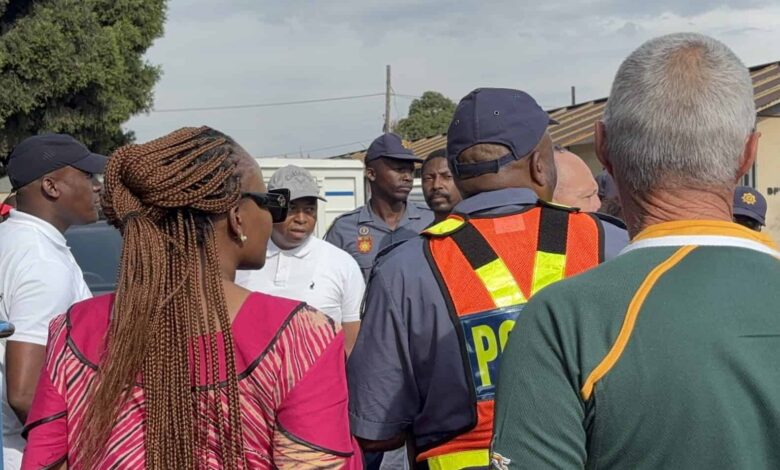
The fatal shooting of six people and the wounding of three others in Reiger Park has once again highlighted the township’s deep-rooted problems with gang violence, believed to be related to the drug trade, and ‘weak’ government interventions – issues that residents say have plagued their community for decades now.
The mass killing, reportedly connected to ongoing turf wars between rival gangs, has reignited public outrage and renewed calls for stronger policing and social interventions to tackle the root causes of crime in the troubled township.
Interviews with residents, police, and community leaders reveal how deeply entrenched challenges, including limited policing resources, corruption, economic desperation, and widespread substance abuse, have created fertile ground for criminal networks to flourish in plain sight. Those who witness crimes in their neighbourhoods are often silenced by fear.
A community living in fear
A 64-year-old resident, whose name is withheld for safety reasons, has lived in Reiger Park for more than six decades, near the area where the latest shooting occurred. He described the area as a community under siege, where gang violence and intimidation have become part of their lives.
“Drugs and fights over territory have been happening here for a long time and seem impossible to stop,” he said.
“Gangs have torn families apart and left many residents too afraid to speak out. Even children aren’t safe to play on the streets anymore. It’s become dangerous just to walk outside.”
The resident said he has personally felt the pain of gang violence.
“Years ago, I lost a brother to gangsters, and now some of those who died in this latest shooting are my relatives and family friends,” he said.
“People see what’s happening, but are too scared to talk.
Anyone who dares to speak up risks being killed or having their family threatened.
“Up the road, there was a man who was a witness in a criminal case – you want to know what happened to him? He got killed.”
The resident pointed out that several attempts to mobilise residents through public meetings, awareness campaigns and petitions have failed because the fear of gang retaliation keeps witnesses from co-operating with authorities.
System failures and corruption
The 64-year-old added that community trust in the police has all but collapsed, with many residents believing corruption within the police force allows criminals to operate with impunity.
“Many people believe some officers protect local drug dealers. We’ve seen suspects arrested and then released within days. Murder cases go cold as soon as they’re opened,” he said.
“Our police station is severely under-resourced, and there’s lack of visible policing. All of these challenges have left us feeling abandoned and trapped in the crossfire between criminals.
“I see the entire area is now under police lockdown, but we have seen this short-lived intervention many times before. After every shooting, police arrive in full force, but within weeks they disappear, and we’re left vulnerable again until the next killing.”
Calls for a holistic response
Residents say the cycle of gun violence will continue to claim more lives unless the intertwined issues of poverty, unemployment, corruption, and drug abuse are confronted head-on.
“Tackling poverty is key to addressing the roots of gangsterism and the drug trade,” said the 64-year-old.
“Most of these despondent youngsters are hooked on drugs, and you know that when you mix that with unemployment and poverty, things just get out of hand.”
Police admit resource constraints
The Reiger Park police and community leaders have acknowledged that policing challenges, coupled with residents’ fear of victimisation, have made efforts to stamp out drug trade and to dismantle criminal networks that continue to exploit vulnerable communities difficult.
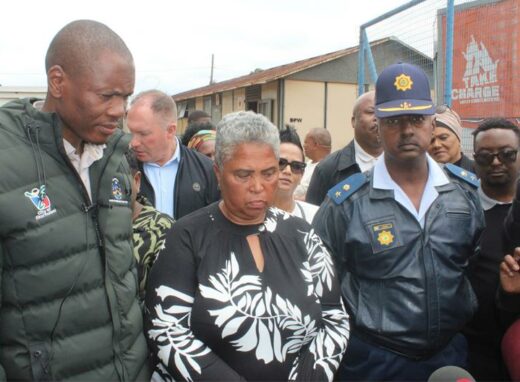
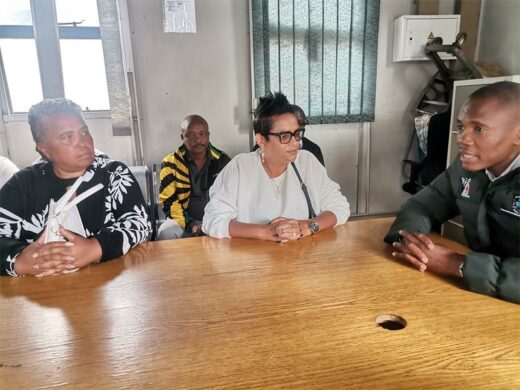
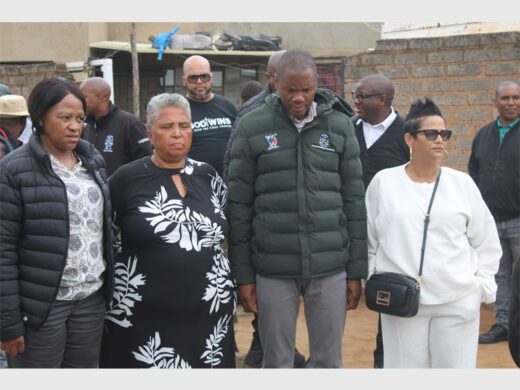
Acting Mayor Jongizizwe Dlabathi, ward councillor Edith Klassen and Reiger Park SAPS station commander Lieutenant-Colonel Lionel Chetty address members of the media ahead of their visit to the families of the victims.Reiger Park SAPS station commander Lieutenant-Colonel Lionel Chetty revealed the local station currently has only two operational vans (one for crime prevention and one for sector patrols) to cover the entire precinct.
He noted, however, that from time to time they receive support from specialised units, including the Anti-Gang Unit and Public Order Policing.
Chetty said when he joined the station last year, he immediately raised concerns about capacity.
“Fortunately, the national commissioner, Fannie Masemola, has now promised to look into upgrading the station, and he has committed to providing more vehicles. Departments like social development also need to step in to address the root causes.”
He urged residents to come forward with information on crime and police misconduct, assuring them that witness protection measures are available.
Ekurhuleni metro leadership responds
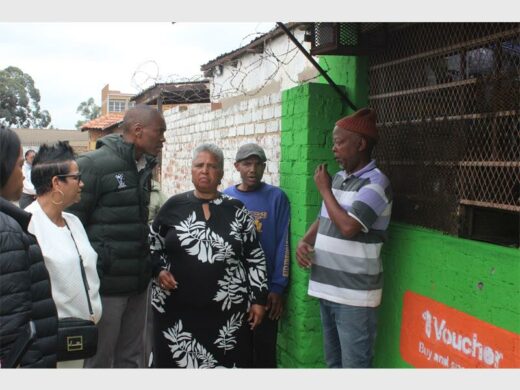
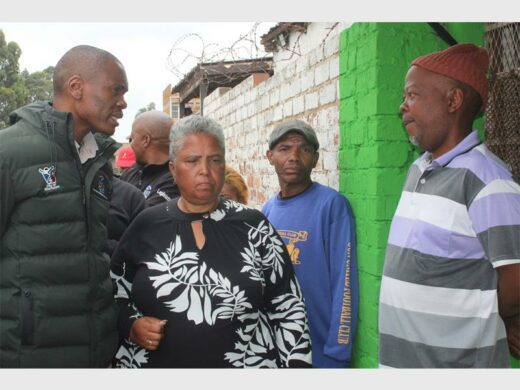
In the wake of the mass killing, acting Mayor Jongizizwe Dlabathi, MMC for Community Safety Sizakele Masuku, ward councillor Edith Klassen, and Patriotic Alliance representative Sheila Peters visited Reiger Park to comfort the bereaved families and show solidarity with the community.
Dlabathi called for decisive action to tackle the root causes of gangsterism and strengthen law enforcement visibility, particularly in known hotspots.
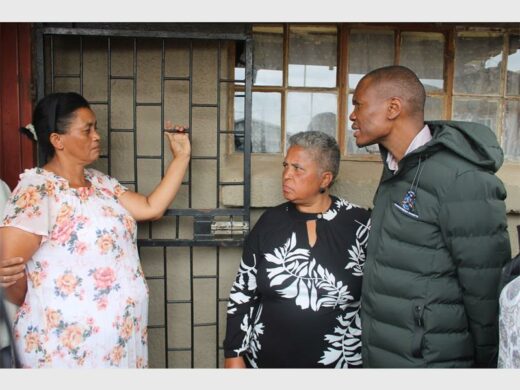
He also acknowledged the growing community distrust in authorities and urged collective action to combat the drug trade and the alleged corruption within the police.
“Fighting crime isn’t only police’s job, the community must also get involved by acting as eyes and ears for the police. Society must assist in reducing the demand for drugs, because where there’s demand, gangs will always be fighting for control,” said Dlabathi.
Gallery