
Portion distortion is creating a weighty problem
South African’s eating habits tip the scales to us becoming one of the most obese populations in the world, but National Nutrition Week 2014 has some simple tips that it hopes will help arrest rising obesity levels and provide people with an easy tool to switch to a healthier lifestyle.
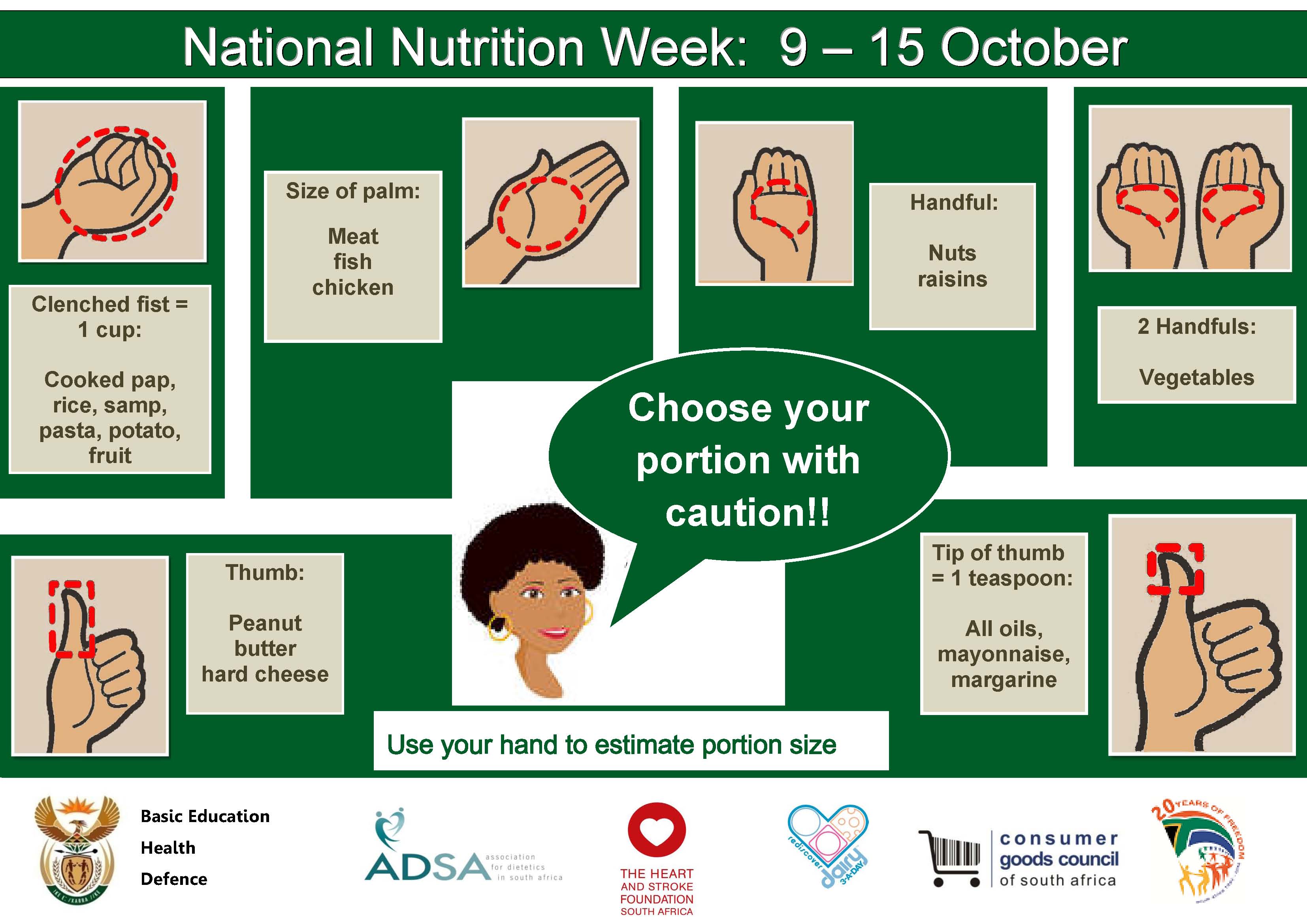
Controlling portion size is an effective, simple, reliable and sustainable way of losing and maintaining a healthy weight – and it works whether people are eating out or eating at home.
“Portion distortion is a major culprit in South Africa’s growing obesity crisis,” said Lynn Moeng, Chief-Director: Health Promotion, Nutrition and Oral Health at the Department of Health.
“We’re supersizing into a massive health emergency.”
“Many pre-packaged snacks and treats are larger than the recommended daily allowance, people are eating out more and taking advantage of the perceived added-value options of upsized fast-food orders and they’re exercising less.
“All of this adds up to people literally eating their way to a multitude of serious obesity related health problems including heart disease, diabetes and some cancers.”
National Nutrition Week 2014; a joint initiative by the Department of Health, The Association for Dietetics in South Africa (ADSA), the Consumer Goods Council of South Africa (CGCSA), the Heart and Stroke Foundation SA and the Consumer Education Project of Milk SA (CEP); will run from 9 to 15 October.
This year’s message is simple: Choose your portion with caution.
Knowing how much to eat, as well as knowing what the basic food groups are and understanding what foods should be avoided could save lives.
It is with this in mind that National Nutrition Week is providing some simple tips to assist with portion control:
* Don’t put platters of food on the table – dish up the right size portions before sitting down and avoid going for second helping
* Stick to regular meal times – breakfast, lunch and dinner;
* Eat until satisfied – not until full;
* Say ‘no’ to the temptation of upsizing fast food meals so you don’t feel obliged to overeat;
* Try to include a variety of nutritious foods from the different food groups at every meal, i.e. starchy foods (preferably unrefined), fruit and vegetables, lean protein, dairy and dry beans and soya; and
* Cut back significantly on salt, sugar, sweetened foods and drinks. Drink plenty of clean, safe water.
“Many people may be unaware that they’re over-eating so it’s imperative that we spread the message about the importance of portion control and that we give people practical solutions” said Yolandé van der Riet from the Food Safety Initiative (FSI) division at the CGCSA.
“Obesity increases one’s risk of developing high blood pressure, strokes, diabetes, heart disease and certain cancers,” said Dr Vash Mungal-Singh, CEO of the Heart and Stroke Foundation SA.
“Creating awareness about the importance of portion control from a health perspective is critical – and that includes helping communities not only make the right choices about how much they’re eating, but also about what they’re eating.
“Cutting back on salt, sugar and unhealthy fats and increasing intakes of a variety of fresh fruit and vegetables, lean protein and wholegrain or high fibre starches in the diet is an important national health message.”
National Nutrition Week also suggests this easy to apply guideline for measuring portion sizes for adults:
* Starchy foods such as pap, rice, samp, pasta and potato – a clenched fist
* Protein such as lean meat, fish and chicken – the size of a palm
* Vegetables – two open handfuls
* Cooked beans, split peas, lentils, nuts – one open handful
* Oils, soft margarine and mayonnaise – one thumb tip
* Peanut butter and hard cheese – the length of a thumb
“We need to get back to basics,” said ADSA president, Claire Julsing Strydom.
“People are experiencing information overload when it comes to dietary choices – fashionable foods and enticing restaurant advertising and they need everyday practical tools to make appropriate food choices and take back control of their health.”
The CEP’s Maretha Vermaak suggested some simple tips for effective portion control, such as using smaller plates, adhering to regular mealtimes, preparing your own healthy snacks and lunch for school or work such as fruit, vegetable sticks, yoghurt and raw nuts and make sure you are eating only when hungry, not when you are distracted, bored or stressed.