
Delays to expect when building a home
From plan approval to the weather, RE/MAX shares possible delays that can happen while building a new home.
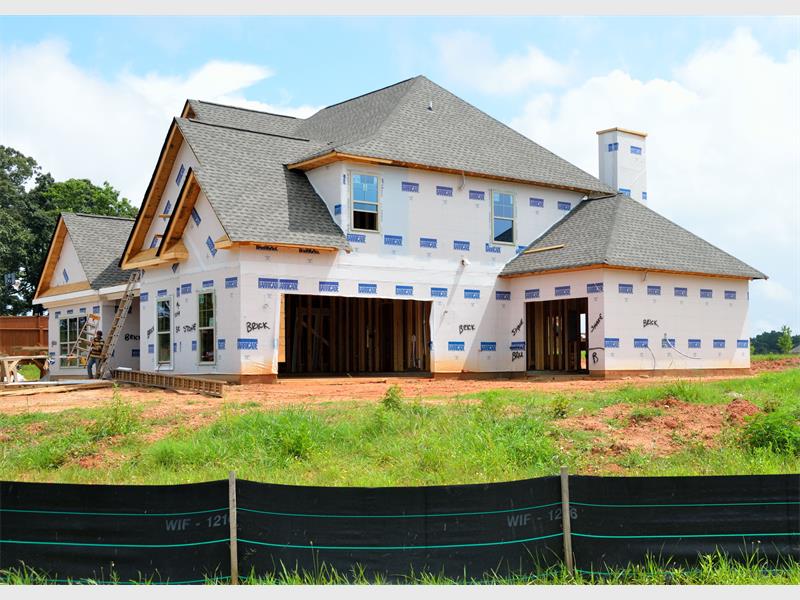
Reality TV has created misleading perceptions about how long it takes to build a home.
Homeowners need to know that it takes much longer than the few days or weeks that many reality shows portray.
Most builds take at least six months, depending on how ambitious the plans are and how many unexpected issues arise.
Regional director and CEO of RE/MAX of Southern Africa, Adrian Goslett, explains that the key to building your home quickly and efficiently comes down to being well-prepared before starting the project.
“This means doing your homework. Some key aspects could set you back if you haven’t considered them before tackling the project. For starters, delays often start when submitting the building plans to your local council.
“Depending on which local authority you submit them to, and their backlog of plans awaiting approval, you can expect to wait for anything from two to eight weeks after submission. So you want to ensure that the plans have the best chance of approval the first time around by getting a professional, experienced architect to assist you.”
Goslett also highlights the importance of partnering with reputable contractors, as their work ethic and quality checks can make or break your timelines.
The size of the building, the complexity of its design, the materials you plan to use, and how readily available they are (import delays can pop up unexpectedly) all affect how long it takes to complete a build.
“Running out of funds is one of the most common reasons for unnecessary delays,” says Goslett.
To prevent this, Goslett emphasised the importance of factoring in all the costs (including the cost of the land, the home’s finishes, professional fees, water and electrical connections, municipal rates, and additional costs, such as the cost of renting while you build) to ensure you don’t have to hit pause mid-build while you save up the money to afford the rest of the build.
“It is also important to choose a time of year when you’re likely to have the least rain and more dry days, as weather can play a big role in the building schedule.
“Many construction companies and building suppliers might close for the festive season, so try to time your build before or after December. To avoid upsetting the neighbours, only tackle noisy or messy construction work between 08:00 and 17:00 on weekdays,” says Goslett.
“Delays might also occur if you suddenly require alterations or adaptations to your plans mid-build. This may or may not require you to resubmit plans for approval, which could lead to long waiting periods,” he warns.
Many things, expected and unexpected, can push back the timelines on your build. However, Goslett advises that knowing about these factors can help you avoid them or prepare contingency plans.
“While some delays are avoidable, others will have to be worked through as they arise.”